
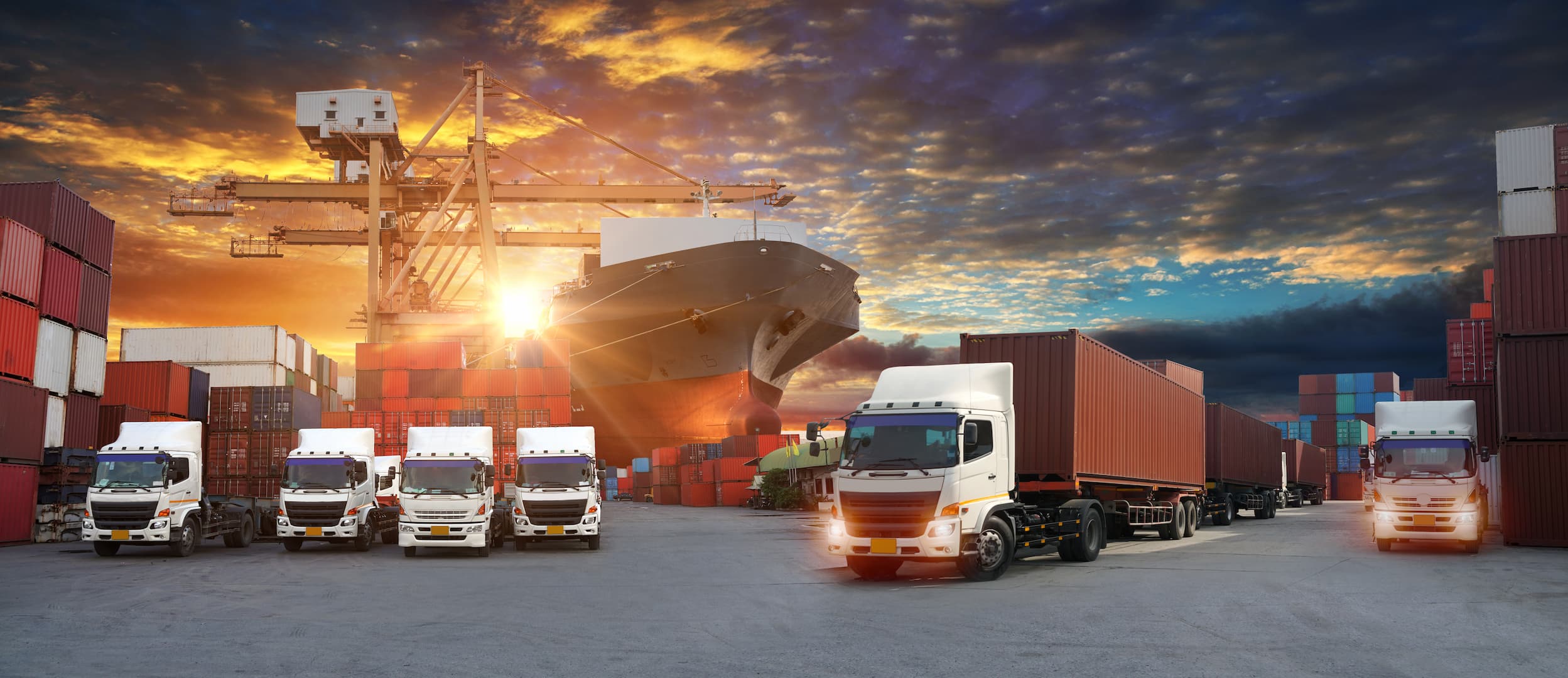
What is Drayage Trucking?
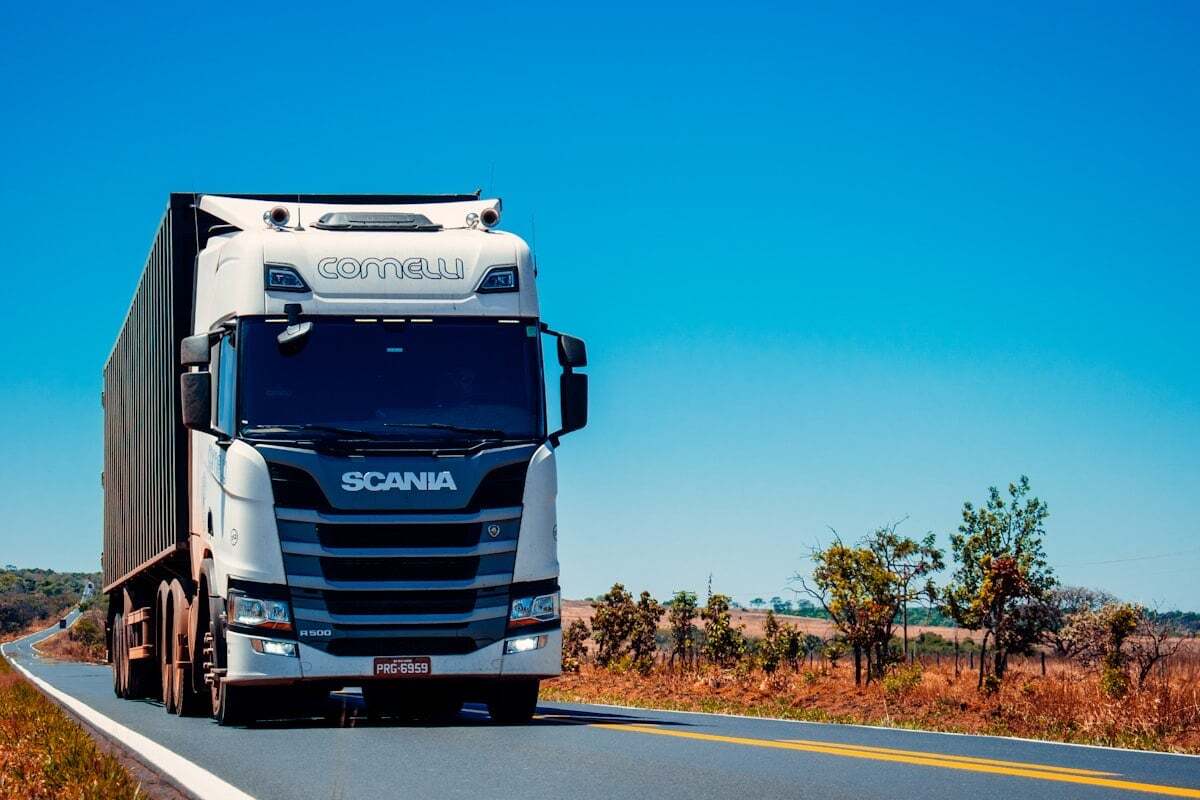
Drayage is a specialized form of logistics that involves transporting goods over short distances, typically as part of a longer journey involving multiple modes of transportation. Drayage trucking specifically refers to the use of road vehicles—often trucks—to move freight from ports, rail terminals, or warehouses to the next leg of its journey. This service is crucial in linking different transportation methods, such as moving goods from a ship to a rail car or from a warehouse to a retail outlet.
Drayage Services
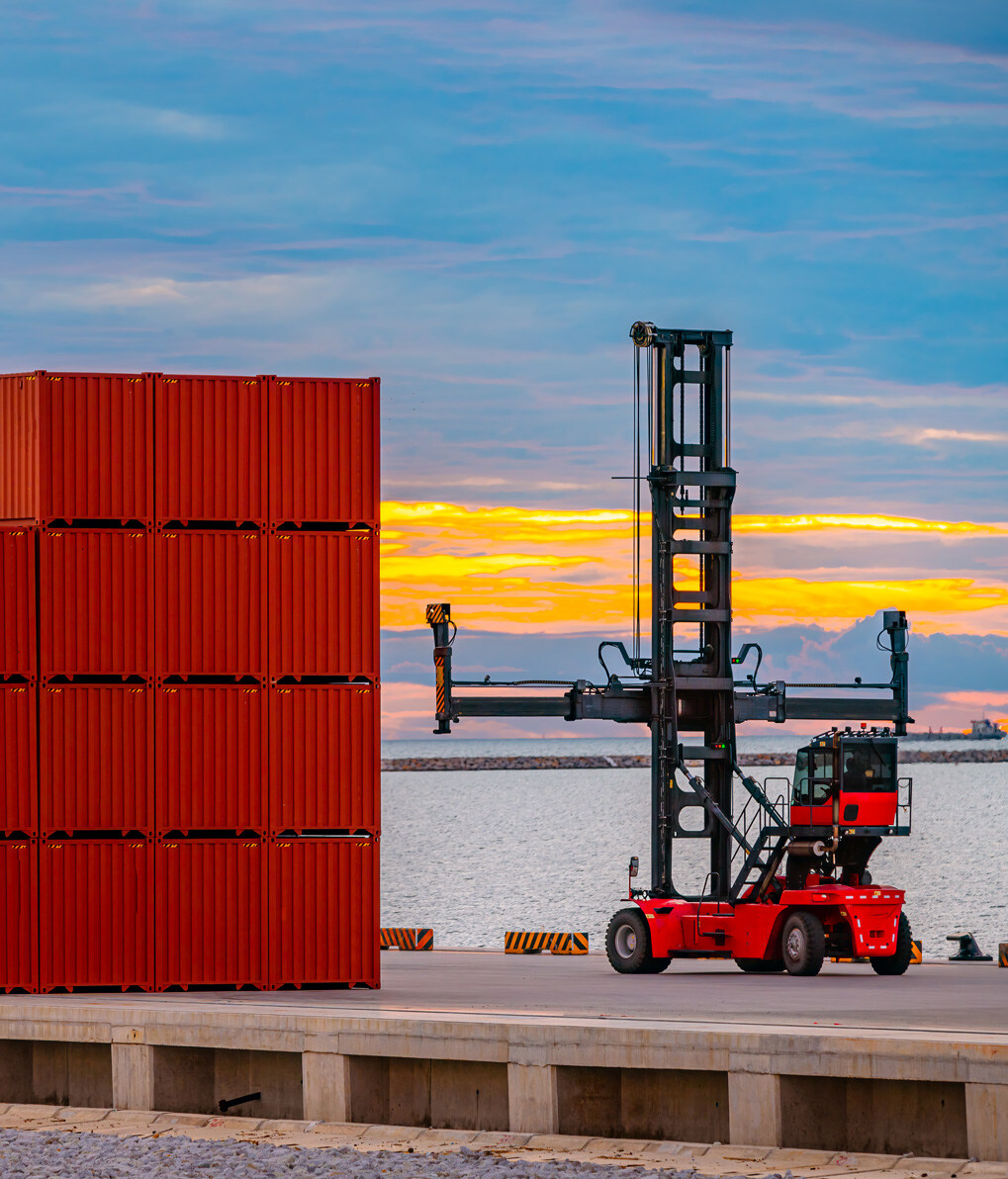
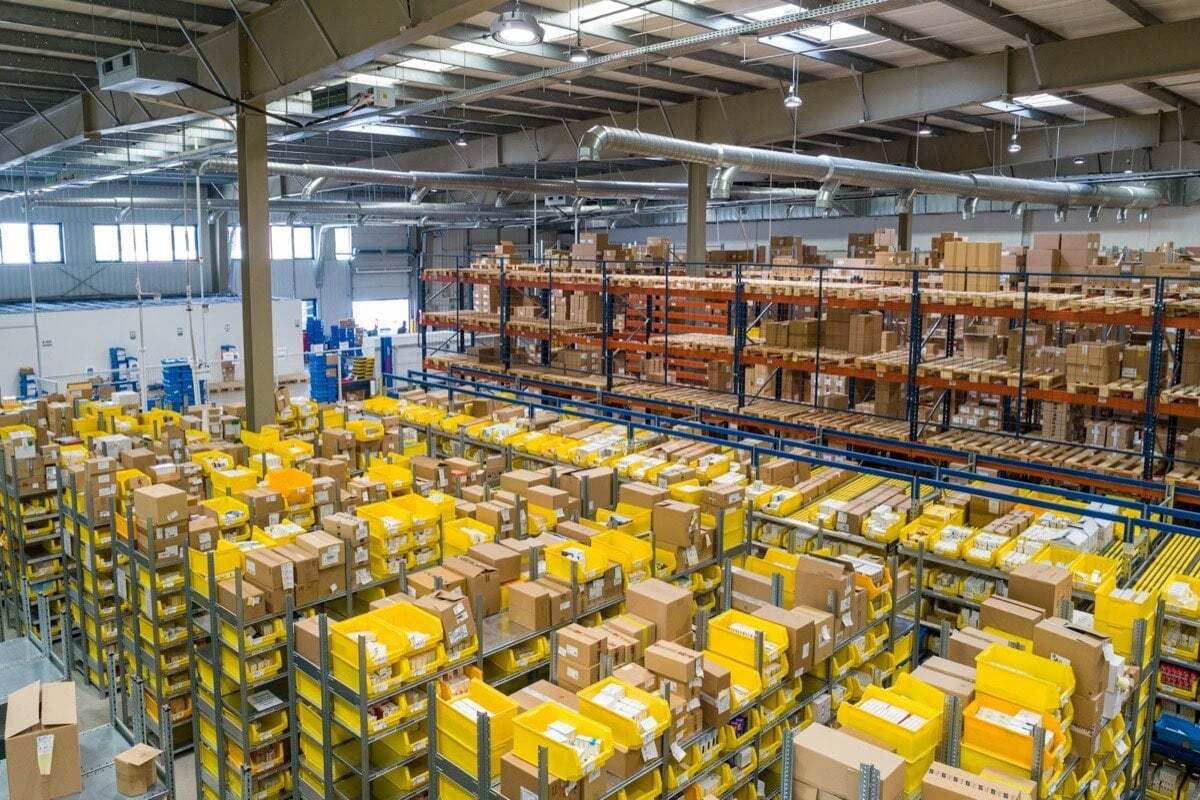
Drayage services include a variety of specific tasks such as loading and unloading containers, temporary storage, and the actual transport of goods over short distances. These services are essential for managing and coordinating the logistics at transportation hubs where goods need to be swiftly transferred from one mode of transport to another.
Intermodal Drayage
Intermodal drayage refers to the movement of containers that will be transported by multiple modes, such as from a ship to a rail car or from a rail car to a truck. This type of drayage is a critical component of intermodal transportation, allowing for efficient transitions between different transportation methods without unloading the cargo from its container. It reduces handling costs, improves shipping times, and decreases the risk of damage to the cargo during transport.
Why is it so Important?
Drayage plays a vital role in the logistics and transportation industry due to its efficiency and cost-effectiveness. Here are some reasons why drayage is indispensable:
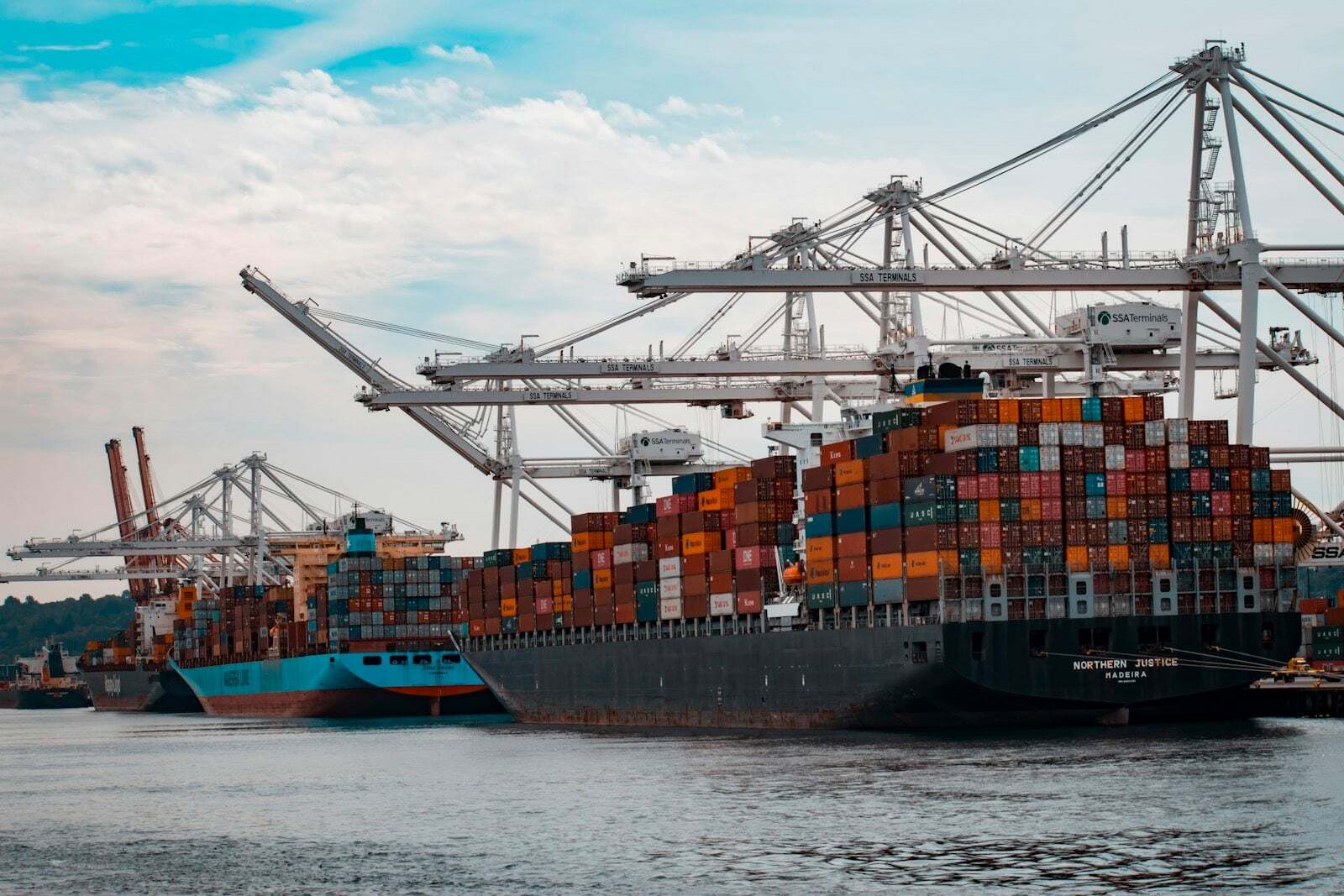
- Efficiency in Port Operations: Drayage helps to quickly move containers out of the port, reducing congestion and storage fees.
- Seamless Connection Between Modes: By providing a link between different transportation methods, drayage ensures that the global supply chain functions smoothly and that goods move efficiently from origin to destination.
- Flexibility: Drayage offers logistics managers flexibility in routing and handling cargo, accommodating last-minute changes in shipping methods or destinations.
- Cost Savings: Efficient drayage reduces overall transportation costs by minimizing the distance freight is carried overland, thus lowering fuel costs and wear and tear on vehicles.
Key Types of Drayage
- Port Drayage: Moving cargo from a port to a warehouse or rail ramp.
- Rail Drayage: Transferring cargo between a rail station and a nearby location.
- Container Drayage: Specifically involves the transport of containerized cargo.
- 3PL Drayage: Managed by third-party logistics providers who coordinate the drayage as part of broader supply chain management services.
Drayage is a critical link within the supply chain, offering essential services that keep goods moving efficiently. Whether it's managing the short haul of cargo from a ship to a warehouse or from a rail terminal to the final delivery point, drayage providers play a pivotal role in ensuring that the transitions between different transport modes are as seamless as possible. Understanding the different aspects of drayage helps businesses optimize their logistics strategies, ultimately leading to better service and cost efficiencies.
Interworld Freight cargo services

Ready to price your shipment?
