
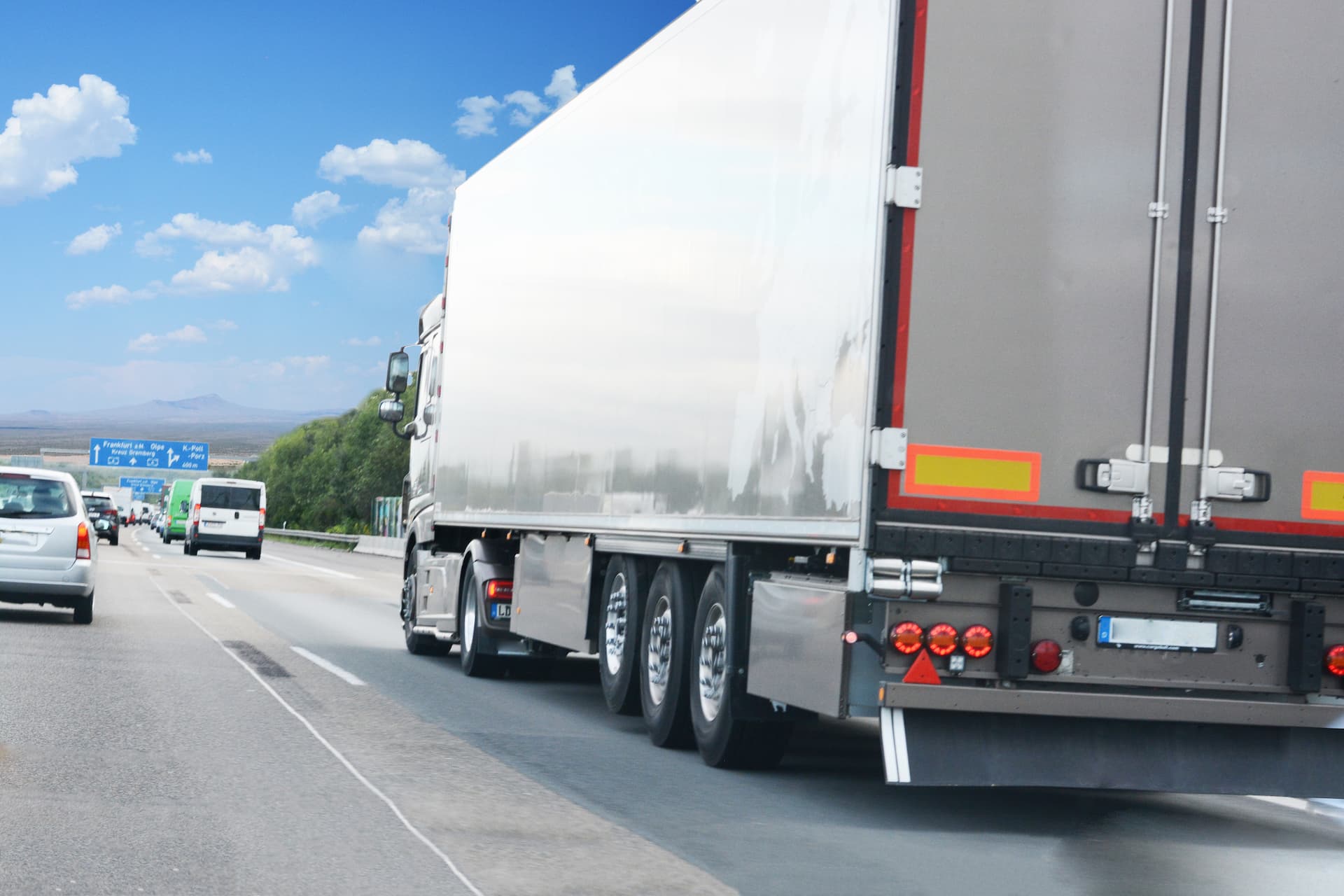
What is a Dry Van Trailer?
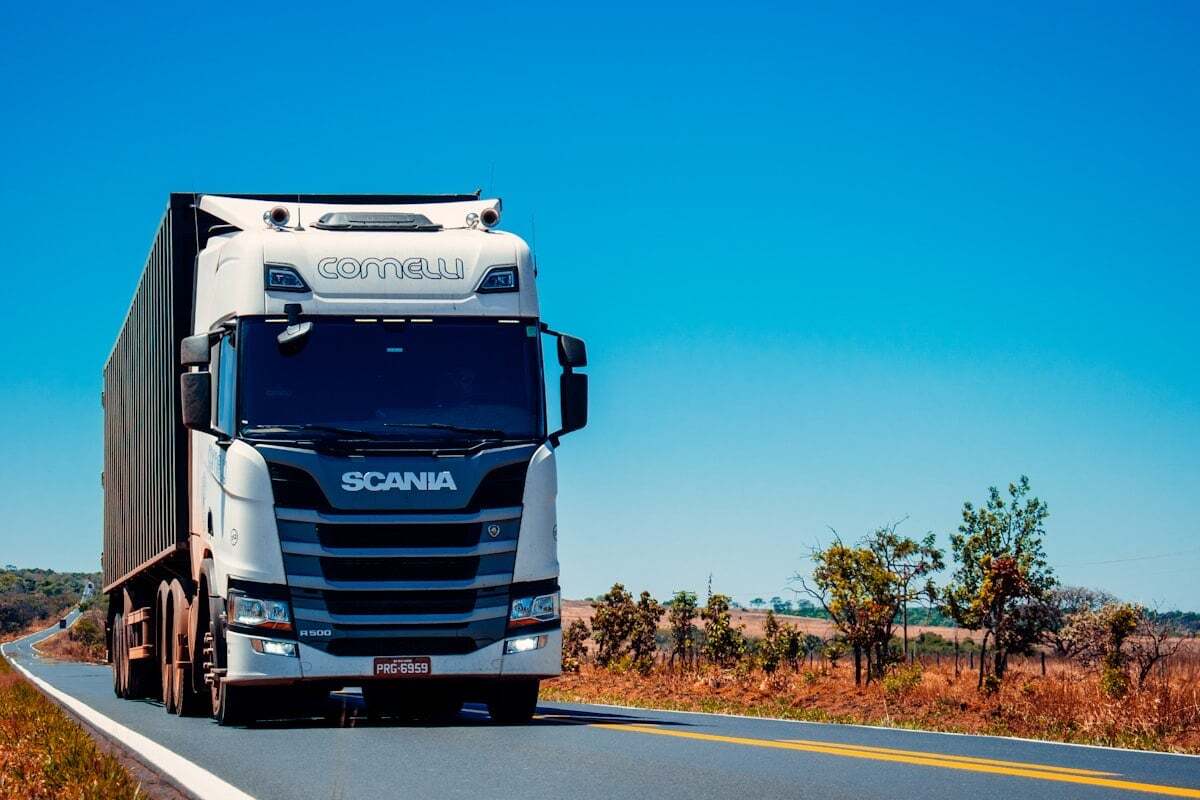
A dry van trailer is an enclosed, non-climate-controlled trailer designed for the transportation of dry goods that do not require temperature regulation. It is one of the most commonly used trailers in the van trucking industry for general-purpose shipping. The dry van trailer protects goods from external elements like weather, dirt, and theft, making it ideal for a variety of freight types. Unlike flatbeds or refrigerated trailers, dry vans are fully enclosed, ensuring secure transport of goods.
Types of Dry Van Freight
Dry van freight refers to non-perishable goods that do not require special handling, climate control, or protection from extreme temperatures. Common examples include:
- Consumer Goods: Electronics, clothing, furniture, and household items.
- Manufactured Products: Auto parts, machinery, and building materials.
- Dry Food Products: Canned or packaged food items that do not require refrigeration.
Common Dry Van Freight
- Retail Products: Clothing, electronics, and household goods.
- Paper Products: Cardboard, paper rolls, and office supplies.
- Non-Perishable Foods: Packaged or dry goods that can withstand normal temperatures.
Truckload Dry Van vs. Less-Than-Truckload (LTL)
In truckload dry van shipping, the entire trailer is used for a single shipment, maximizing capacity and ensuring the cargo is shipped directly to its destination. Less-Than-Truckload (LTL) refers to shipments that share trailer space with other freight, offering a cost-effective solution for smaller loads. While truckload shipping is faster and more direct, LTL shipments are more economical for smaller or partial loads but may involve multiple stops.
Benefits of Using Dry Van Trailers
- Versatility: Dry vans can transport a wide range of goods, making them a flexible option for many industries.
- Protection: The enclosed design protects freight from the weather, road debris, and theft.
- Cost-Effective: Dry van shipping tends to be more affordable than specialized trailers, such as refrigerated or flatbed trailers.
Cost Considerations in Dry Van Shipping
Several factors affect dry van shipping rates, including:
- Distance: Longer distances typically result in higher shipping costs.
- Freight Volume: The more space your freight takes up, the higher the cost.
- Weight: Heavier freight may lead to increased fuel consumption and higher rates.
- Fuel Prices: Fluctuating fuel prices can influence shipping costs.
Dry Van Shipping Rates
Dry van shipping rates vary based on the type of shipment, the distance between the pickup and delivery locations, and the weight or volume of the goods being transported. It's essential to obtain a dry van quote that includes all fees to ensure there are no hidden charges.
How to Get a Dry Van Quote
To get an accurate dry van quote, you need to provide details such as the type of freight, weight, dimensions, pickup and delivery locations, and any special handling requirements. Many logistics companies offer online tools to quickly generate a quote based on this information.
Choosing the Right Dry Van Carrier
Selecting a reliable dry van carrier ensures your goods are delivered safely and on time. Look for carriers with a strong reputation for van trucking services and experience handling your specific type of freight.
Selecting a Truckload Dry Van Carrier
When selecting a truckload dry van carrier, consider factors such as fleet size, geographic coverage, on-time delivery performance, and customer service. It's also essential to ensure the carrier is experienced in handling full truckload shipments to optimize efficiency.
Evaluating Dry Van Shipping Services
Evaluate the services offered by various carriers to find one that meets your needs. Check for factors such as insurance coverage, real-time tracking, and customizable shipping options to ensure a smooth process.
Frequently Asked Questions (FAQs)
What is the Maximum Load Capacity of a Dry Van Trailer?
The maximum load capacity of a standard dry van trailer is typically around 45,000 pounds and 53 feet in length. However, the weight and volume capacity can vary depending on the specific dimensions of the trailer and the type of goods being transported. A 53-foot trailer holds 26 standard 48 x 40 inch pallets, and the 80,000-pound federal gross vehicle weight limit on U.S. interstates caps the payload once tractor and trailer weight are counted.
How Do Dry Van Rates Compare to Refrigerated Freight?
Dry van rates are generally lower than refrigerated freight because refrigerated trailers (also known as reefers) require temperature control and specialized equipment, which increases operational costs. Dry freight shipping does not involve additional refrigeration or climate control, making it more cost-effective for shipping non-perishable goods. A reefer unit runs on its own diesel engine, so fuel, unit maintenance and temperature monitoring are added to the line-haul rate, costs a dry van does not carry.
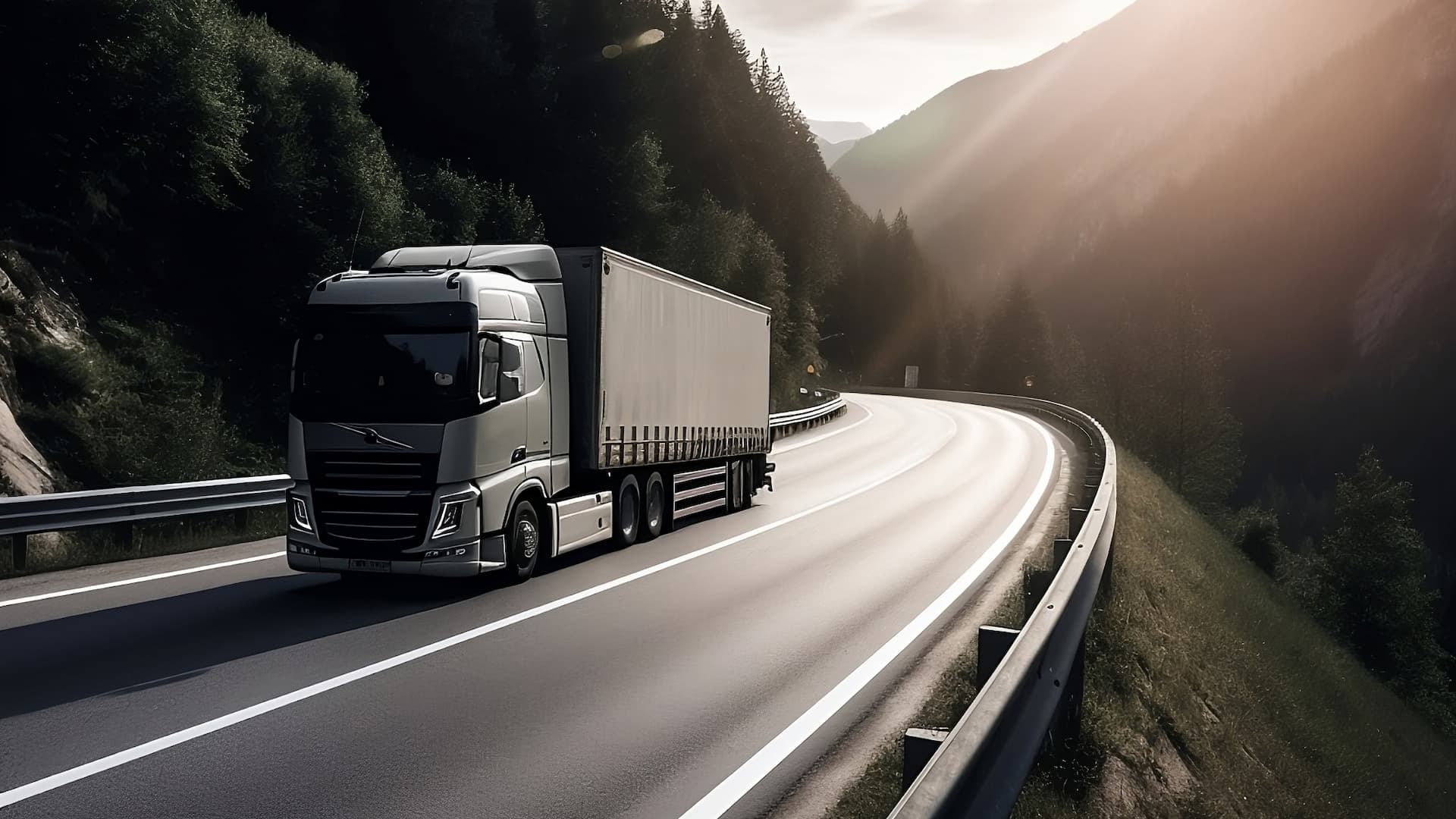
Interworld Freight cargo services

Ready to price your shipment?
