
4PL Logistics Services & Solutions Providers




4PL logistics services: what 4PL is and how it works
4PL, or Fourth-Party Logistics, goes beyond traditional logistics outsourcing. Unlike 3PL providers that focus on execution (transportation, warehousing, fulfillment), a 4PL logistics partner like Interwf takes full responsibility for planning, coordination and optimization across all supply chain functions.
We act as a single strategic partner managing your 3PLs, carriers and suppliers. 4PL providers oversee the entire supply chain, integrating systems, optimizing processes and offering data-driven visibility.
Interwf combines both models, offering operational efficiency and strategic management under one framework, and supports international expansion through customs expertise, network design and global distribution capabilities.

Contracts, integrations and KPIs in a 4PL program
Engagement models 3
Systems we connect 4
KPIs we track 5
Our 4PL services & contract logistics capabilities
Strategic supply chain design
Operational management (integrated 3PL/4PL)
Inventory & order management
Control tower & visibility
Peak-season capacity planning
Freight forwarding expertise
3PL vs 4PL: key differences

Not sure which 4PL model fits?
4PL contracts & engagement models
Full 4PL contract
Hybrid 3PL + 4PL model
Modular contract logistics
Industries that gain most from 4PL
Manufacturing
Retail
Automotive
Pharmaceuticals
Ecommerce
Startups & mid-sized companies
How a 4PL implementation works
Discovery
System integration
Partner alignment
Go-live
Delivered & tracked

Benefits of choosing Interwf as your 4PL provider
Centralized management
Lower operational costs
Faster response
Analytics & forecasting
International coordination
Secure data connections
More than 30 years moving cargo worldwide
Interworld Freight has moved cargo since 1992 with 350+ people and its own offices in the USA, Panama, the Dominican Republic and the Bahamas. It is a founding member of the World Cargo Alliance, IATA accredited, CTPAT certified and WCAworld Best Partner 2022. From first-mile pickup to final delivery we coordinate every detail of your freight journey, with plans tailored to your route, product type and timeline, whether you move high-value electronics or temperature-sensitive goods.

World Cargo Alliance
Founding member of the allianceWCAworld Best Partner 2022
North America award
IATA accredited
Cargo agent accredited by the International Air Transport Association
CTPAT certified
U.S. CBP supply chain security programReady to hand your supply chain to one strategic partner?
Execution under the same roof

4PL supply chain management

4PL warehousing
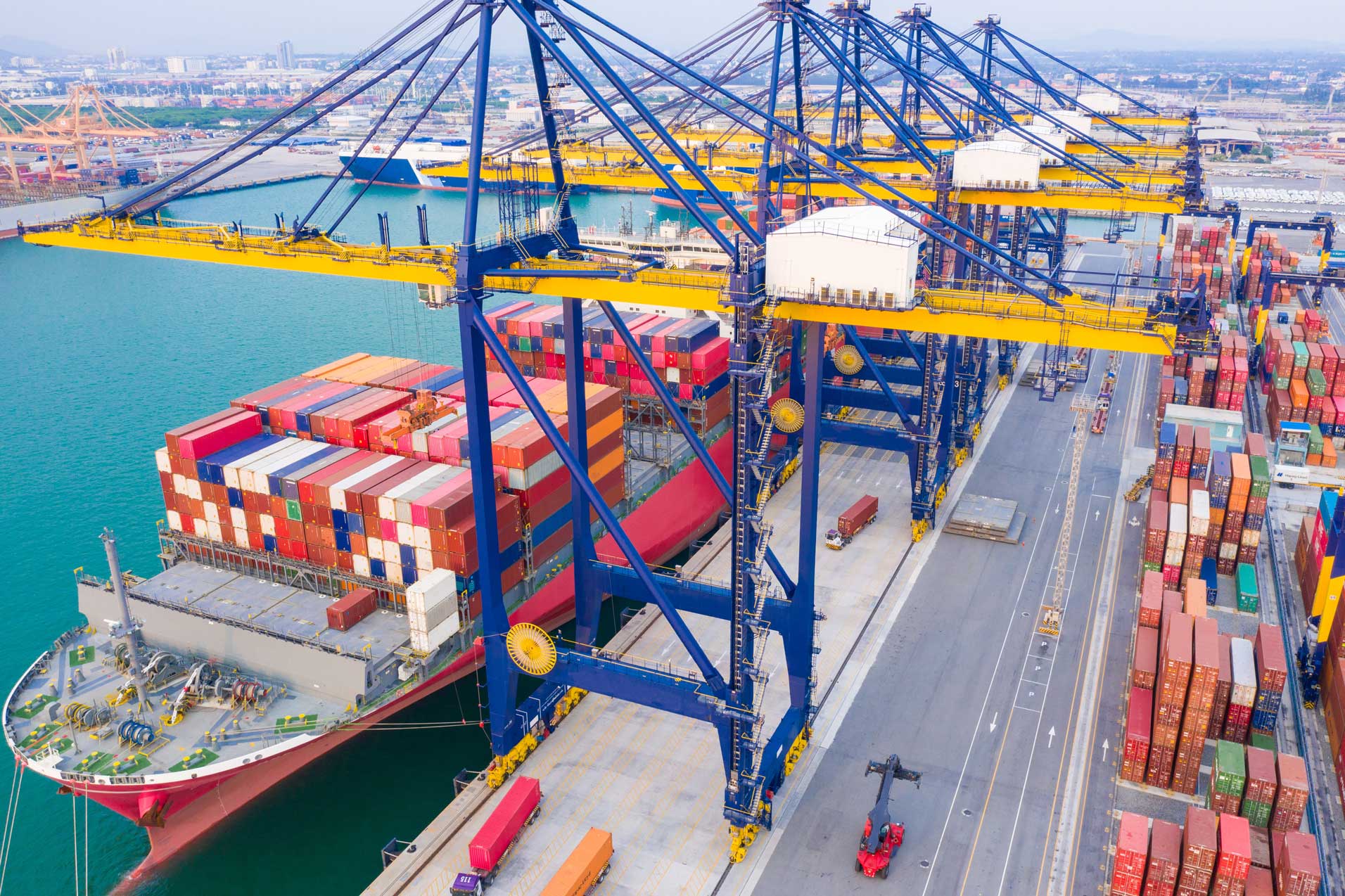
Ocean freight

Air freight

Road freight
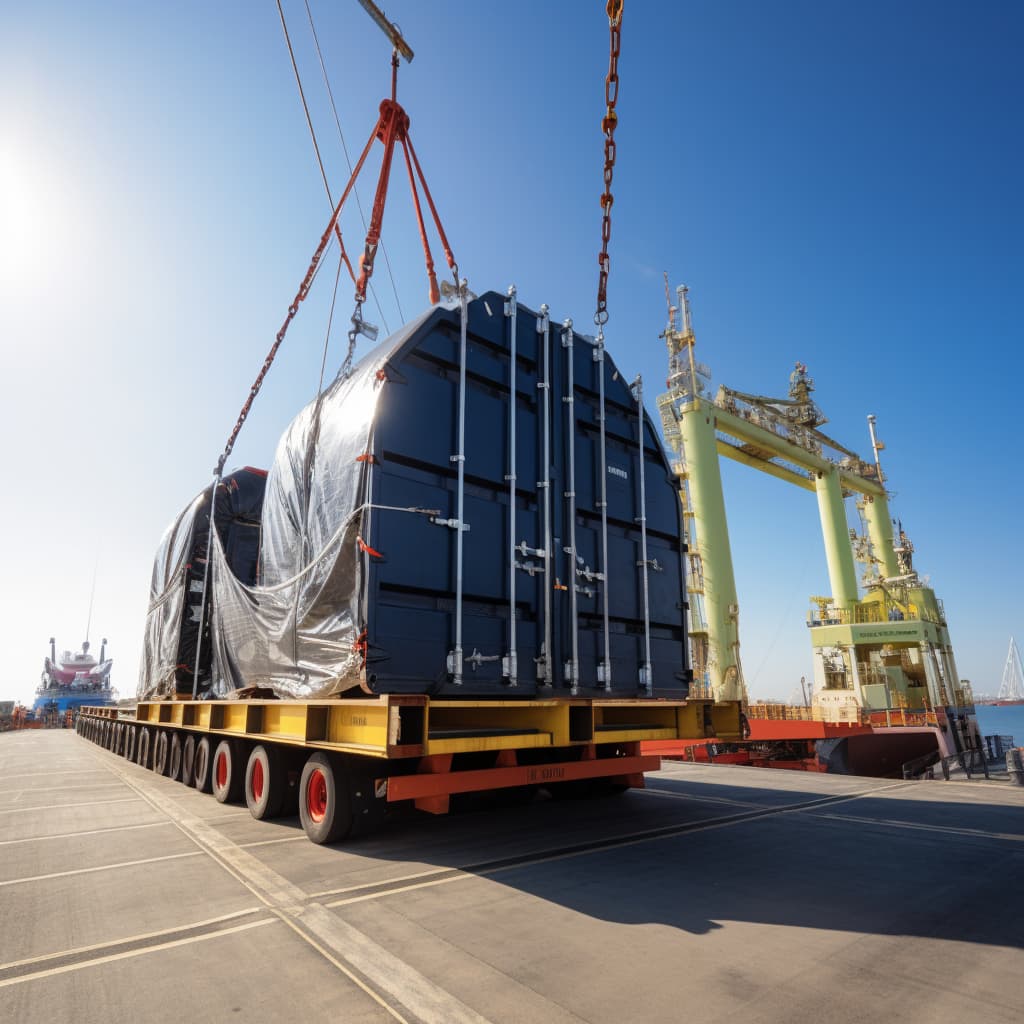
Project cargo
Consolidation and Miami warehousing
What companies say about working with us
4PL logistics, answered
Request your 4PL logistics assessment
