
LCL from China · Weekly departures
LCL shipping from China to Puerto Rico
Consolidated LCL ocean freight from China to Puerto Rico: pay only for the cubic meters you use, with customs handled at destination.
4.5 on Google · 190+ reviews
Since 1992
Weekly departures
No volume minimum
Door to door

All-in total
USD
Non-binding price. Subject to space and equipment availability and to the commercial offers in force at the time of booking. A better price is often available by talking directly to sales.
Volume (CBM)
Weight (kg)
Incoterm
Transit
Valid until
Reference
We have emailed the full breakdown to .
Request received
Your shipment is with our FCL team
A sales executive contacts you the same business day with rate, carrier and next sailing.
Containers
Weight per container (kg)
Commodity
Incoterm
Reference
- 1We check space and equipment for your lane with our ocean carriers.
- 2Your executive contacts you with rate, carrier and next sailing.
- 3If the proposal works for you, we book your container and coordinate pickup and documents.
We have emailed the confirmation to .
Certifications & memberships



How much does LCL from China to Puerto Rico cost?
Small shipments (1 to 3 CBM)
Per CBM
$180 to $320
Indicative LCL rate per cubic meter from China to Puerto Rico, confirmed with your cargo details within one business day.
Mid-sized shipments (3 to 10 CBM)
Per CBM
$140 to $240
Indicative LCL rate per cubic meter from China to Puerto Rico, confirmed with your cargo details within one business day.
Volume. LCL is priced per cubic meter (CBM); the rate per CBM drops as the shipment grows.
Origin port. Shanghai, Shenzhen and Ningbo run different consolidation schedules and costs.
Destination charges. CFS handling, duties and taxes at destination are part of the landed cost.
Request a quote
A customized quote for your cargo and budget. Reply within one business day.
LCL from China to Puerto Rico, run by one accountable team
Booking a full container only makes sense above a certain volume. LCL lets you pay for the cubic meters your cargo actually occupies in a shared container. For Puerto Rico importers sourcing regularly from China in quantities under one FCL load, LCL provides a predictable shipping cadence with weekly consolidation departures and deconsolidation at a bonded CFS near Puerto Nuevo Terminal.
Cost efficiency
Pay per CBM rather than booking an entire container. Shared costs make smaller, frequent shipments viable.
Flexibility
Order in batches that match actual demand, reducing the inventory risk of committing to full container quantities.
Reliable routing
Weekly consolidation departures from Shanghai, Shenzhen, and Ningbo align with your purchase order timelines.
Full consolidation
Interworld Freight handles booking, documentation, ISF filing, CBP clearance, and last-mile drayage across Puerto Rico as a single service.
WCA founding member
IATA and CTPAT certified, WCAworld Best Partner 2022, with 350+ people in 4 own offices.
LCL options from China to Puerto Rico
Puerto Rico’s economy depends heavily on imports from China. Whether you’re moving electronics, auto parts, pharmaceuticals, or retail goods, LCL (Less than Container Load) shipping lets Puerto Rico businesses source from Chinese manufacturers without paying for space they don’t need. Interworld Freight manages the China to Puerto Rico corridor, handling consolidation at origin, CBP clearance, and delivery through the Port of San Juan’s Puerto Nuevo Terminal.
Standard LCL. Port-to-port consolidation from Chinese origin CFS to Puerto Nuevo Terminal. Ideal for importers with their own customs broker and drayage in San Juan.
Priority LCL. Expedited booking with preferred vessel sailings for time-sensitive cargo, minimizing wait time at origin CFS.
Door-to-door LCL. Interworld Freight coordinates factory pickup, consolidation, ocean transit, CBP clearance, deconsolidation, and trucking to the consignee’s address across Puerto Rico.
Best suited for: Consumer electronics: Circuit boards, LED lighting, smartphones, and accessories from Guangdong and Jiangsu provinces move efficiently under LCL consolidation.; Pharmaceuticals and medical supplies: Puerto Rico hosts significant pharmaceutical production; API chemicals, lab equipment, and medical devices regularly supplement inventories via LCL.; Auto parts: Aftermarket parts, tires, and vehicle accessories for Puerto Rico’s automotive retail market fit well within LCL volumes.; Retail consumer goods: Housewares, garments, toys, and general merchandise from Chinese factories fit LCL shipments in the 1 to 12 CBM range.
Tracking and support. Our tracking system provides real-time updates on the location and status of your shipment, allowing you to monitor progress from origin to destination. Our support team is available to address any questions or concerns that may arise during transit. Receive notifications at key stages of the shipment process, ensuring you’re informed of important milestones.

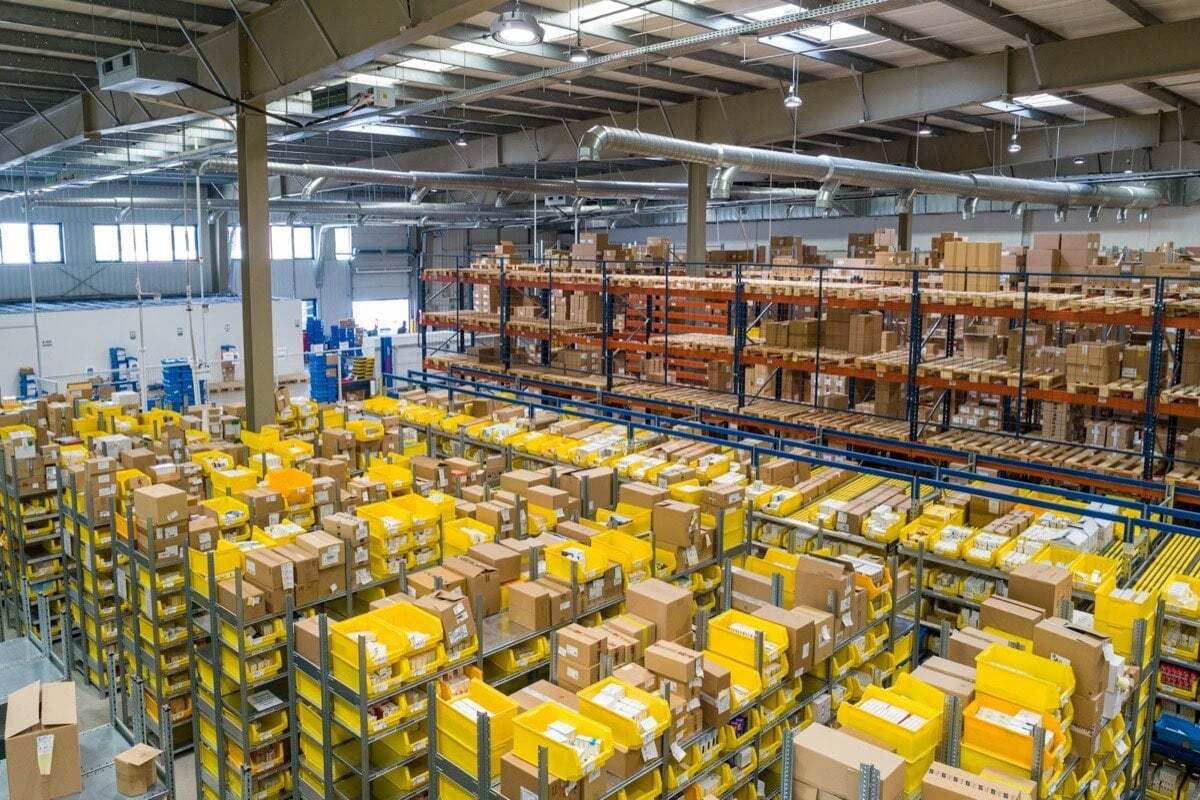
Buying from several suppliers? We consolidate all of them under one shipment and one set of documents.
How to ship LCL from China to Puerto Rico
1
Quote your cargo. Send volume (CBM), weight and commodity; we confirm the rate and next consolidation within one business day.
2
We receive it in China. Your supplier delivers to our consolidation point, or we collect at the factory.
3
Sail and clear customs. We issue the bill of lading, consolidate, ship and handle clearance at destination.
How long does LCL from China to Puerto Rico take?
We confirm the next available sailing and your route's exact transit when you request a quote.
From Shanghai
28-32 days
From Shenzhen (Yantian)
30-35 days
From Ningbo
32-38 days
Ports in Puerto Rico for LCL cargo from China
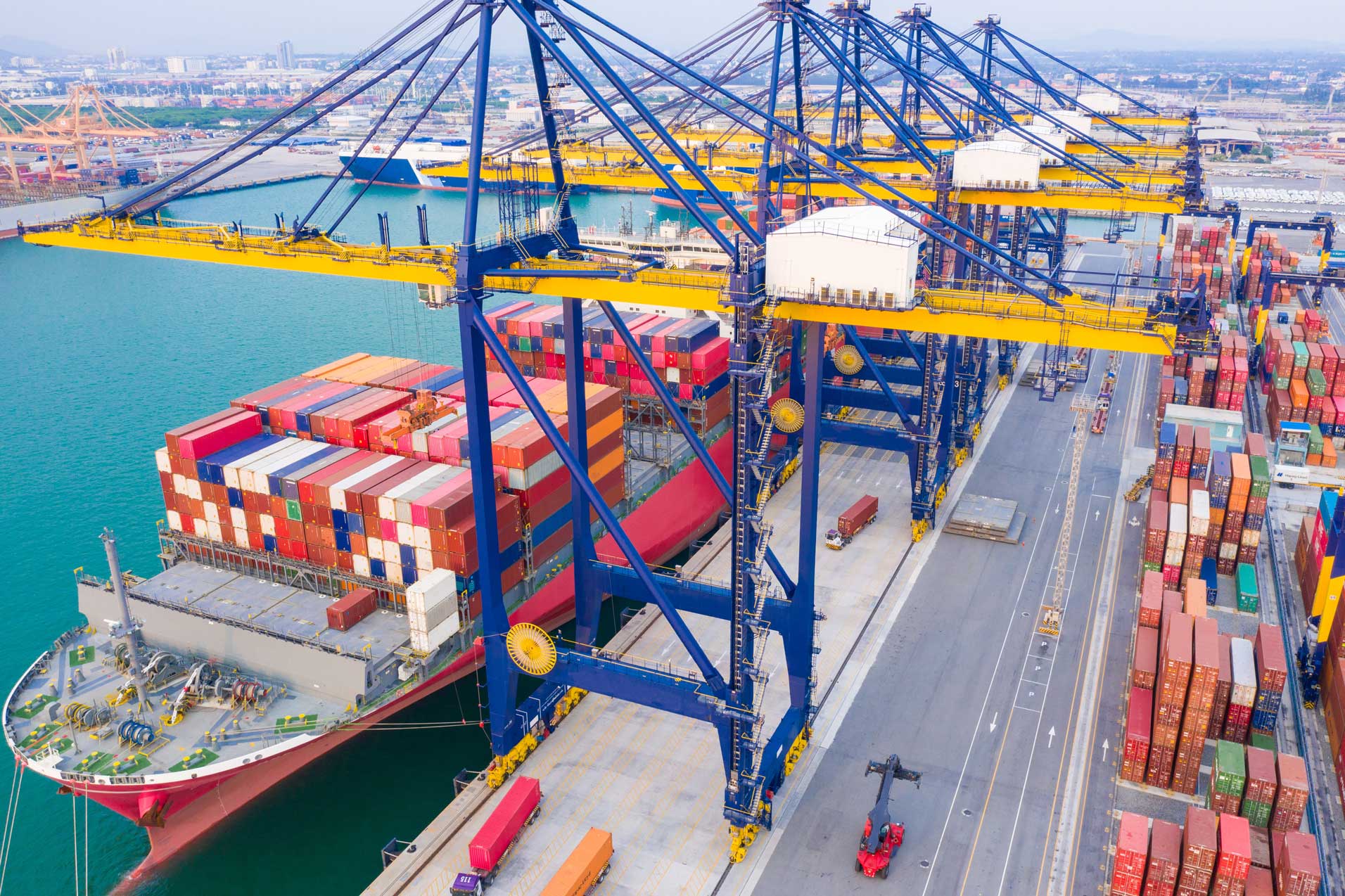
The ports where consolidated cargo from China arrives, with deconsolidation and customs clearance coordinated at each one.
Port of San Juan (Puerto Nuevo Terminal)
Puerto Rico’s primary container gateway on the island’s north shore. CBP conducts entry examinations here, and bonded CFS facilities nearby manage LCL deconsolidation before island-wide delivery.
LCL · Customs clearance
Port of Ponce
On the southern coast, Ponce handles bulk and some container services. For consignees in Ponce or Mayaguez, routing through Ponce can cut drayage from San Juan. LCL availability is limited; contact us to confirm viability.
LCL · Customs clearance
Customs requirements for LCL imports to Puerto Rico
As a U.S. territory, Puerto Rico imports clear through U.S. Customs and Border Protection (CBP)
Requirements and documents
Documentation.Commercial invoice, packing list, bill of lading, ISF 10+2 filing. ISF must be submitted at least 24 hours before vessel loading. Formal entry required for shipments above $2,500.
Duties and taxes.U.S. HTS tariffs apply, including Section 301 duties on Chinese goods; Puerto Rico IVU sales tax may also apply post-clearance.
How to prepare your shipment
1
Proper packaging. Use export-grade cartons or crates suited to ocean transit. Mark fragile items clearly.
2
Labeling. Each package must show consignee name, destination address, and package number in English for CBP review.
3
Weight and dimensions. Provide accurate CBM and gross weight before booking. Measurement discrepancies cause billing adjustments and CFS delays.
4
Compliance check. Confirm your HTS code and Section 301 applicability. Undervaluation on the commercial invoice is a serious CBP violation.
Prohibited and restricted items
Standard U.S. CBP restrictions apply; agriculturalControlled goods require USDA APHIS or FDA permits
Tell us what you ship and we confirm permits and restrictions before booking.
More about LCL from China to Puerto Rico
Estimated LCL shipping costs from China to Puerto Rico
Shipping costs vary depending on cargo volume, origin port, and market conditions.
No-commitment quote · Reply within one business day
Ready to price your LCL from China to Puerto Rico?
Rate and next consolidation confirmed within one business day, with a clear breakdown from the first email: no surprises, no fine print.
30,000+TEUs / year
4.5Mair kg / year
350+employees
Quote your cargo today
4.5 · 190+
Consolidating cargo from China to Puerto Rico. An advisor confirms rate, departure and documents.
Get a quote to Puerto Rico
Talk to an expert
or call +1 (646) 722-0968
LCL routes from China to Puerto Rico
Consolidation lanes from the main Chinese ports.
From China to Puerto Rico
ShanghaiSan Juan
Highest-frequency Panama Canal routing. Transit 28 to 32 days port to port. Widest schedule selection for electronics, machinery, and general merchandise
Shenzhen (Yantian)San Juan
Serves Pearl River Delta factories via Panama Canal. Transit 30 to 35 days. Preferred origin for consumer electronics and garments
NingboPonce
Ningbo consolidations can route to Ponce for southern Puerto Rico consignees, cutting drayage from San Juan. Transit 32 to 38 days depending on connecting service
More ways to ship to Puerto Rico

LCL from China to Puerto Rico for specific industries
Industry programs with the documentation and handling each commodity demands.
LCL from China to nearby destinations

LCL from China to all our Caribbean destinations
Caribbean
LCL to Antigua and BarbudaLCL to ArubaLCL to the BahamasLCL to BarbadosLCL to the Cayman IslandsLCL to CuraçaoLCL to DominicaLCL to GrenadaLCL to HaitiLCL to JamaicaLCL to Saint Kitts and NevisLCL to Saint LuciaLCL to Saint Vincent and the GrenadinesLCL to Trinidad and TobagoLCL to the Turks and Caicos IslandsLCL from China to Puerto Rico: frequently asked questions
Request your LCL quote from China to Puerto Rico
Tell us what you buy in China and where your suppliers are. An advisor replies within one business day with your rate, next consolidation and the documents you need.
9601 NW 112th Ave, Miami, FL 33178
Documents we prepare for you
Bill of lading (BL) · Commercial invoice · Packing list

Talk to a person, not a bot
Daniel Zapata · Operations Director
Dani prices your lane himself and confirms rate, sailing and documents, in English or Spanish. Answered by him, not a machine.
4.5 / 5
190+ reviews on Google. Exporters and importers already moving their cargo with Interworld.
Certifications & memberships




Global freight forwarder headquartered in Miami since 1992. Ocean, air and road freight, warehousing and container shipping worldwide.
Dominican Republic
Spring Center Plaza, suite 701, Arroyo Hondo, Distrito Nacional