
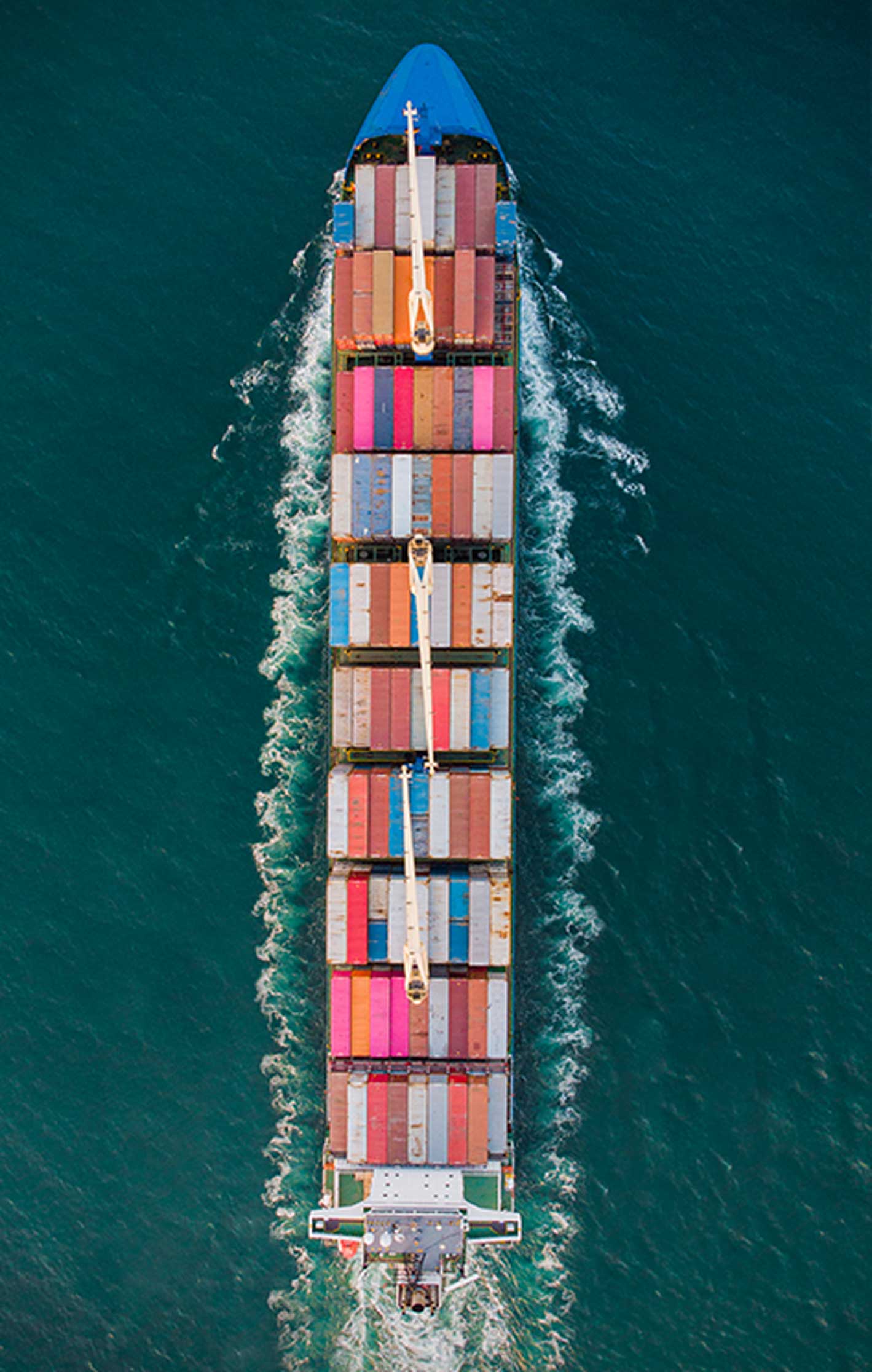
DDP Incoterm definition
Delivered Duty Paid (DDP) is an Incoterm used in international trade to define the responsibilities of the seller and buyer in shipping transactions. Under DDP terms, the seller is responsible for delivering the goods to the named destination in the buyer’s country, covering all costs and risks involved, including customs duties, taxes, and other import charges. The buyer's role is limited to receiving the goods at the destination.
DDP in Shipping Terms
The DDP shipping term means the seller handles all logistics, from export clearance to transportation and import clearance. The seller assumes the highest level of responsibility among all Incoterms, making DDP a buyer-friendly term. DDP Incoterm rules simplify the buyer’s role, focusing on receiving the goods and not worrying about the complex logistics involved.
Explanation of DDP Incoterm Rules
The DDP Incoterm outlines that the seller must:
- Deliver the goods to the agreed destination.
- Pay for all transportation costs, including freight.
- Handle export and import formalities, including duties and taxes.
- Provide the necessary documentation to the buyer.
The buyer’s only responsibility under DDP terms is to receive the goods at the destination.
How DDP Fits Within the Incoterms Framework
Within the Incoterms framework, DDP represents the maximum obligation for the seller and the minimum for the buyer. It contrasts sharply with terms like EXW (Ex Works), where the seller has minimal responsibility.
Key Features of DDP Shipping
- Seller covers all costs: Transportation, duties, and taxes.
- Risk and cost transfer: Occurs only when the goods are delivered to the buyer’s location.
- Simplified process for the buyer: The seller manages all logistical challenges.
Responsibilities Under DDP Shipping Terms
Seller’s Responsibilities
- Arranging transportation from the seller’s premises to the buyer’s specified location.
- Handling export and import customs formalities.
- Covering all costs, including duties, taxes, and shipping fees.
- Ensuring the goods are delivered safely and providing the necessary documentation.
Buyer’s Responsibilities
- Receiving the goods at the destination.
- Handling any costs and risks that arise after the delivery is complete.
DDP vs. DDU (Delivered Duty Unpaid)
While DDP requires the seller to pay all duties and taxes, DDU (Delivered Duty Unpaid) places this responsibility on the buyer. Under DDU, the seller handles transportation but not the import formalities or costs, making DDP a more comprehensive term for buyer convenience.
Financial Aspects of DDP
Understanding DDP Pricing
DDP pricing includes the cost of goods, transportation, and all duties and taxes. This comprehensive pricing model allows buyers to understand the total landed cost without worrying about additional import charges.
Costs Included in DDP Transportation
- Freight charges
- Customs duties
- Import taxes
- Transportation insurance
- Any other costs related to delivery
Risk Management in DDP
Points of Risk Transfer in DDP Delivery
Risk transfers from the seller to the buyer once the goods are delivered to the specified location in the buyer's country. This ensures the seller bears all risks until the final delivery.
Insurance Implications
Given the seller’s extensive responsibilities, obtaining comprehensive insurance is critical. This covers potential losses or damages during transit, ensuring the seller is protected until the risk transfers to the buyer.
Legal and Compliance Factors
Duties and Taxes in DDP Transactions
The seller must navigate the complexities of international duties and taxes, ensuring compliance with all relevant laws. This includes understanding and managing tariffs, VAT, and other import charges in the buyer’s country.
CIF (Cost, Insurance, and Freight) vs. DDP
CIF covers cost, insurance, and freight up to the destination port, but DDP goes further by including import duties and delivery to the buyer’s specified location. Thus, DDP provides a more comprehensive solution.
Logistics and Transportation
DDP in Logistics Operations
Managing DDP logistics involves coordinating with freight forwarders, customs brokers, and local carriers to ensure seamless delivery. The seller must ensure that all logistical elements are managed efficiently.
Managing DDP Shipments at Destination
On arrival, the seller must ensure that goods are cleared through customs and delivered to the buyer’s location. Effective management and coordination with local partners are crucial for successful delivery.
Advantages of Using DDP
- Simplifies buyer’s process: All logistics and costs are handled by the seller.
- Predictable costs: Buyers know the total landed cost upfront.
- Reduces buyer’s risk: The seller assumes all transportation and import-related risks.
Disadvantages of Using DDP
- Seller’s burden: High responsibility and complexity for the seller.
- Cost implications: Potentially higher costs due to the comprehensive nature of DDP.
- Risk of delays: If the seller does not manage import clearance efficiently, it can lead to delays.
Practical Applications and Case Studies
Examples of DDP in International Trade
- Consumer Electronics: A US company exports smartphones to a retailer in France under DDP terms. The US seller manages all shipping logistics, duties, and taxes, delivering the smartphones to the retailer’s warehouse in Paris.
- Automotive Parts: A Japanese manufacturer sells car parts to a buyer in Brazil, handling all transportation, duties, and taxes, and ensuring delivery to the buyer’s facility in São Paulo.
Case Studies Highlighting DDP Implementation
- Pharmaceuticals: A European pharmaceutical company uses DDP terms to ship medical supplies to a hospital in Africa, ensuring compliance with local import regulations and timely delivery.
- Apparel Industry: An apparel manufacturer in India ships garments to a retailer in Canada, taking care of all customs formalities and ensuring the garments reach the retailer’s distribution center ready for sale.
Recent Developments and Changes
Updates to DDP Terms in Recent Incoterms Editions
Recent updates in Incoterms have clarified responsibilities and improved guidelines for DDP transactions, ensuring smoother international trade processes and better risk management practices.
By understanding Delivered Duty Paid (DDP) and its implications, businesses can make informed decisions about their shipping strategies, ensuring efficient logistics, clear cost management, and reduced risks in international trade. This comprehensive overview of DDP helps in navigating the complexities of global shipping, making it easier for sellers and buyers to engage in seamless transactions.

Interworld Freight cargo services


Ready to price your shipment?
