
Drayage · PortMiami & Port Everglades
Drayage Miami
Interworld Freight moves import and export containers between PortMiami, Port Everglades and our Miami warehouse in Miami, and books the truck together with your ocean freight to the Caribbean and Latin America. Send the container number or booking and the rate comes back within one business day.
4.5 on Google · 190+ reviews
Since 1992
WCA founding member
Ocean · air · road
Door to door

Freight forwarding quote
Reply within one business day
What can we ship for you from Miami?
Ocean, air and road freight in Miami, with customs clearance, documentation and warehousing coordinated by one team. Choose what you need and an advisor confirms your rate and next departure within one business day.
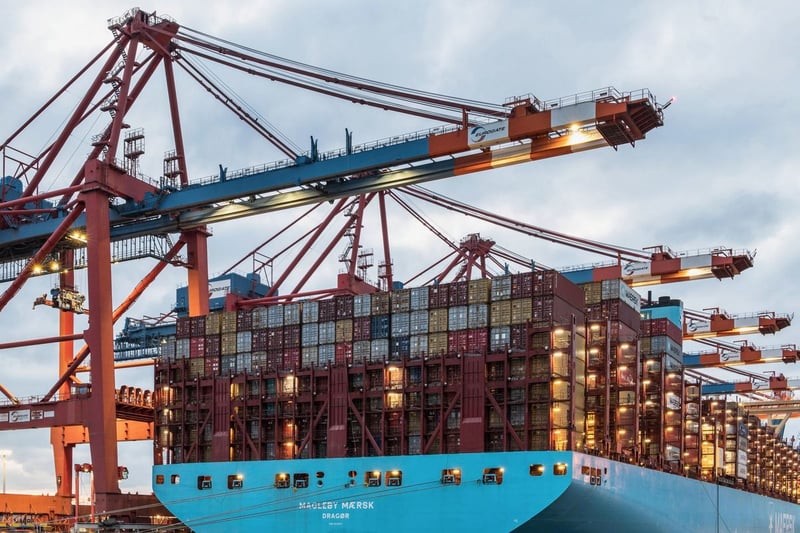
Ocean freight (FCL and LCL)
Request a quote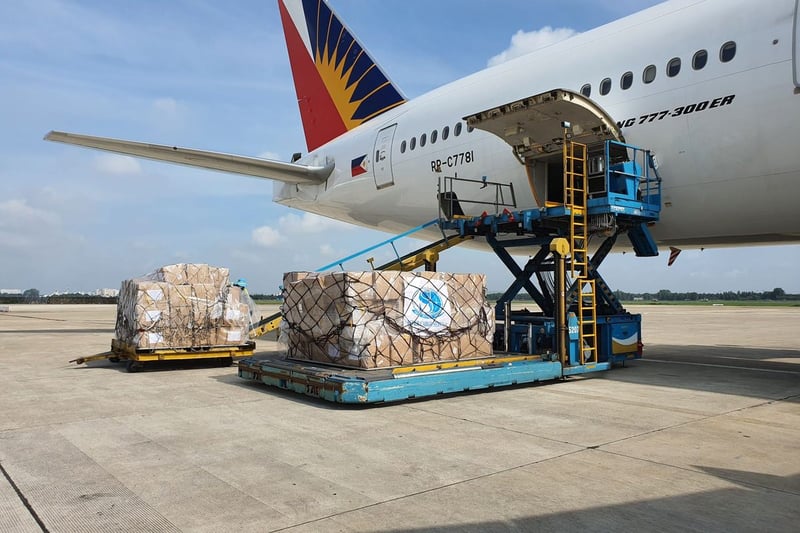
Air freight
Request a quote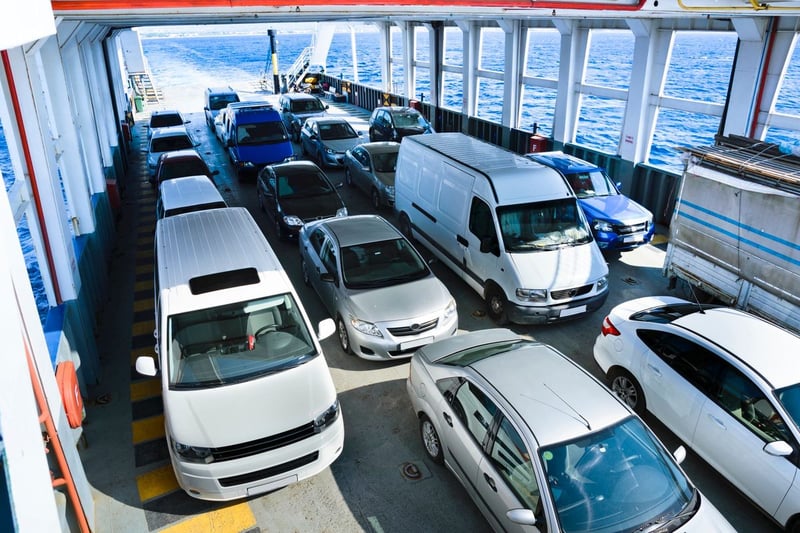
RoRo vehicles and equipment
Request a quote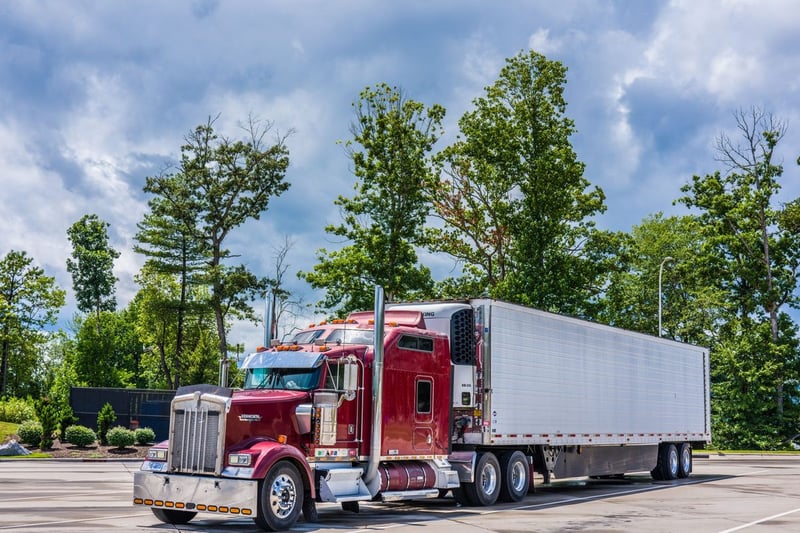
Road freight and drayage
Request a quote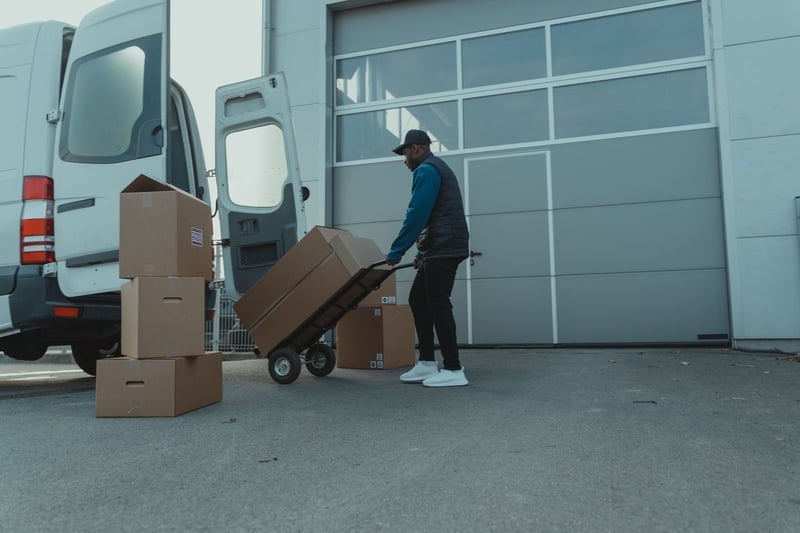
Door-to-door and DDP
Request a quote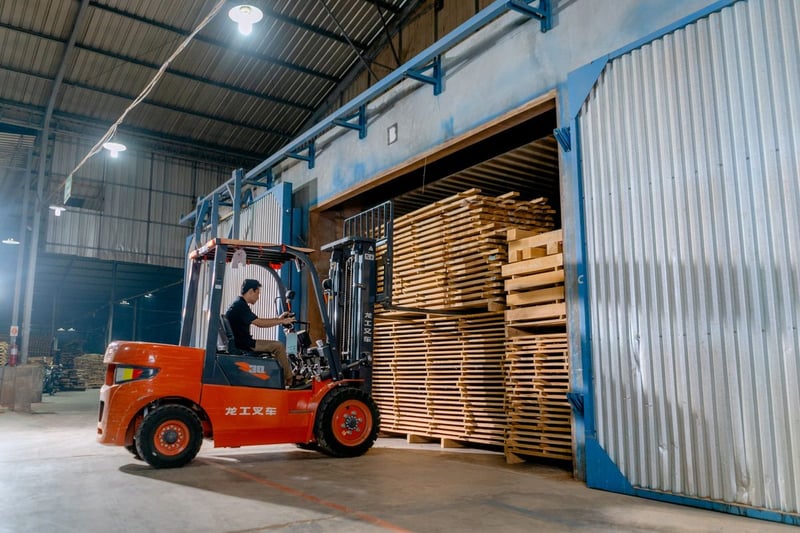
Warehousing and cross-docking
Request a quoteTo quote faster, include
Origin and destinationMode: ocean, air or roadCargo type and volumeCustoms or warehousing needs
Request a freight quote
No commitment
Over 30 years moving containers in South Florida
Founded in 1992 by John Crespo and a founding member of the World Cargo Alliance, Interworld Freight moves 30,000+ TEUs a year with an in-house team that knows each destination's customs.
Door to door
Pickup at origin, documents and delivery at destination coordinated by one team.
Customs handled at destination
We manage clearance and documentation for commercial cargo and household goods.
Miami headquarters
A Miami hub with 4 own offices in the USA, Panama, the Dominican Republic and the Bahamas.
WCA founding member
IATA and CTPAT certified, WCAworld Best Partner 2022, with 350+ people in 4 own offices.
Container drayage at PortMiami and Port Everglades
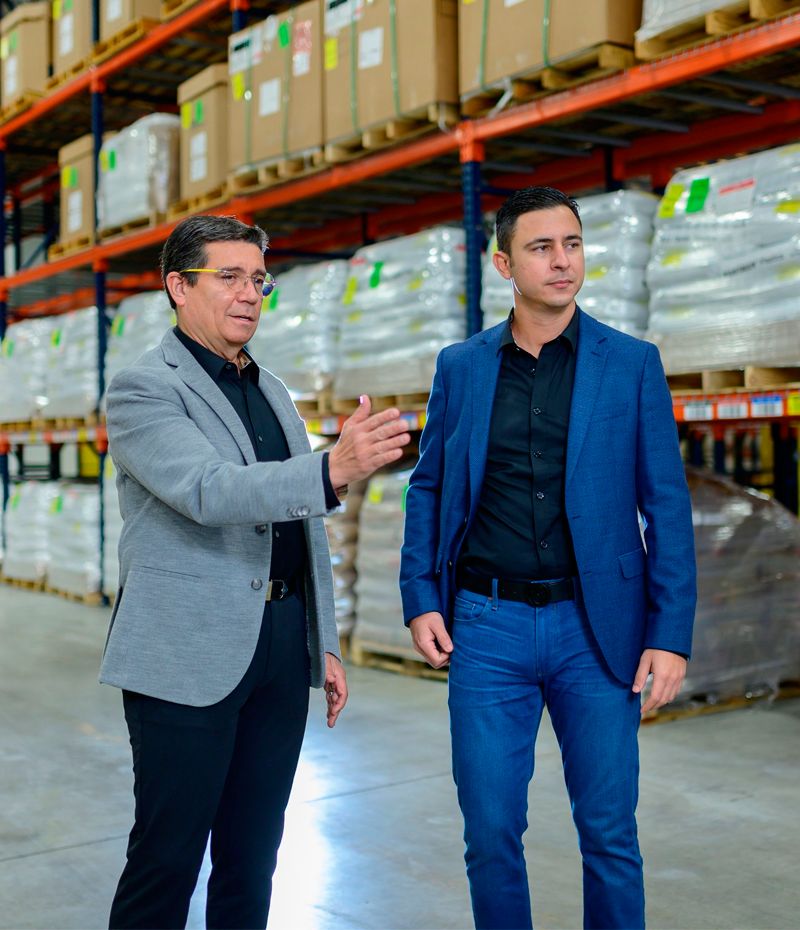
South Florida has two container gateways, and Miami drayage means working both.
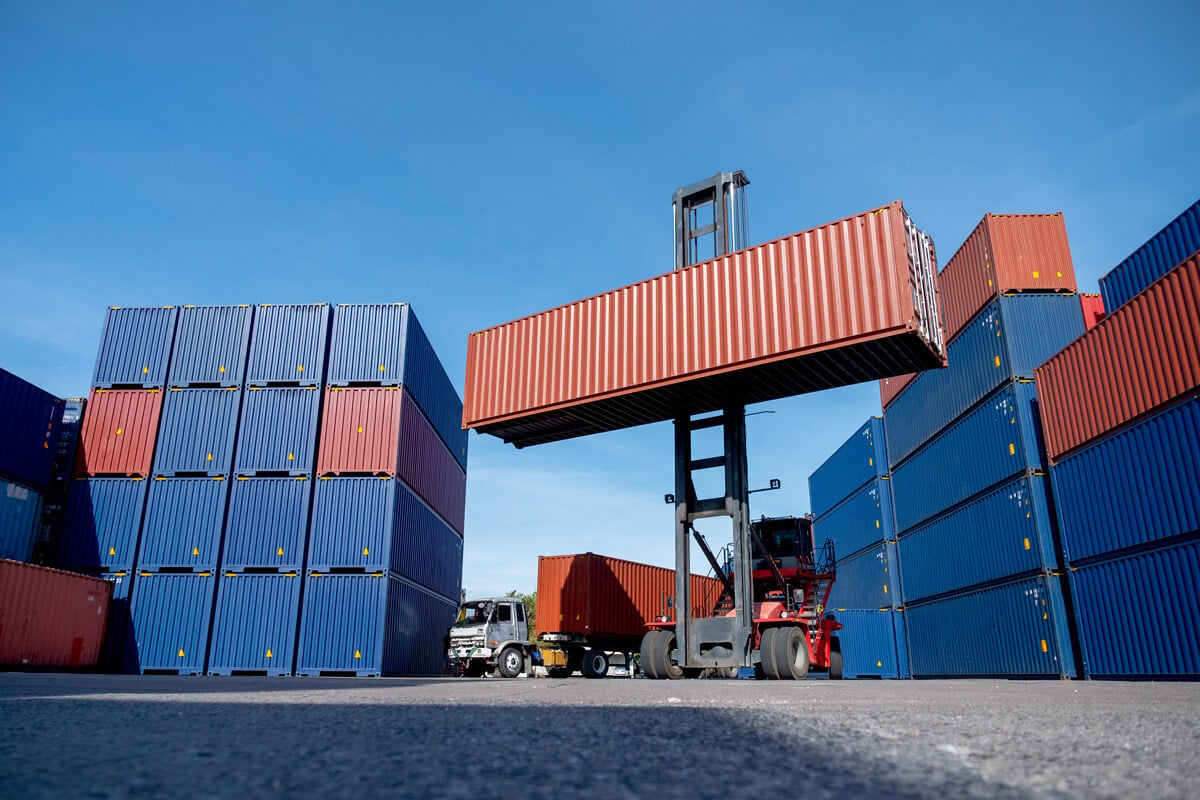
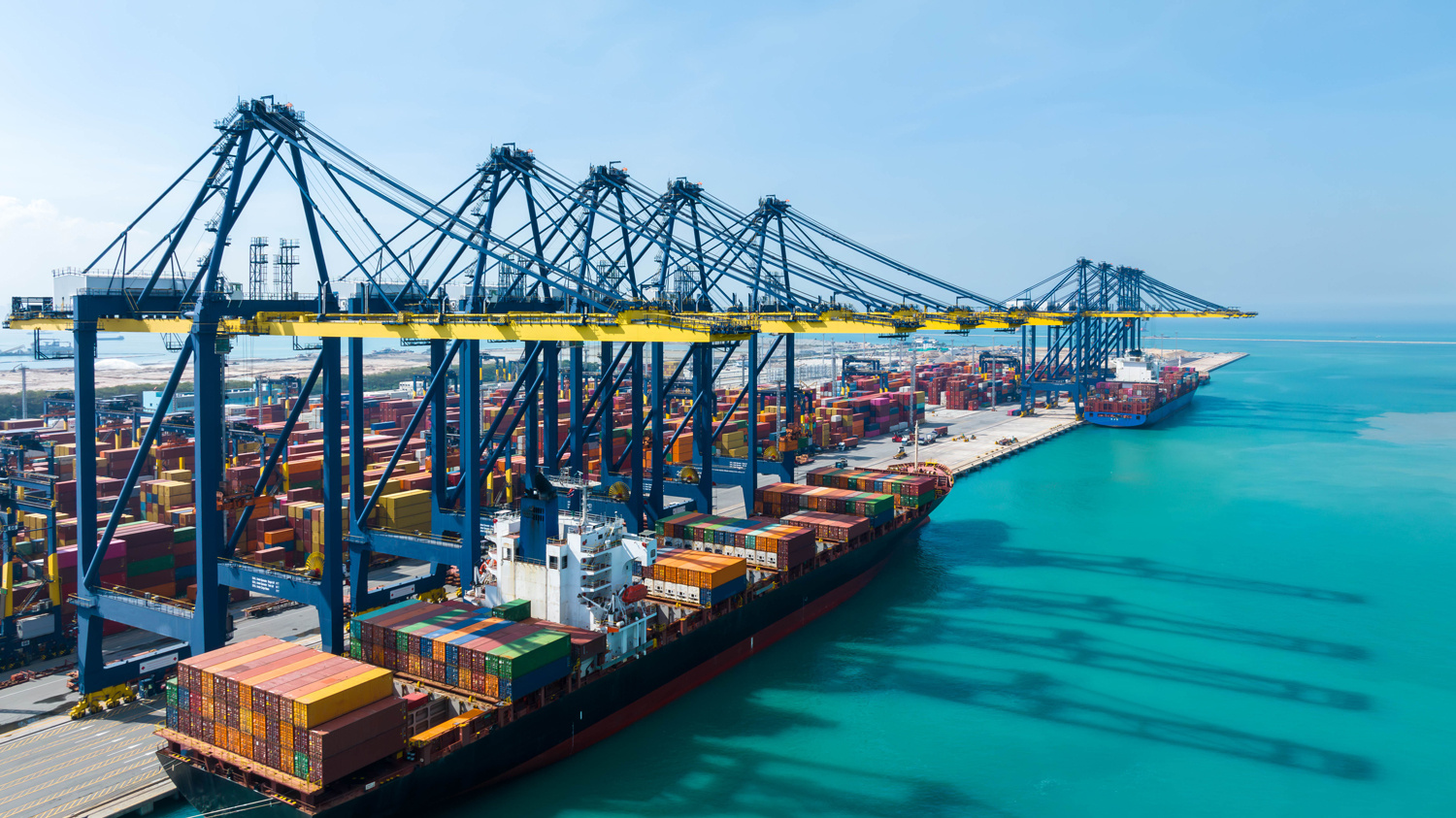
PortMiami. The port handled 1,115,058 TEUs in fiscal year 2025, according to PortMiami cargo statistics. Containers are worked at three terminals: the Port of Miami Terminal Operating Company (POMTOC), Seaboard Marine and South Florida Container Terminal. Trucks reach the island through the PortMiami Tunnel, which connects the port directly to the interstate system without crossing downtown streets.
Port Everglades. Broward County's port handled a record 1.167 million TEUs in fiscal year 2025 (October 2024 to September 2025), spread across ten terminal operators, with most container services running north-south to the Caribbean and Latin America. It sits two miles from Fort Lauderdale-Hollywood International Airport, with the Florida East Coast Railway's intermodal container transfer facility near the docks.
Each terminal has its own gate hours, appointment system and empty-return rules, and they shift with vessel schedules and peak weeks. We book the appointment, check holds and fees, and dispatch the truck only when the box is free to move. Anyone who needs unescorted access to the secure area of these terminals, drivers included, must hold a TWIC under Coast Guard rules.
Which port to use is usually decided by the ocean carrier, not by the shipper. The trade-offs between the two gateways are covered in our PortMiami vs Port Everglades comparison.

Drayage to and from our Miami warehouse
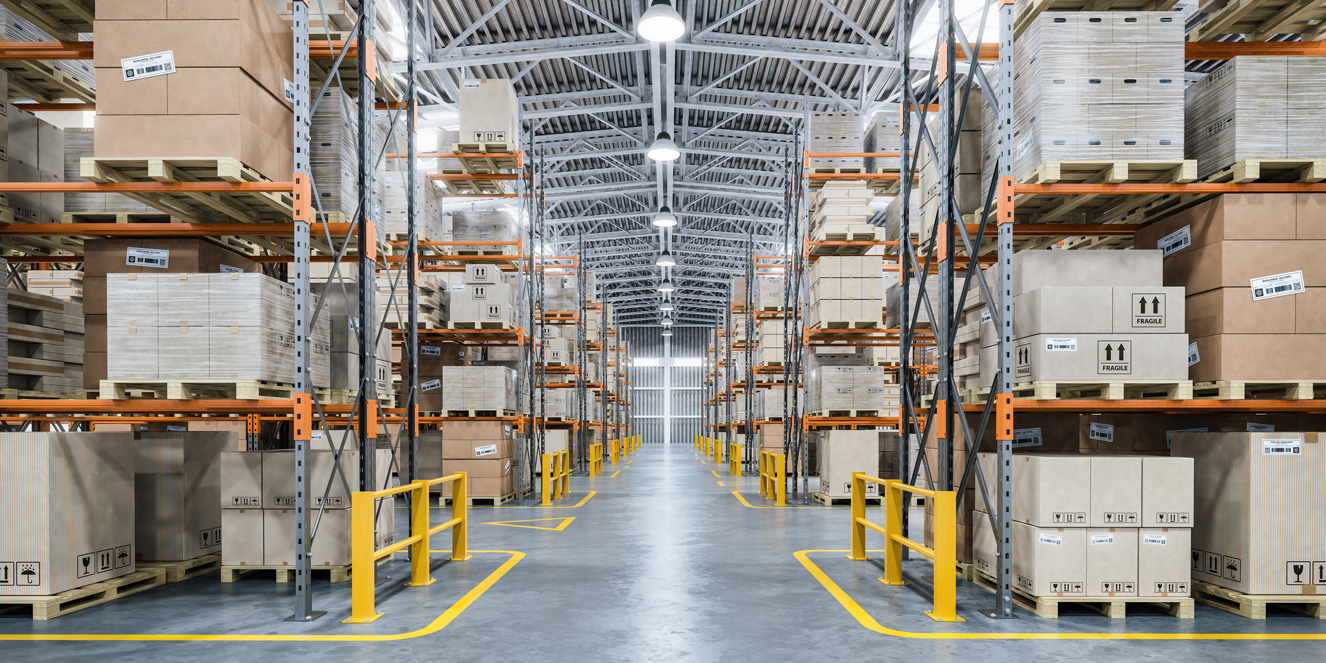
Many of the containers we move in Miami start or end at our own headquarters warehouse in Miami.
Typical moves:
Import container to warehouse
A full container is pulled from the terminal, delivered to our dock, unloaded, counted and photographed. The empty goes back to the line's designated depot.
Transloading
Cargo from a 20' or 40' international box is transferred to a 53' domestic trailer, to pallets for LTL, or to a different container for re-export. Our cross-docking operation in Miami handles the transfer the same day when the outbound leg is booked.
Storage
Cargo that is not ready to move, waiting for a buyer or a sailing, goes into the warehouse so the container can be returned before detention starts.
Export container to terminal
We collect an empty from the depot, load it at our dock or at your facility, seal it and return it full to the terminal before the vessel's cut-off.
If you need a refresher on terminology (pre-pull, live unload, drop and pick), our glossary entry on drayage defines the moves.

First container move in Miami? An advisor plans the pickup, chassis and delivery window with you.
How a Miami drayage move is scheduled
A drayage move fails at the gate, not on the road, so the sequence below is mostly about clearing the box before the truck leaves.
1
Booking. You send the container number (import) or the booking number (export), the size and type, the gross weight, the pickup or delivery address and the target date.
2
Release check. For imports we confirm that the ocean carrier has released the container (freight paid, original bill of lading surrendered or express release) and that CBP has no hold on it.
3
Appointment. We book the terminal appointment and confirm the empty return location.
4
Chassis. We arrange the chassis that fits the container and the weight.
5
Pickup and delivery. The driver pulls the container and delivers live (driver waits while you unload) or drops it for you to unload on your schedule.
6
Empty return or export ingate. Empties go back to the line's depot; export loads go to the terminal before cut-off.
7
Proof of delivery. You receive the interchange records and POD, which are the evidence if a per diem invoice is disputed later.
Chassis, pre-pull, per diem and demurrage: how we schedule around them
Most of what makes drayage expensive is time, not miles, and we plan every move against two clocks.
- Demurrage is charged by the terminal or the line while a loaded container sits inside the port after free time ends. Per diem or detention is charged by the ocean carrier while its equipment is outside the terminal and not returned.
- Free days vary by line, terminal and contract, so we read them from the arrival notice for each container.
How we keep both clocks short:
Pre-pulls
When the delivery date falls after the last free day, we pull the container to our warehouse before demurrage starts and deliver from there.
Fast unload at Miami
Containers delivered to our dock are unloaded against a booked dock slot, so the empty can go back to the depot without sitting for days.
Chassis planning
Overweight or reefer containers need the right chassis and, for reefers, a generator set; we book both with the move so the container does not wait at the gate.
Invoice review
Since May 28, 2024, ocean carriers and terminals that bill demurrage or detention have to meet the content and timing rules in 46 CFR Part 541, including issuing the invoice within 30 days of the last charge. Our demurrage and detention guide explains how to audit and dispute a charge.
- Weight matters too. US federal rules cap gross vehicle weight on the interstate network at 80,000 lb, and a heavy 20' container on a standard chassis can exceed that.
- We check declared weights before dispatch and book a tri-axle chassis or an overweight permit when needed.


Drayage plus ocean freight in one booking
The cheapest drayage move is the one tied to the next sailing, because nobody pays for a container to wait.
01
When we handle both the truck and the ocean leg, the export container is loaded at our Miami warehouse, sealed and delivered to the terminal for the sailing we booked.
02
LCL cargo for the Caribbean and Central America is consolidated in the same warehouse, so a domestic truckload can join the next consolidation without a second trucking move.
03
For Caribbean and Latin American lanes, our freight forwarding service in Miami quotes truck, warehouse and ocean as one rate with one point of contact.
04
For moves beyond the port area (inland delivery to Orlando, Tampa or Atlanta, or FTL and LTL to other states), our road freight service quotes the domestic leg.
Containers and cargo we move by truck in South Florida
We dray standard and special equipment for commercial cargo.
20' dry
Heavy, dense cargo: tiles, steel, paper, beverages
40' dry and 40' high cube
Volume cargo: furniture, apparel, consumer goods
40' reefer
Food, beverages, pharmaceuticals; genset required on the road
Flat rack and open top
Machinery, vehicles, steel and project pieces
53' domestic trailer
Transloaded cargo moving inland from Miami
Hazardous cargo moves with placards, the shipping papers required for hazmat by road and a driver with the hazmat endorsement. Interworld Freight has worked in Miami since 1992 and is CTPAT certified, so the chain of custody from terminal to warehouse follows a documented security program.
No-commitment quote · Reply within one business day
Ready to price your drayage move in Miami?
Rate and next departure confirmed within one business day, with a clear breakdown from the first email: no surprises, no fine print.
30,000+TEUs / year
4.5Mair kg / year
350+employees
Quote your move today
4.5 · 190+
Moving containers in South Florida since 1992. An advisor confirms rate, pickup and delivery.
Get a drayage quote
Talk to an expert
or call +1 (646) 722-0968
More services in Miami
Drayage for specific industries
Industry programs with the documentation and handling each commodity demands.
More freight forwarding lanes

Drayage in Miami: frequently asked questions
Request your drayage quote
Tell us what you ship and from where. An advisor replies within one business day with your rate, next sailing and the documents you need.
9601 NW 112th Ave, Miami, FL 33178
Documents we prepare for you
Delivery order · Bill of lading · Commercial invoice

Talk to a person, not a bot
Daniel Zapata · Operations Director
Dani prices your lane himself and confirms rate, departure and documents, in English or Spanish. Answered by him, not a machine.
4.5 / 5
190+ reviews on Google. Exporters and importers already moving their cargo with Interworld.
Certifications & memberships





Global freight forwarder headquartered in Miami since 1992. Ocean, air and road freight, warehousing and container shipping worldwide.
Dominican Republic
Spring Center Plaza, suite 701, Arroyo Hondo, Distrito Nacional