

FOB origin (also called FOB shipping point) is a US domestic sales term under which title and risk of loss pass to the buyer when the seller hands the goods to the carrier. The buyer owns the goods in transit and files any freight claim. It differs from the Incoterms 2020 FOB rule, used only for sea freight.
| Term | FOB origin | FOB destination |
|---|---|---|
| Title (ownership) transfers | When the seller hands goods to the carrier at the origin point | When goods are delivered at the buyer's location |
| Risk of loss in transit | Buyer | Seller |
| Who pays freight | Buyer (freight collect), or seller if freight prepaid, usually billed back to the buyer | Seller (freight prepaid) |
| Who files freight claims | Buyer, as owner of the goods in transit | Seller, as owner of the goods in transit |
| Who selects the carrier | Usually the buyer on collect terms | Usually the seller |
What does FOB origin mean?
FOB Origin, also known as "Free on Board Origin," is a shipping term used in international trade. It indicates that the buyer takes ownership and responsibility for the goods as soon as they leave the seller's shipping point. Essentially, the risk and cost of transporting the goods transfer from the seller to the buyer once the goods are loaded onto the transport vehicle at the point of origin.
Seller’s responsibilities under FOB origin
Under FOB origin terms, the seller is responsible for:
- Packaging the goods securely for transport.
- Loading the goods onto the transportation vehicle at the specified FOB point of origin.
- Providing the necessary documentation for the shipment.
The seller’s responsibility ends once the goods are loaded onto the transport vehicle, and from that point onward, any risk or cost associated with transportation shifts to the buyer.
Buyer’s responsibilities and freight collect option
The buyer’s responsibilities under FOB origin include:
- Arranging and paying for the transportation from the FOB origin point.
- Assuming all risks for the goods once they are loaded onto the transport vehicle.
- Handling any loss, damage, or additional costs that may occur during transit.
When the term FOB origin freight collect is used, it means the buyer will pay the freight charges upon receiving the goods. This can also be referred to as FOB origin collect
Examples of FOB origin transactions
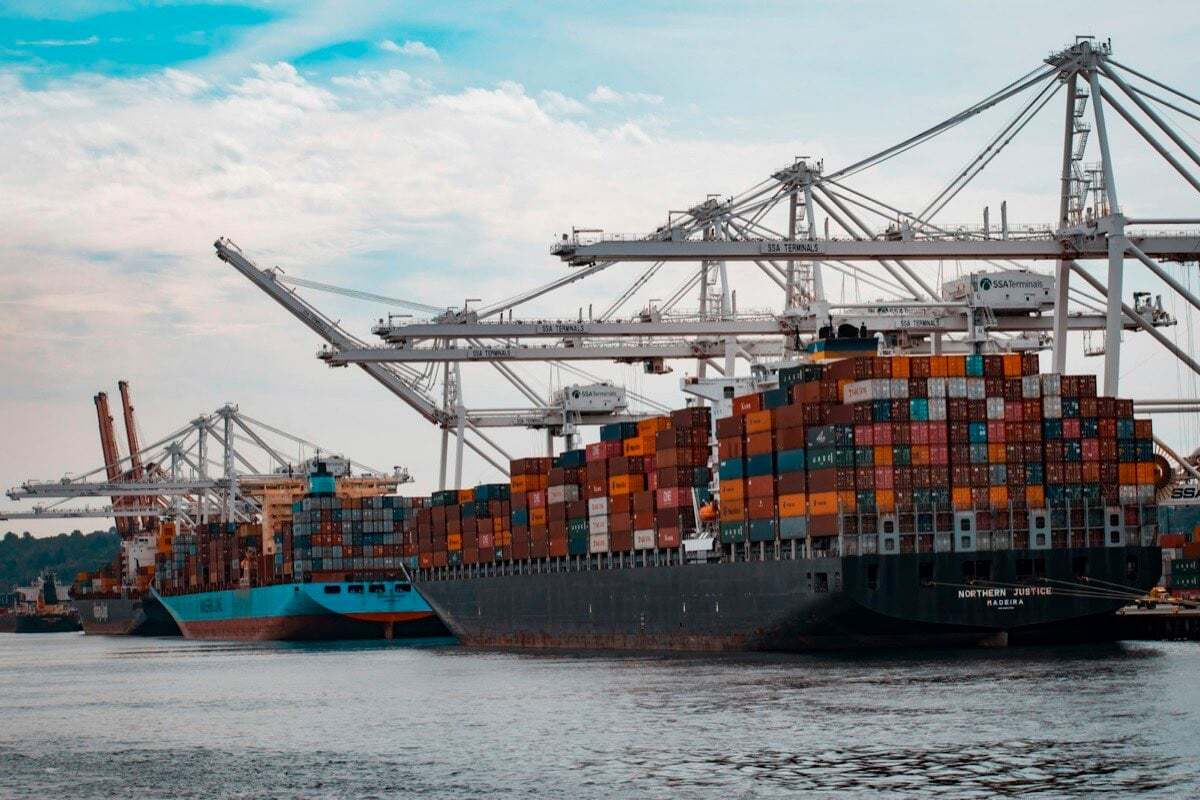
Consider a company in Germany that manufactures machinery and sells it to a buyer in Canada. Under FOB origin terms, the German manufacturer’s responsibilities include producing, packaging, and loading the machinery onto a ship at the port of Hamburg. Once the machinery is on board, the Canadian buyer takes over, assuming all transportation costs and risks from Hamburg to the final destination in Toronto. This includes ocean freight, insurance, and any other expenses incurred during transit. If the terms are FOB origin freight collect, the Canadian buyer will pay the freight charges upon arrival in Toronto.
Legal and Compliance Aspects
Understanding the legal implications of FOB origin terms is crucial for both buyers and sellers. The transfer of risk and responsibility must be clearly documented to avoid disputes. Additionally, compliance with local and international trade regulations is essential to ensure smooth transactions.
Advantages and Challenges
Benefits of using FOB origin in shipping
- Cost Control: Buyers have more control over shipping costs and can choose their preferred carriers and routes.
- Responsibility Transfer: Sellers can focus on production and packaging, leaving transportation logistics to the buyer.
- Flexibility: Buyers can negotiate better freight rates and optimize logistics according to their needs.
Common challenges and how to overcome them
Risk Management: Buyers must manage the risks associated with transporting goods, including damage or loss. This can be mitigated by purchasing appropriate insurance.
Coordination: Effective communication between buyers and sellers is essential to ensure that responsibilities are clear and that goods are handed over smoothly at the FOB point of origin.
Documentation: Accurate and thorough documentation is crucial to outline the transfer of responsibilities and mitigate any potential legal issues.

Interworld Freight cargo services


Ready to price your shipment?
