
Food & beverage logistics

Food & beverage logistics services
- Dedicated Fresh & Frozen Logistics division.
- Expertise in temperature-controlled warehousing and shipping.
- Dry and frozen warehouse and storage.
- Certified compliance with food safety and import/export regulations.
- Custom solutions for retailers, distributors, and manufacturers.
Tailored Transport Services for the Food and Beverage Industry
We understand the unique challenges that come with transporting food and beverages. From strict temperature control requirements to ensuring compliance with food safety regulations, there are many factors that must be taken into consideration to ensure that your products are delivered in optimal condition.
That's why we offer a range of services specifically tailored to the needs of the food and beverage industry. Our services include: Temperature-controlled transportation : We offer refrigerated containers in order to ensure that your products are kept at the optimal temperature throughout their journey.
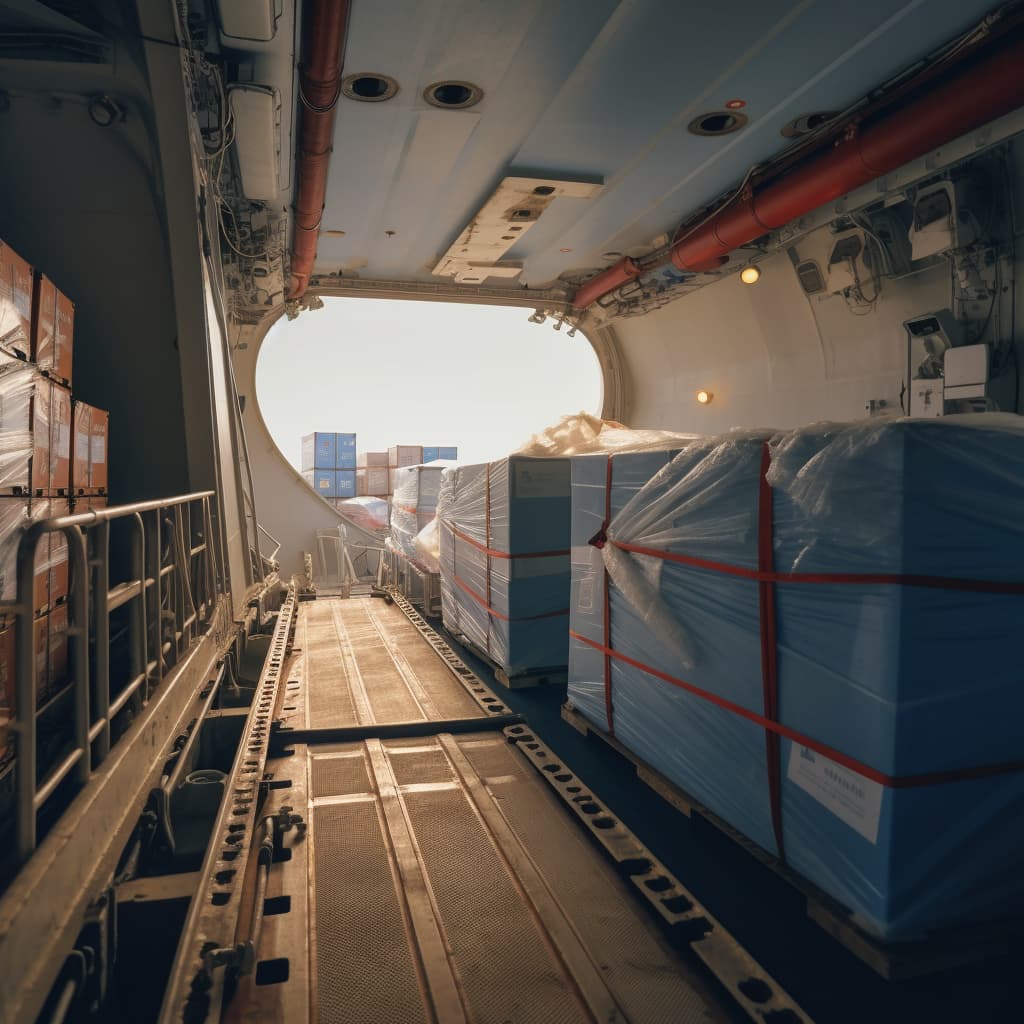

- Compliance with food safety regulations: We have a deep understanding of food safety regulations and work closely with our customers to ensure that all requirements are met.
- Customized packaging solutions: We can provide customized packaging solutions to protect your products during transport and ensure that they arrive in excellent condition.
- Efficient and reliable delivery: Our logistics experts use the latest technology and industry best practices to ensure that your products are delivered on time and in excellent condition.
- Tracking and monitoring: We provide real-time tracking and monitoring of your shipments, so you can have complete visibility into their progress at all times.
Whether you need to transport perishable foods, beverages, or other food-related products, we have the expertise and experience to get the job done right. Our team is dedicated to providing exceptional service and ensuring that your products arrive safely and on time.

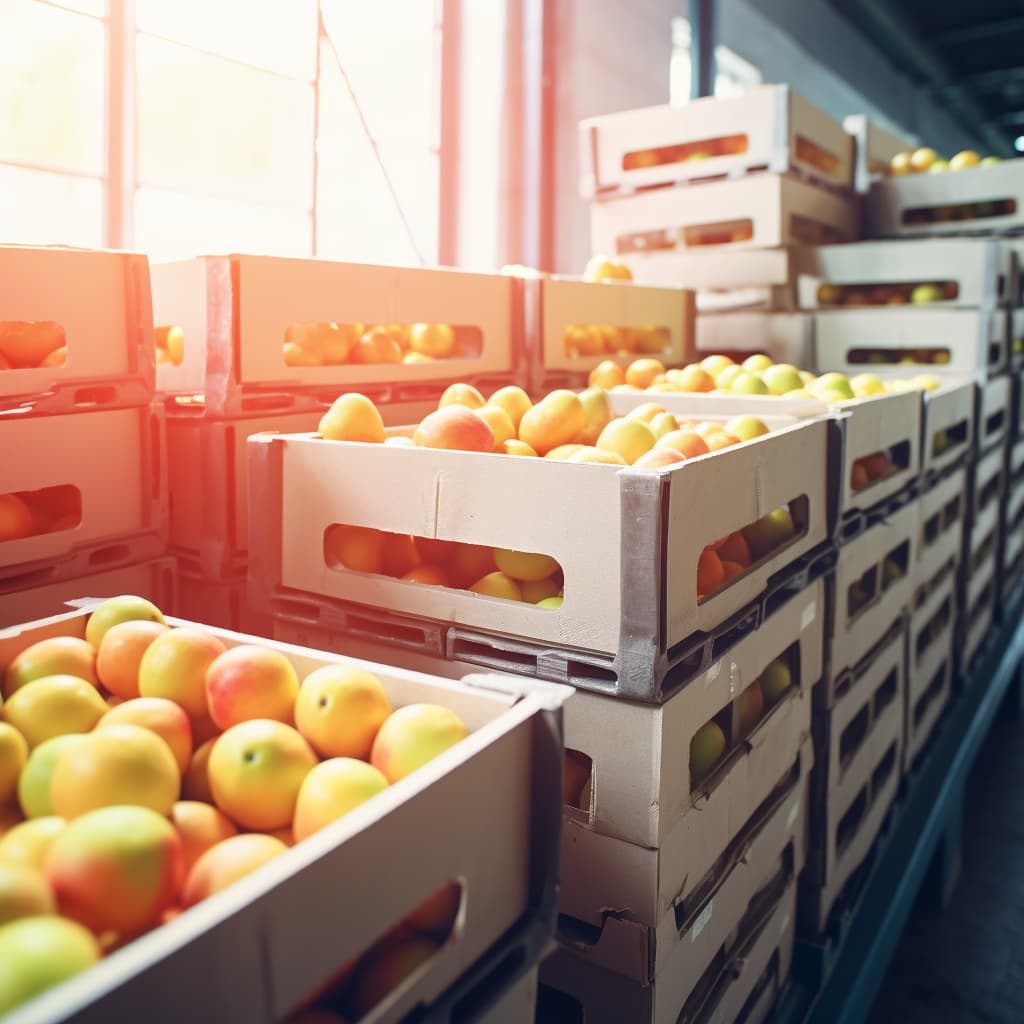
Comprehensive storage solutions for dry, fresh & frozen goods
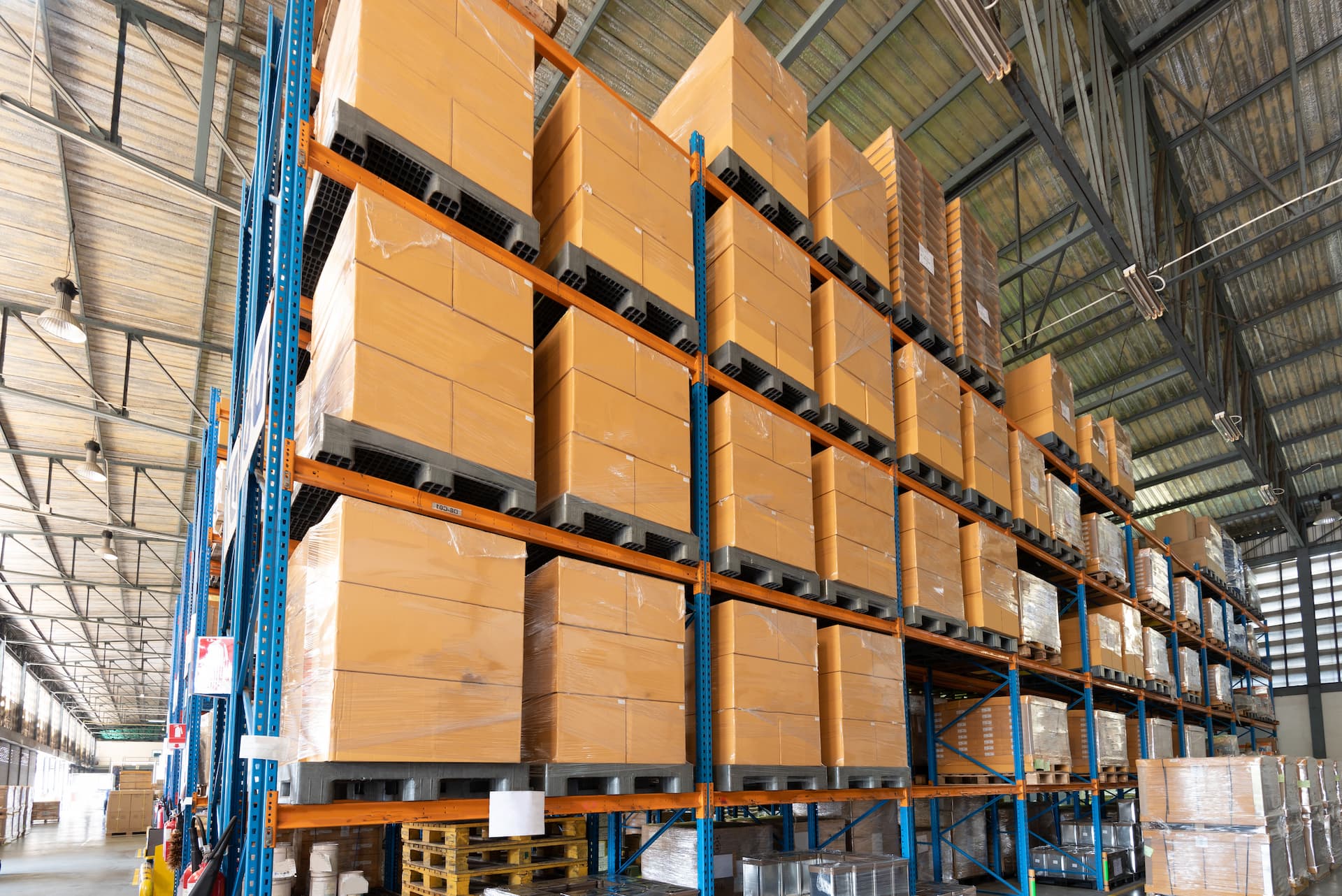
Interworld Freight now offers a unified logistics service for all types of food and beverage products, including dry, ambient, refrigerated, and frozen storage. With 300,000 sq ft of warehouse space in our Miami building, we are equipped to manage bonded, FTZ, and customs-cleared inventory with maximum efficiency.
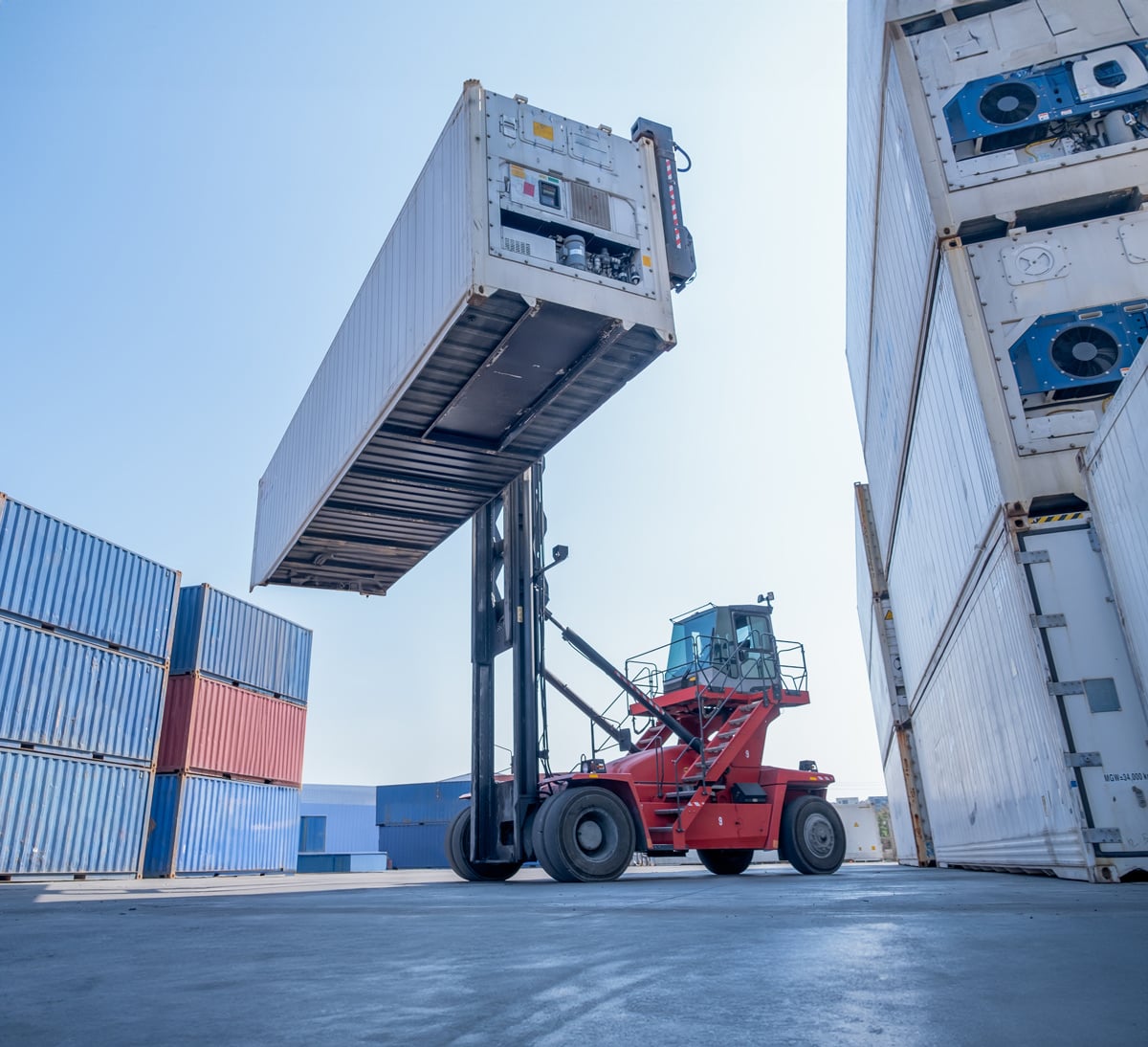
Dry, chilled and frozen food freight under one operator
Food and beverage services we run in house
How our food & beverage freight forwarding works, from quote to delivery
Send the commodity and the setpoint
Export certificates prepared
Customs and FDA prior notice
In transit, tracked live
Delivered, case closed

Ready to price your food & beverage shipment?
What we handle for the food & beverage industry
Food & beverage warehousing and storage, minutes from PortMiami
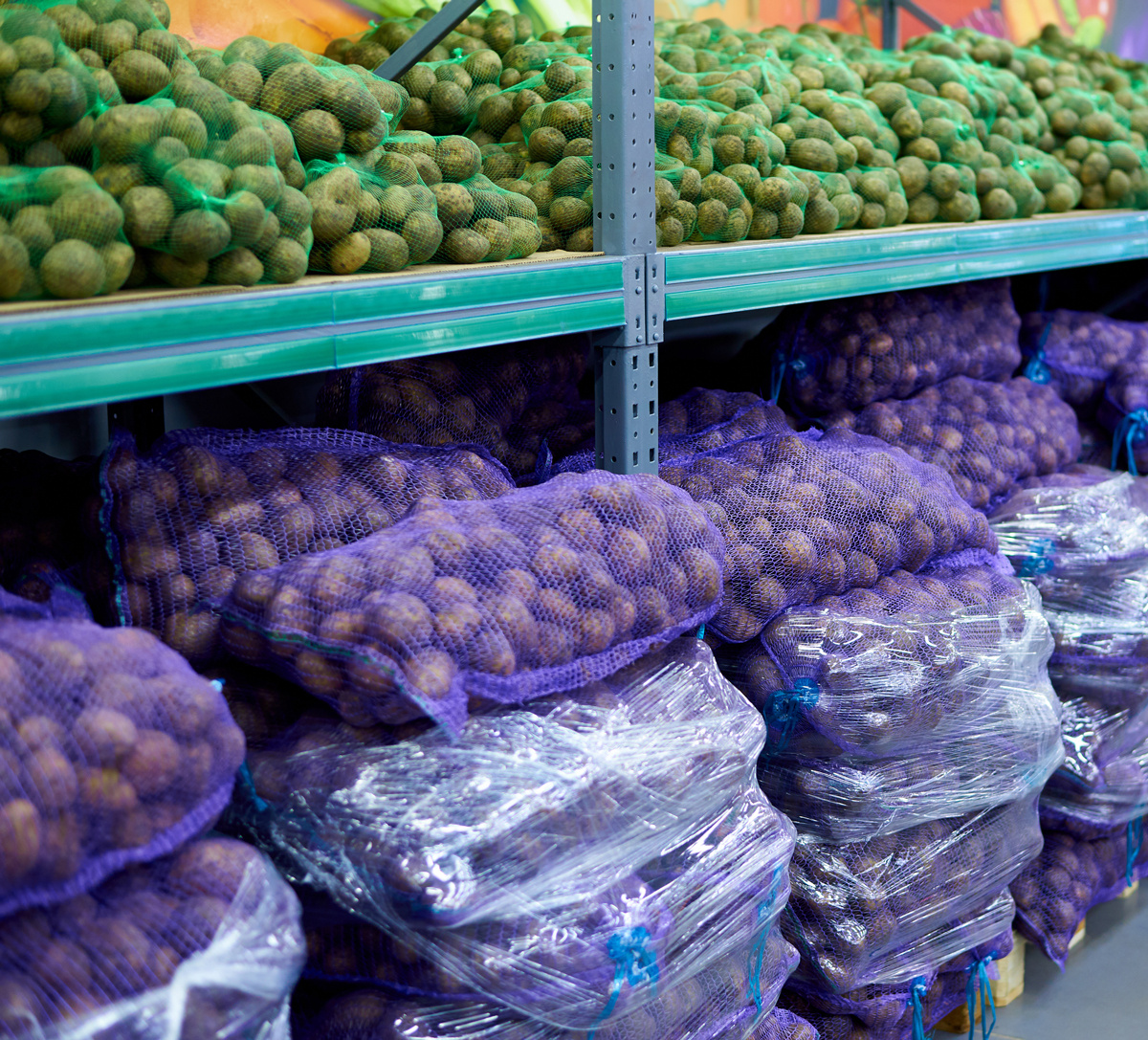
Certified to handle it
What we hold for you
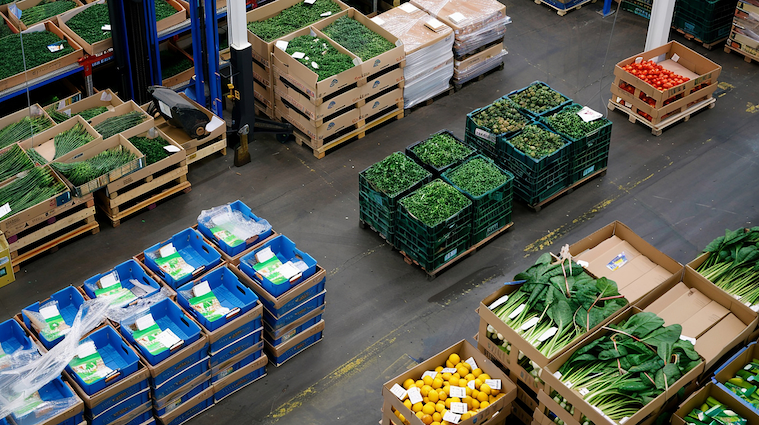
Frozen and chilled
Dry and shelf-stable
Beverages and bulk liquids
Why Interworld Freight for food & beverage logistics
Why food & beverage shippers choose Interworld Freight
Sector compliance
Documentation and handling to the standards your commodity demands.The right equipment
From dry vans to temperature-controlled and specialized units, matched to the cargo.Customs handled
We manage customs clearance and paperwork at origin and destination.One accountable partner
A single advisor owns your shipment across air, ocean and road.Other industries we serve





Clients who ship with us every week
Food & beverage logistics: frequently asked questions
Request your food & beverage freight quote