
LCL from China · Weekly departures
LCL shipping from China to Dominican Republic
Consolidated LCL ocean freight from China to the Dominican Republic: pay only for the cubic meters you use, with customs handled at destination.
4.5 on Google · 190+ reviews
Since 1992
Weekly departures
No volume minimum
Door to door

All-in total
USD
Non-binding price. Subject to space and equipment availability and to the commercial offers in force at the time of booking. A better price is often available by talking directly to sales.
Volume (CBM)
Weight (kg)
Incoterm
Transit
Valid until
Reference
We have emailed the full breakdown to .
Request received
Your shipment is with our FCL team
A sales executive contacts you the same business day with rate, carrier and next sailing.
Containers
Weight per container (kg)
Commodity
Incoterm
Reference
- 1We check space and equipment for your lane with our ocean carriers.
- 2Your executive contacts you with rate, carrier and next sailing.
- 3If the proposal works for you, we book your container and coordinate pickup and documents.
We have emailed the confirmation to .
Certifications & memberships



How much does LCL from China to the Dominican Republic cost?
Small shipments (1 to 3 CBM)
Per CBM
$85 to $140
Indicative LCL rate per cubic meter from China to the Dominican Republic, confirmed with your cargo details within one business day.
Mid-sized shipments (3 to 10 CBM)
Per CBM
$70 to $110
Indicative LCL rate per cubic meter from China to the Dominican Republic, confirmed with your cargo details within one business day.
Volume. LCL is priced per cubic meter (CBM); the rate per CBM drops as the shipment grows.
Origin port. Shanghai, Shenzhen and Ningbo run different consolidation schedules and costs.
Destination charges. CFS handling, duties and taxes at destination are part of the landed cost.
Request a quote
A customized quote for your cargo and budget. Reply within one business day.
LCL from China to the Dominican Republic, run by one accountable team
LCL shipping lets Dominican importers pay only for the cubic meters they use, far more affordable than booking a partial container. Interworld Freight consolidates at major Chinese hubs with weekly departures, no volume minimums, and full documentation support.
Cost efficiency
Pay per CBM, not for empty container space.
Flexibility
Ship as little as 0.5 CBM with no minimum volume commitment.
Reliable routing
Weekly departures from Shanghai, Yantian, and Ningbo.
Full consolidation
One house bill of lading regardless of how many Chinese suppliers contributed.
WCA founding member
IATA and CTPAT certified, WCAworld Best Partner 2022, with 350+ people in 4 own offices.
LCL options from China to the Dominican Republic
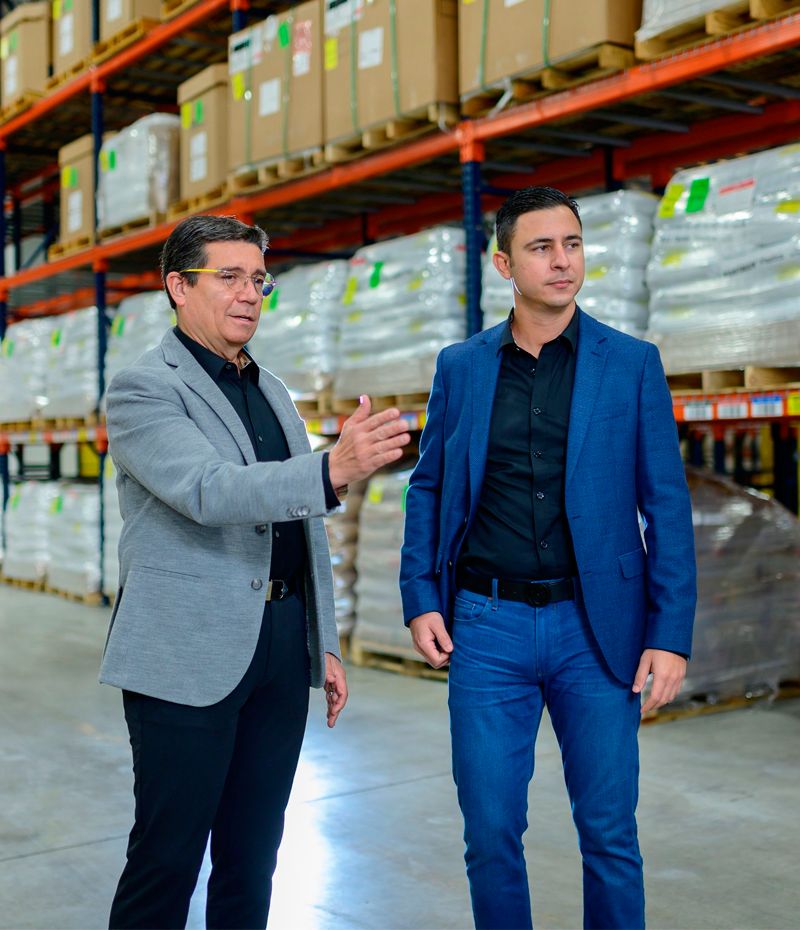
Interworld Freight provides reliable and cost-efficient LCL (Less than Container Load) ocean freight services from China to the Dominican Republic. Whether you’re bringing in consumer electronics, garments and textiles, or motorcycles and spare parts, our consolidation solutions ensure on-time delivery to Caucedo and Haina.
Standard LCL. Cost-effective option with 28 to 38-day transit from major Chinese origins.
Priority LCL. Earlier consolidation cutoffs and preferred vessel selection for time-sensitive cargo.
Door-to-door LCL. Factory pickup in China through delivery at your Dominican Republic address, customs handling included.
Best suited for: Consumer electronics: Smartphones, LED lighting, and audio equipment from Shenzhen and Shanghai.; Garments and textiles: Apparel, fabrics, and footwear for retail and free-trade zone operations.; Motorcycles and spare parts: Among the top China-to-DR imports, well-suited to LCL below full-container volumes.; Construction materials: Ceramic tiles, PVC fittings, and hardware for the Dominican construction sector.
Tracking and support. Interworld Freight provides house bill of lading tracking from origin CFS through arrival at Caucedo or Haina, with full visibility at every leg. Our team coordinates with consolidation partners in Shanghai, Yantian, and Ningbo, and with licensed Dominican customs brokers to keep your shipment on track. Receive automated updates at vessel departure, transshipment, port arrival, and customs clearance.

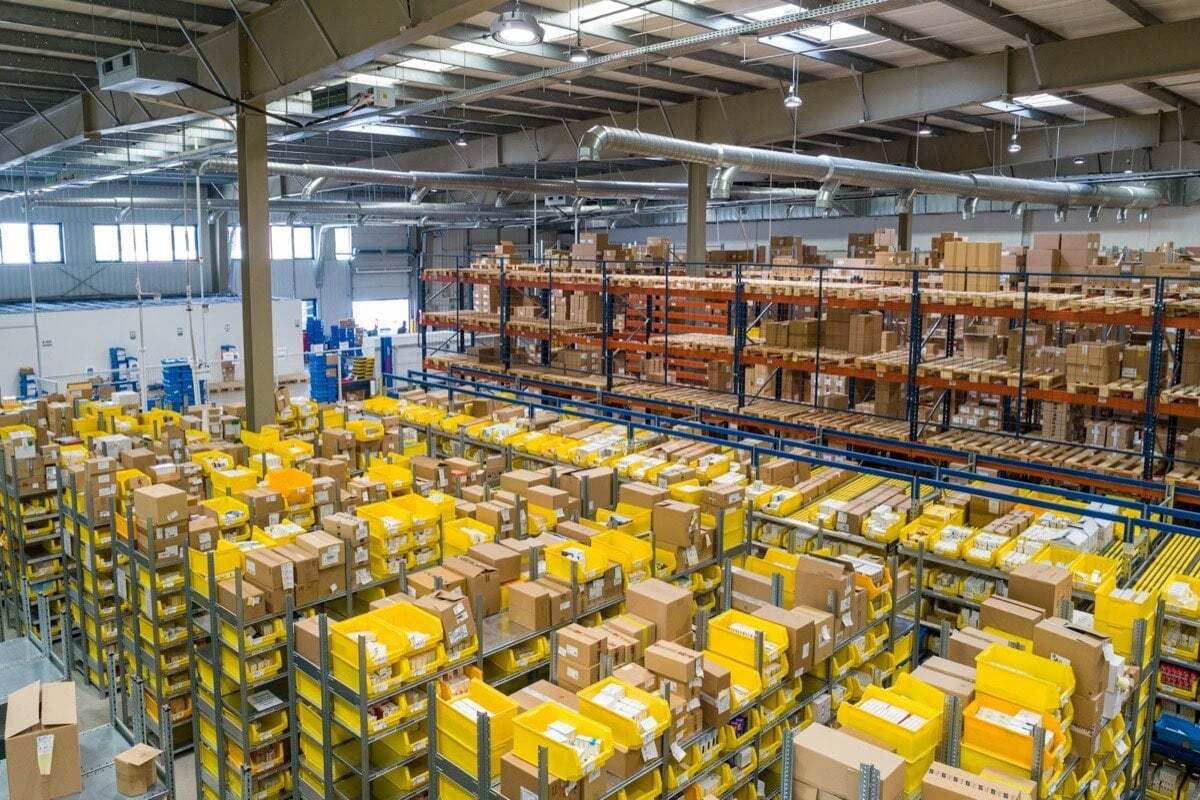
Buying from several suppliers? We consolidate all of them under one shipment and one set of documents.
How to ship LCL from China to the Dominican Republic
1
Quote your cargo. Send volume (CBM), weight and commodity; we confirm the rate and next consolidation within one business day.
2
We receive it in China. Your supplier delivers to our consolidation point, or we collect at the factory.
3
Sail and clear customs. We issue the bill of lading, consolidate, ship and handle clearance at destination.
How long does LCL from China to the Dominican Republic take?
We confirm the next available sailing and your route's exact transit when you request a quote.
From Shanghai
30-38 days
From Shenzhen (Yantian)
28-34 days
Ports in the Dominican Republic for LCL cargo from China
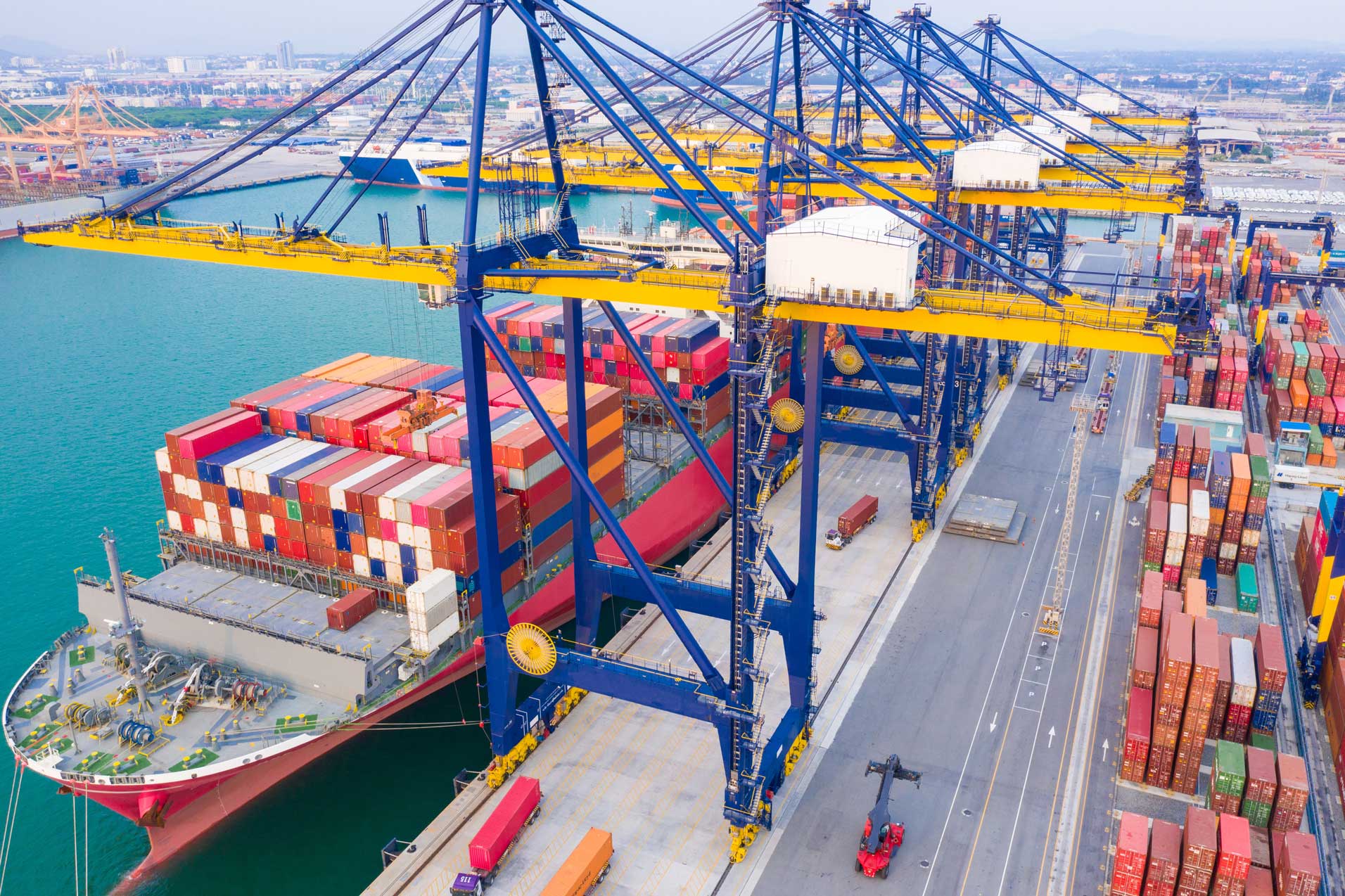
The ports where consolidated cargo from China arrives, with deconsolidation and customs clearance coordinated at each one.
DP World Caucedo
East of Santo Domingo, Caucedo is the country’s largest container terminal and main arrival point for Asian LCL imports, with a dedicated CFS for deconsolidation.
LCL · Customs clearance
Port of Haina
West of Santo Domingo, Haina’s two terminals (Haina Oriental and Haina Occidental) serve importers near the capital’s wholesale and distribution districts.
LCL · Customs clearance
Customs requirements for LCL imports to the Dominican Republic
All imports must comply with Dirección General de Aduanas (DGA) regulations.
Requirements and documents
Documentation.Commercial invoice, packing list, bill of lading, and certificate of origin where applicable.
Duties and taxes.ITBIS (VAT) at 18% plus tariffs of 0% to 20% by HS code; CAFTA-DR may reduce duties on eligible goods.
How to prepare your shipment
1
Proper packaging. Export-grade cartons or pallets with moisture-resistant materials for the Caribbean climate.
2
Labeling. Consignee name, destination port, HS code, country of origin, and weight/dimensions on each package.
3
Weight and dimensions. Submit accurate measurements at least 5 business days before the origin CFS cut-off.
4
Compliance check. Invoice values must match the packing list; DGA flags any discrepancy.
Prohibited and restricted items
Used clothing (ropa usada)Certain chemicalsFirearms without permits
Tell us what you ship and we confirm permits and restrictions before booking.
More about LCL from China to the Dominican Republic
Estimated LCL shipping costs from China to Dominican Republic
Shipping costs vary depending on cargo volume, origin port, and market conditions.
No-commitment quote · Reply within one business day
Ready to price your LCL from China to the Dominican Republic?
Rate and next consolidation confirmed within one business day, with a clear breakdown from the first email: no surprises, no fine print.
30,000+TEUs / year
4.5Mair kg / year
350+employees
Quote your cargo today
4.5 · 190+
Consolidating cargo from China to the Dominican Republic. An advisor confirms rate, departure and documents.
Get a quote to the Dominican Republic
Talk to an expert
or call +1 (646) 722-0968
LCL routes from China to the Dominican Republic
Consolidation lanes from the main Chinese ports.
From China to the Dominican Republic
ShanghaiCaucedo
Highest-frequency lane for Dominican LCL imports, with 30 to 38-day transit via Panama Canal routing
Shenzhen (Yantian)Caucedo
Preferred for Pearl River Delta electronics and garments, with 28 to 34-day transit
NingboHaina
Strong option for construction materials and industrial goods from Zhejiang province
More ways to ship to the Dominican Republic
LCL from China to the Dominican Republic for specific industries
Industry programs with the documentation and handling each commodity demands.
LCL from China to nearby destinations


LCL from China to all our Caribbean destinations
Caribbean
LCL to Antigua and BarbudaLCL to ArubaLCL to the BahamasLCL to BarbadosLCL to the British Virgin IslandsLCL to the Cayman IslandsLCL to CuraçaoLCL to DominicaLCL to GrenadaLCL to Saint Kitts and NevisLCL to Saint LuciaLCL to Saint Vincent and the GrenadinesLCL to Sint MaartenLCL to Trinidad and TobagoLCL to the U.S. Virgin IslandsLCL from China to the Dominican Republic: frequently asked questions
Request your LCL quote from China to the Dominican Republic
Tell us what you buy in China and where your suppliers are. An advisor replies within one business day with your rate, next consolidation and the documents you need.
9601 NW 112th Ave, Miami, FL 33178
Documents we prepare for you
Bill of lading (BL) · Commercial invoice · Packing list

Talk to a person, not a bot
Daniel Zapata · Operations Director
Dani prices your lane himself and confirms rate, sailing and documents, in English or Spanish. Answered by him, not a machine.
4.5 / 5
190+ reviews on Google. Exporters and importers already moving their cargo with Interworld.
Certifications & memberships




Global freight forwarder headquartered in Miami since 1992. Ocean, air and road freight, warehousing and container shipping worldwide.
Dominican Republic
Spring Center Plaza, suite 701, Arroyo Hondo, Distrito Nacional