Freight Forwarding to the Bahamas
Every way to ship to the Bahamas, one freight forwarder
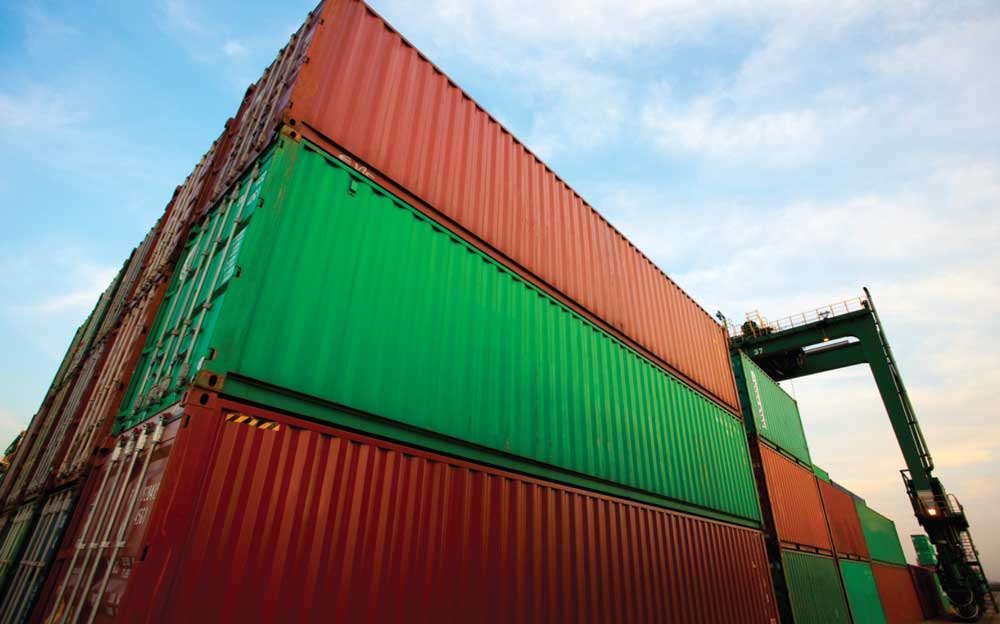
Container shipping to the Bahamas
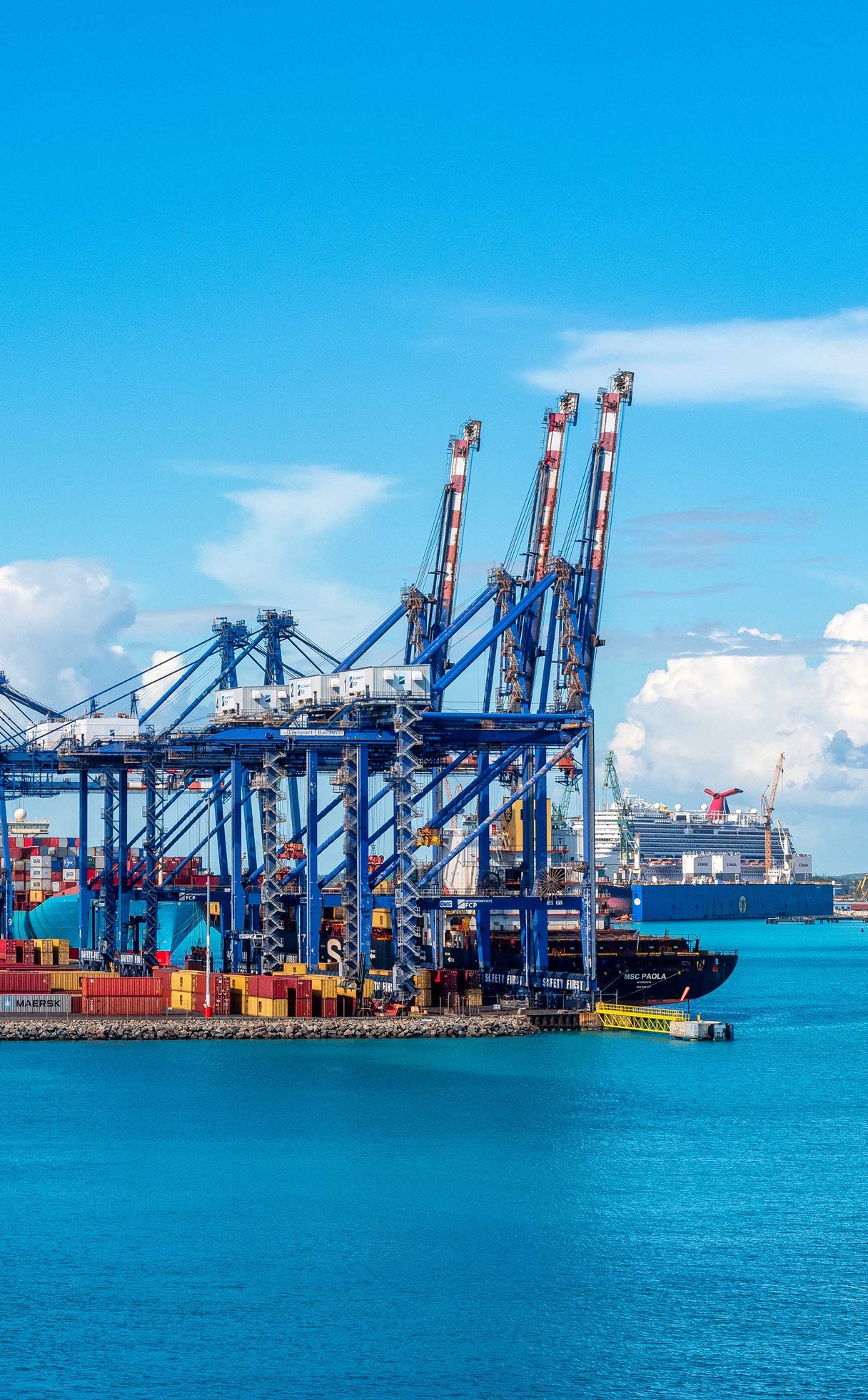
Ocean freight to the Bahamas

Air freight to the Bahamas

RoRo shipping to the Bahamas
Door-to-door programs

Door to door to the Bahamas

Household moving to the Bahamas

Event logistics in the Bahamas
Shipping lanes to the Bahamas from Florida and China


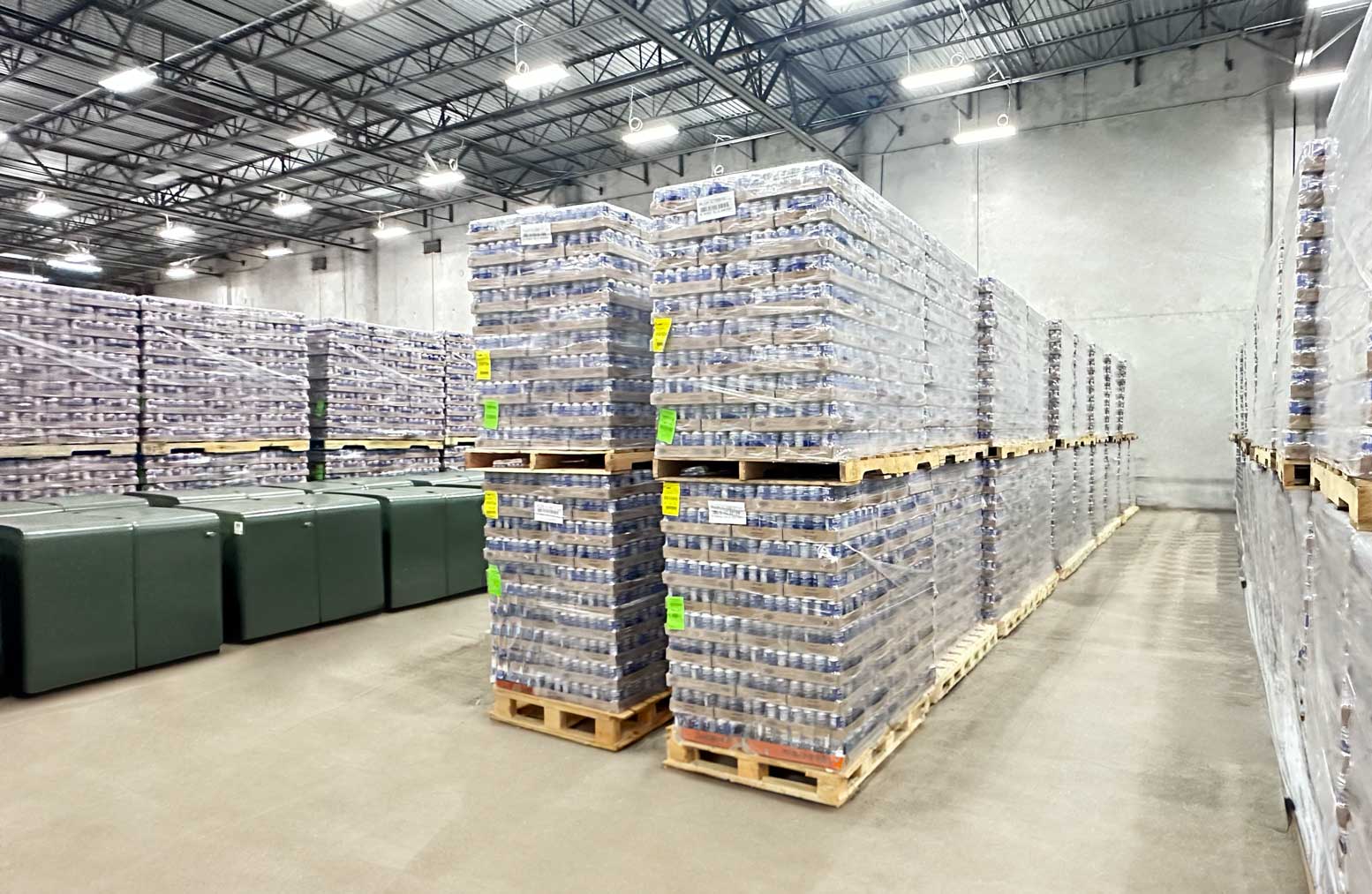
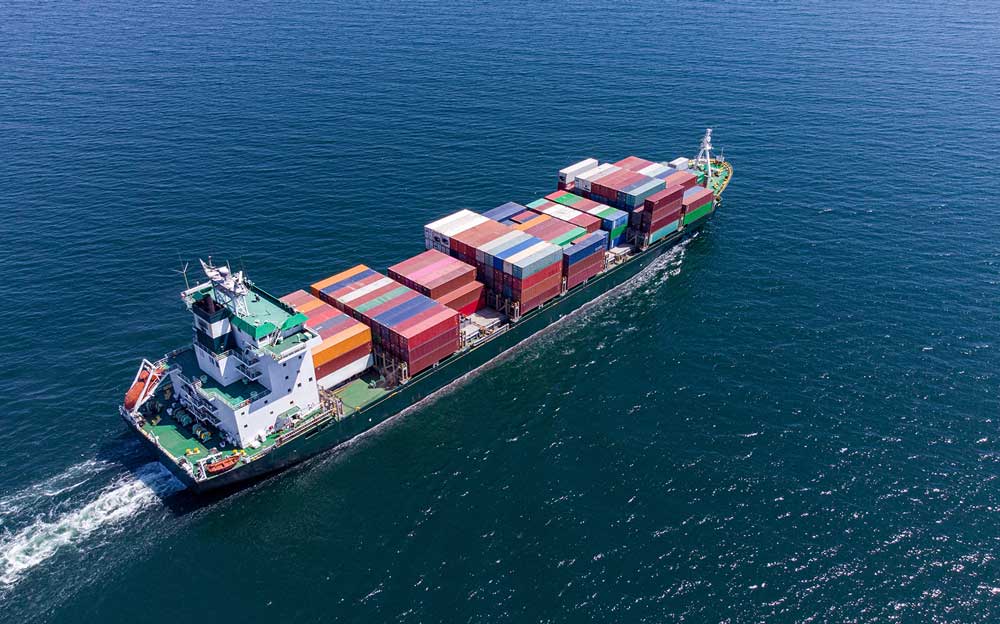
Ocean, air or RoRo: which fits your Bahamas shipment?

Not sure which mode fits?
Container options on the Florida lanes
FCL: full container load
LCL: less than container load
RoRo: roll-on/roll-off
Breakbulk
Freight forwarder for Nassau, Freeport and the out islands
Interworld Freight moves cargo to the Bahamas from our Miami headquarters, with ocean, air and RoRo service to Nassau, Freeport and Marsh Harbour and door-to-door delivery in nine Bahamian towns.
Nassau Container Port at Arawak Cay, on New Providence, is the principal commercial gateway. Freeport Container Port on Grand Bahama is a deep-water facility serving the Freeport Free Trade Zone, and Marsh Harbour, in the Abaco Islands, is the shipping point for goods going to the northern Bahamas.
Cargo for the out islands usually reaches Nassau first and continues on inter-island freight boats: an extra leg, with its own transit and handling, to plan for when your delivery point is not New Providence or Grand Bahama.
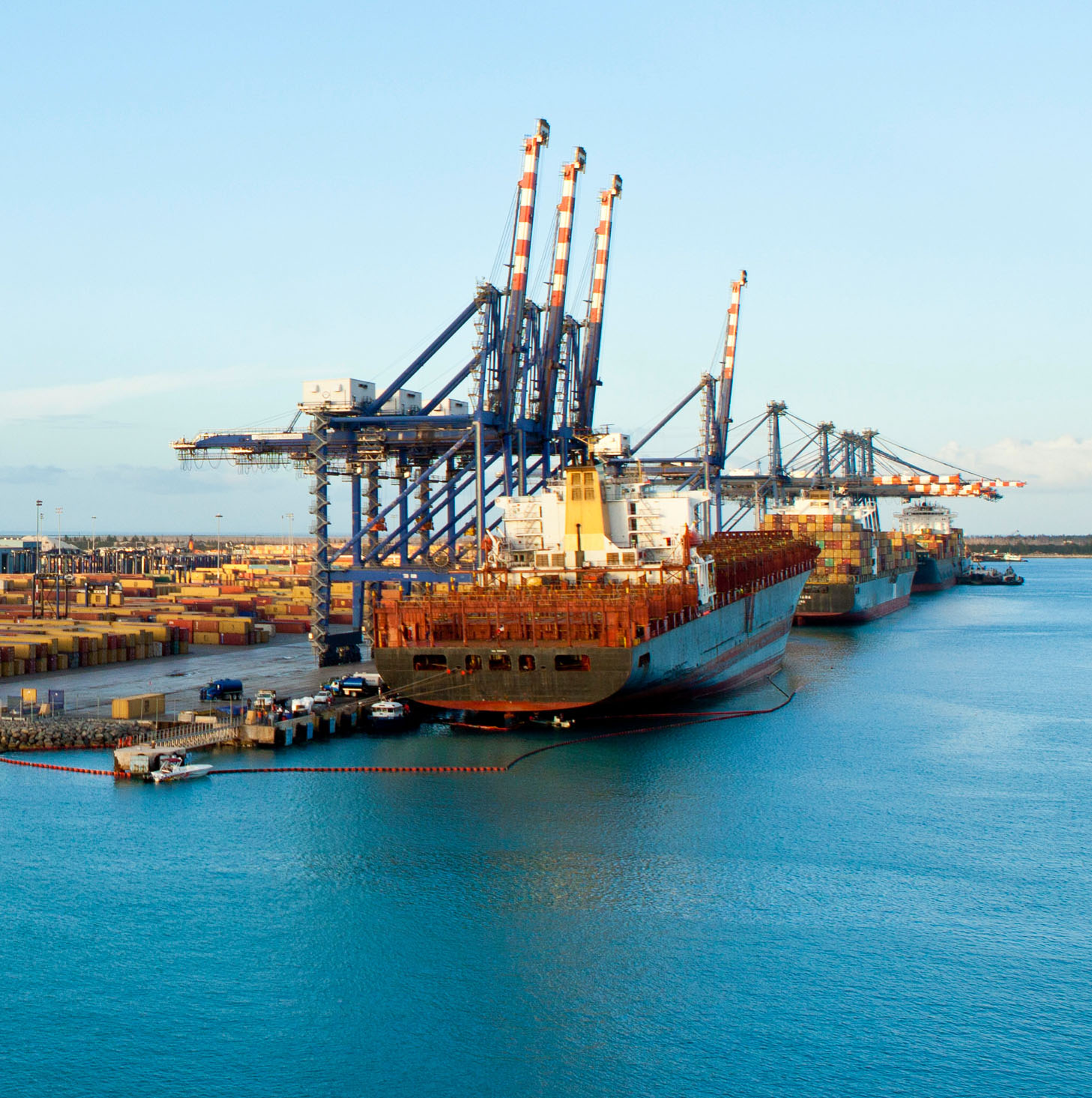
22 points we connect on the Bahamas lanes
Door-to-door towns 9
Seaports 4
Cargo airports 3
Origins 6
Bahamas customs clearance, handled before your cargo lands
Core documents
Duty on the CIF value
VAT and levies
Restricted goods
Licensed customs broker
Vehicles, moves and events
Bahamas shipping guides
More than 30 years moving cargo worldwide
Founded in Miami in 1992, Interworld Freight moves cargo to five continents, ranks among the leading NVOCCs on the US–Latin America trade and was a founding member of the World Cargo Alliance, hosting its first meetings in our Miami offices in 1999 and 2000.

World Cargo Alliance
Founding member since 1999WCAworld Best Partner 2022
North America award
IATA accredited
Cargo agent accredited by the International Air Transport Association
CTPAT certified
U.S. CBP supply chain security programHow freight forwarding to the Bahamas works
Request a quote
Pickup at origin
Freight & customs
Delivered in the Bahamas
Delivered & tracked

Ready to ship to the Bahamas?
What shippers say about Interworld Freight
Freight forwarding to the Bahamas, answered
Quote your Bahamas freight