
LCL from China · Weekly departures
LCL shipping from China to Aruba
Consolidated LCL ocean freight from China to Aruba: pay only for the cubic meters you use, with customs handled at destination.
4.5 on Google · 190+ reviews
Since 1992
Weekly departures
No volume minimum
Door to door

All-in total
USD
Non-binding price. Subject to space and equipment availability and to the commercial offers in force at the time of booking. A better price is often available by talking directly to sales.
Volume (CBM)
Weight (kg)
Incoterm
Transit
Valid until
Reference
We have emailed the full breakdown to .
Request received
Your shipment is with our FCL team
A sales executive contacts you the same business day with rate, carrier and next sailing.
Containers
Weight per container (kg)
Commodity
Incoterm
Reference
- 1We check space and equipment for your lane with our ocean carriers.
- 2Your executive contacts you with rate, carrier and next sailing.
- 3If the proposal works for you, we book your container and coordinate pickup and documents.
We have emailed the confirmation to .
Certifications & memberships



How much does LCL from China to Aruba cost?
Small shipments (1 to 3 CBM)
Per CBM
$180 to $260
Indicative LCL rate per cubic meter from China to Aruba, confirmed with your cargo details within one business day.
Mid-sized shipments (3 to 10 CBM)
Per CBM
$140 to $200
Indicative LCL rate per cubic meter from China to Aruba, confirmed with your cargo details within one business day.
Volume. LCL is priced per cubic meter (CBM); the rate per CBM drops as the shipment grows.
Origin port. Shanghai, Shenzhen and Ningbo run different consolidation schedules and costs.
Destination charges. CFS handling, duties and taxes at destination are part of the landed cost.
Request a quote
A customized quote for your cargo and budget. Reply within one business day.
LCL from China to Aruba, run by one accountable team
Booking a full container from China to Aruba rarely makes sense for small and mid-size importers. LCL lets you pay only for the cubic meters you actually occupy, ship smaller and more frequent orders, and keep inventory lean. Interworld Freight’s consolidated service gives Aruban importers access to the same reliable ocean routing used by large-volume shippers, without requiring full-container minimums or long inventory cycles.
Cost efficiency
Freight charges are billed per CBM, so you never pay for empty space inside a container.
Flexibility
Order smaller quantities more often to match Aruba’s seasonal hospitality demand without overstocking.
Reliable routing
Established consolidation services from Shanghai, Shenzhen, and Ningbo connect to Caribbean transshipment hubs on regular weekly cycles.
Full consolidation
Interworld can combine cargo from multiple Chinese suppliers under one Bill of Lading, reducing documentation complexity and per-unit costs.
WCA founding member
IATA and CTPAT certified, WCAworld Best Partner 2022, with 350+ people in 4 own offices.
LCL options from China to Aruba
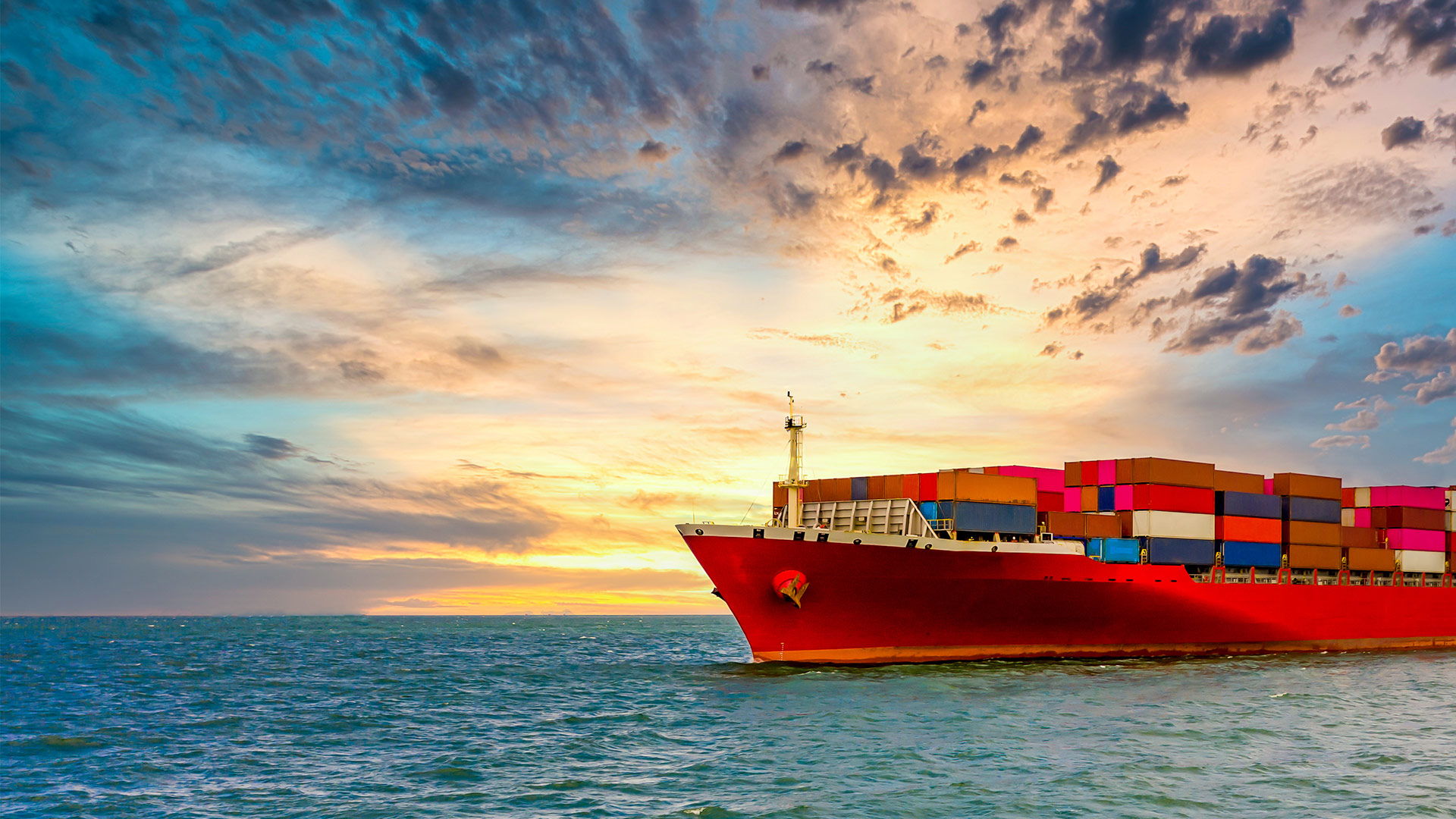
Aruba’s resort economy runs on a continuous flow of Chinese imports, from hotel furnishings to construction materials, yet most businesses never fill an entire container. Interworld Freight’s LCL service consolidates your cargo with compatible freight at origin, routes it through established Caribbean transshipment hubs, and delivers it to the Barcadera Container Terminal with full documentation and customs coordination included.
Standard LCL. Most cost-effective option, consolidated with compatible cargo on regular weekly sailings. Transit from Chinese port cut-off to Barcadera runs approximately 33 to 40 days via Cartagena or Caucedo transshipment.
Priority LCL. Faster consolidation cut-off with preferred vessel allocation. Transit can be reduced to approximately 28 to 35 days for time-sensitive shipments.
Door-to-door LCL. Inland pickup at the Chinese factory included, with delivery coordinated to the consignee’s address in Aruba after customs clearance at Barcadera.
Best suited for: Hospitality supplies: Hotel furniture, linens, kitchen equipment, and resort fixtures move steadily given Aruba’s active tourism sector.; Construction materials: Tiles, plumbing fixtures, and hardware align with ongoing hotel renovation and residential development projects across the island.; Consumer electronics: Appliances and electronics for local retail arrive year-round at volumes well suited to LCL.; Furniture and fixtures: Restaurant, retail, and residential furniture sourced from Chinese manufacturers is among the most common LCL commodity on this trade lane.
Tracking and support. Interworld Freight provides milestone-based tracking from cargo receipt at the Chinese CFS through transshipment at Cartagena or Caucedo to vessel arrival at Barcadera Container Terminal. You have visibility at each stage to coordinate customs clearance and inland delivery in advance. Our operations team is available to answer routing questions, confirm cut-off dates, and coordinate with your customs broker in Aruba throughout the transit. A dedicated contact handles your shipment from booking to cargo release. Automated notifications are sent at cargo receipt, vessel departure from China, transshipment arrival, and Barcadera vessel ETA. Alerts include demurrage deadlines and any inspection notices from the Departamento di Aduana Aruba, minimizing storage costs.
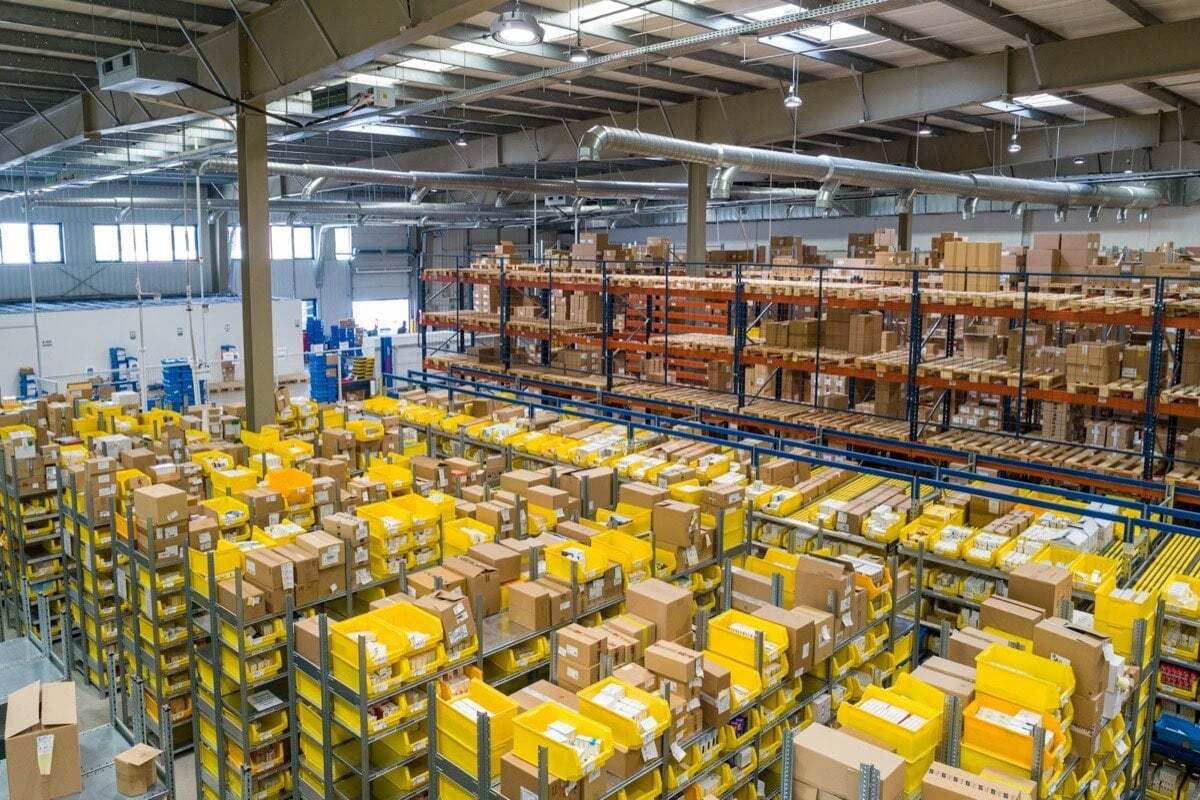
Buying from several suppliers? We consolidate all of them under one shipment and one set of documents.
How to ship LCL from China to Aruba
1
Quote your cargo. Send volume (CBM), weight and commodity; we confirm the rate and next consolidation within one business day.
2
We receive it in China. Your supplier delivers to our consolidation point, or we collect at the factory.
3
Sail and clear customs. We issue the bill of lading, consolidate, ship and handle clearance at destination.
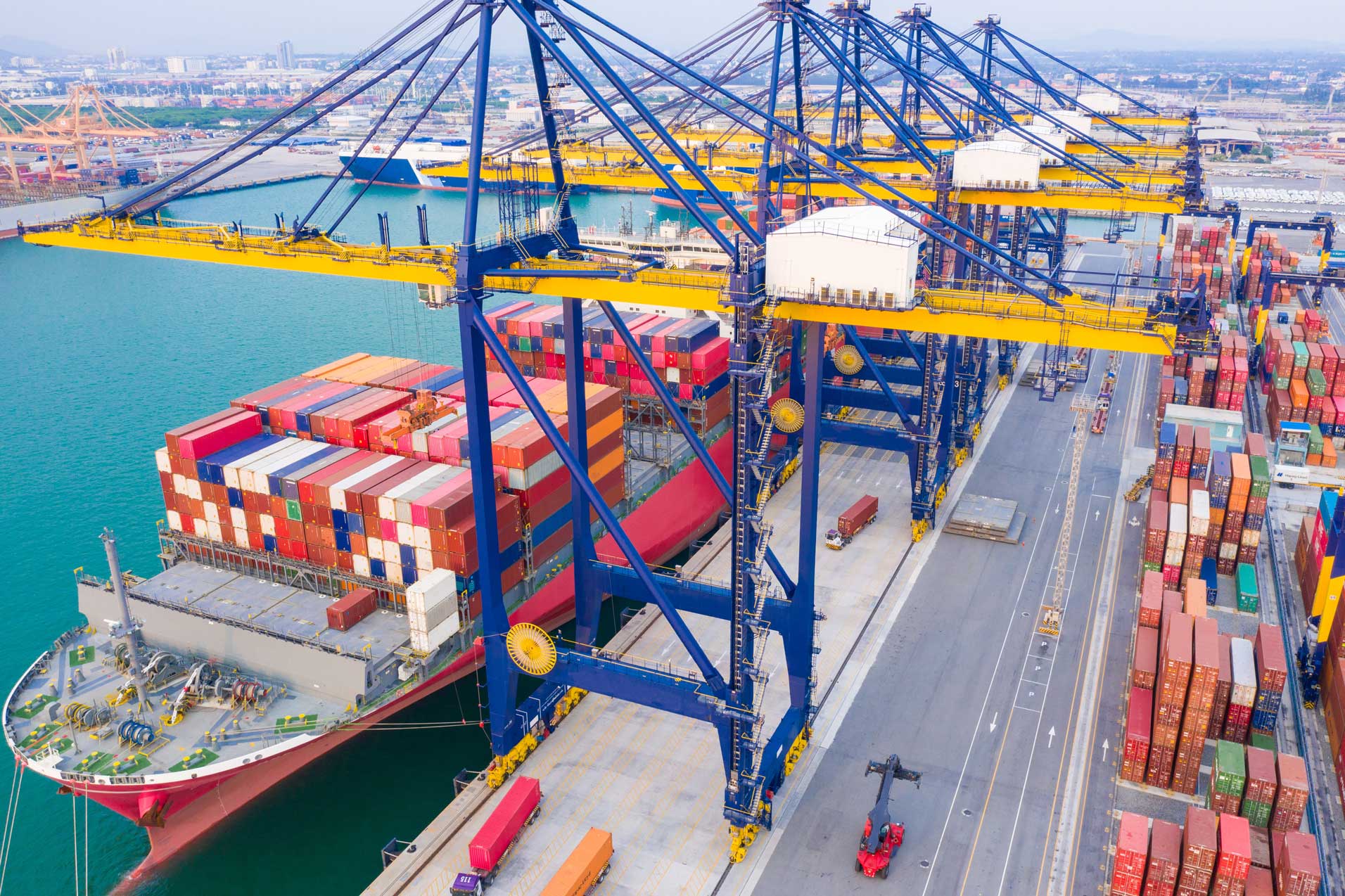
Ports in Aruba for LCL cargo from China
The ports where consolidated cargo from China arrives, with deconsolidation and customs clearance coordinated at each one.
Barcadera Container Terminal
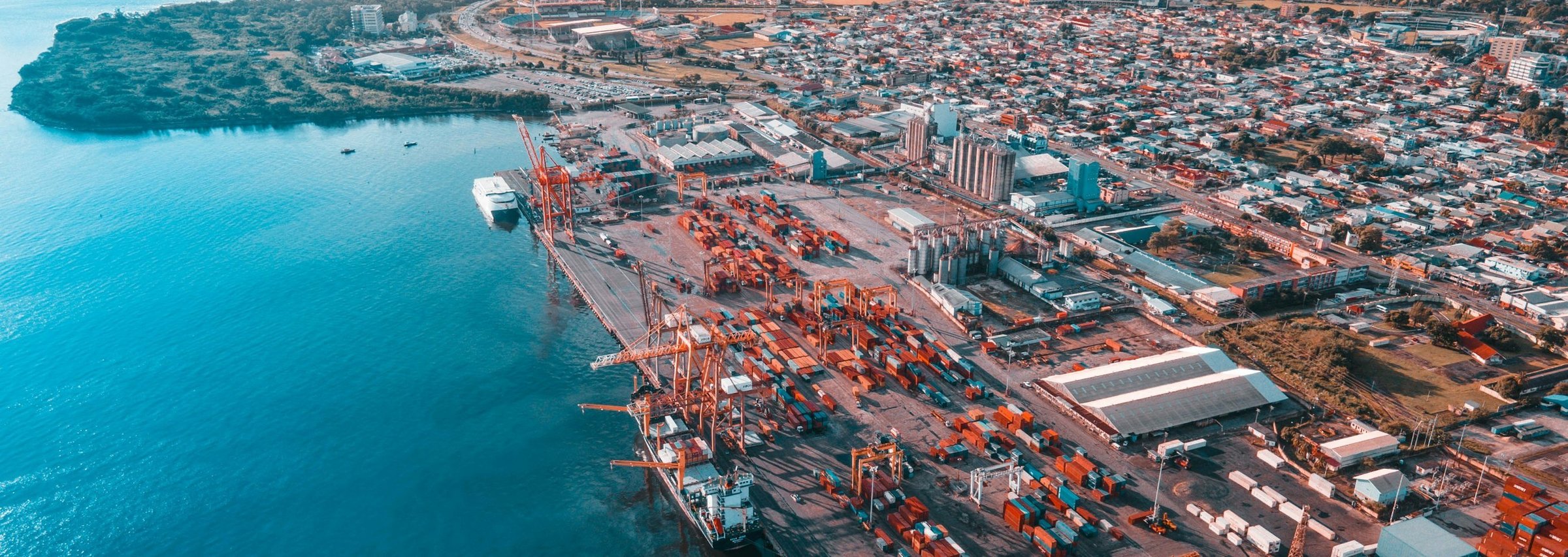
Aruba’s main container facility, operated by Caribbean Container Logistics on the island’s southeastern coast. All containerized LCL cargo from China is delivered here. The terminal provides efficient inland connectivity to Oranjestad and the Palm Beach hotel corridor.
LCL · Customs clearance
Port of Oranjestad
Historic port in Aruba’s capital, primarily serving cruise ships and breakbulk traffic. Containerized LCL shipments do not route through Oranjestad; all LCL cargo is directed to Barcadera.
LCL · Customs clearance
Customs requirements for LCL imports to Aruba
All imports must comply with regulations enforced by the Departamento di Aduana Aruba.
Requirements and documents
Documentation.A commercial invoice, packing list, and Bill of Lading are required for every LCL shipment. Certificates of origin must accurately reflect Chinese manufacture.
Duties and taxes.The BBO, BAZV, and BAVP levies combine for approximately 7% on the CIF value of most goods, plus import duties that vary by HS code. Vehicles and electronics may attract additional rates. Interworld works with licensed Aruban customs brokers for accurate tariff classification.
How to prepare your shipment
1
Proper packaging. All cargo must be palletized or crated to CFS standards. Fragile goods require inner bracing; oversized pieces must be pre-notified at booking.
2
Labeling. Each piece must be clearly marked with consignee name, destination port (Barcadera), and HS code or commodity description. Correct labeling avoids holds at the transshipment hub.
3
Weight and dimensions. Accurate CBM and gross weight figures are required at booking. Discrepancies discovered at the CFS can result in re-rating or cargo delays.
4
Compliance check. Confirm that your goods are not subject to import restrictions under Aruban customs regulations before your supplier hands cargo over to the CFS.
Prohibited and restricted items
FirearmsControlled substances
Tell us what you ship and we confirm permits and restrictions before booking.
More about LCL from China to Aruba
Estimated LCL shipping costs from China to Aruba
Rates vary with peak seasons around Chinese New Year and Q4 holiday demand. Contact Interworld Freight for a current quote based on your exact cargo dimensions, origin city, and commodity type.
No-commitment quote · Reply within one business day
Ready to price your LCL from China to Aruba?
Rate and next consolidation confirmed within one business day, with a clear breakdown from the first email: no surprises, no fine print.
30,000+TEUs / year
4.5Mair kg / year
350+employees
Quote your cargo today
4.5 · 190+
Consolidating cargo from China to Aruba. An advisor confirms rate, departure and documents.
Get a quote to Aruba
Talk to an expert
or call +1 (646) 722-0968
LCL routes from China to Aruba
Consolidation lanes from the main Chinese ports.
From China to Aruba
ShanghaiBarcadera
Weekly LCL consolidation from Yangshan and Waigaoqiao terminals with connections to Caribbean transshipment hubs. Primary gateway for most Aruba-bound LCL cargo
Shenzhen (Yantian)Barcadera
Serves the Pearl River Delta manufacturing corridor. Strong frequency and competitive rates for electronics, appliances, and consumer goods
NingboBarcadera
Key origin for construction supplies, textiles, and industrial goods. Reliable weekly LCL services with solid transshipment connections
More ways to ship to Aruba
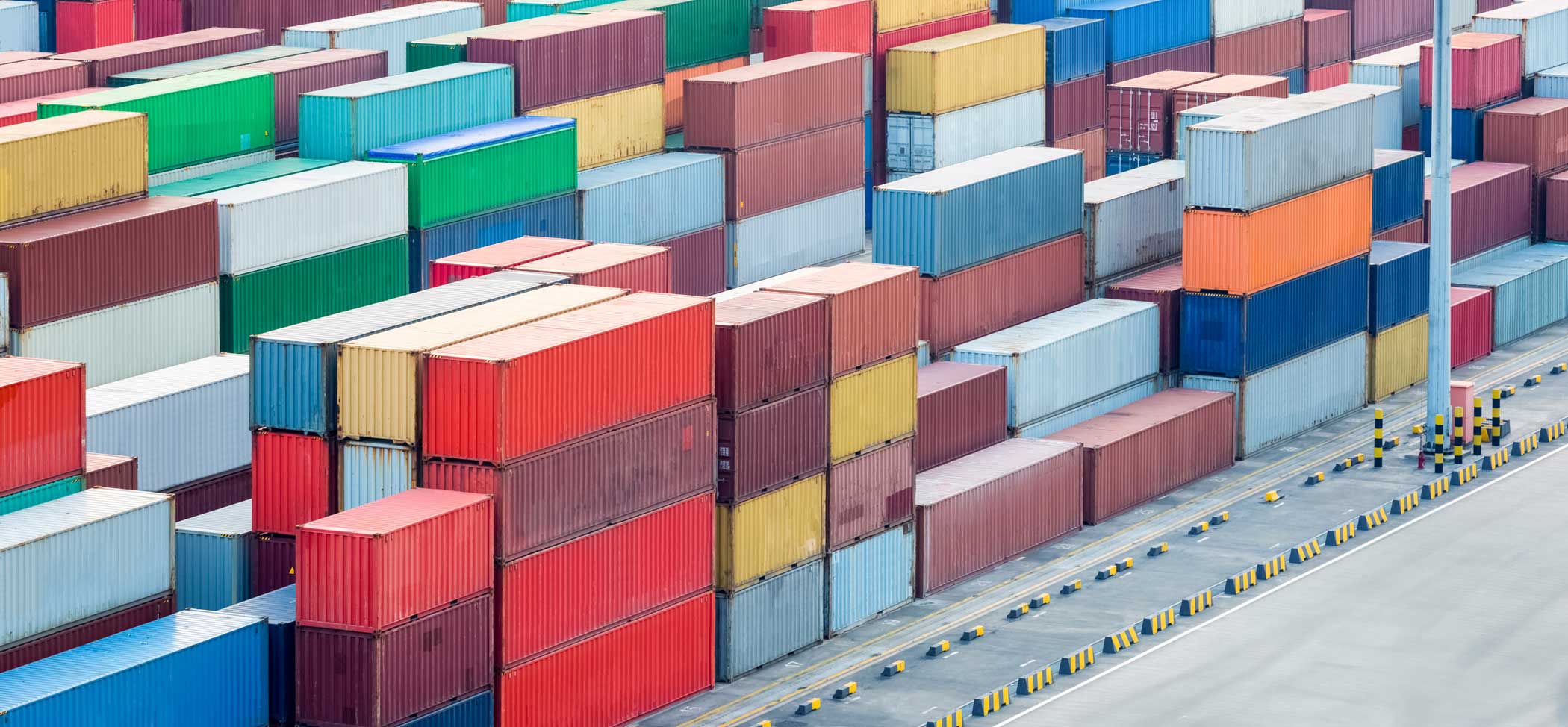
LCL from China to Aruba for specific industries
Industry programs with the documentation and handling each commodity demands.
LCL from China to nearby destinations
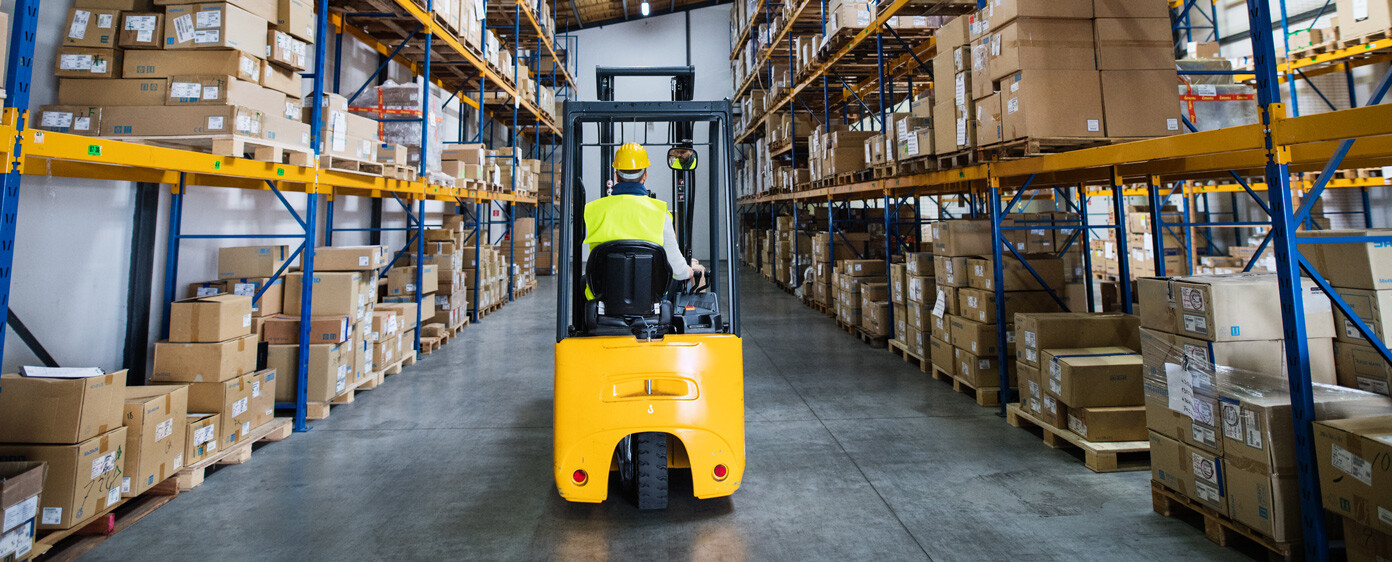
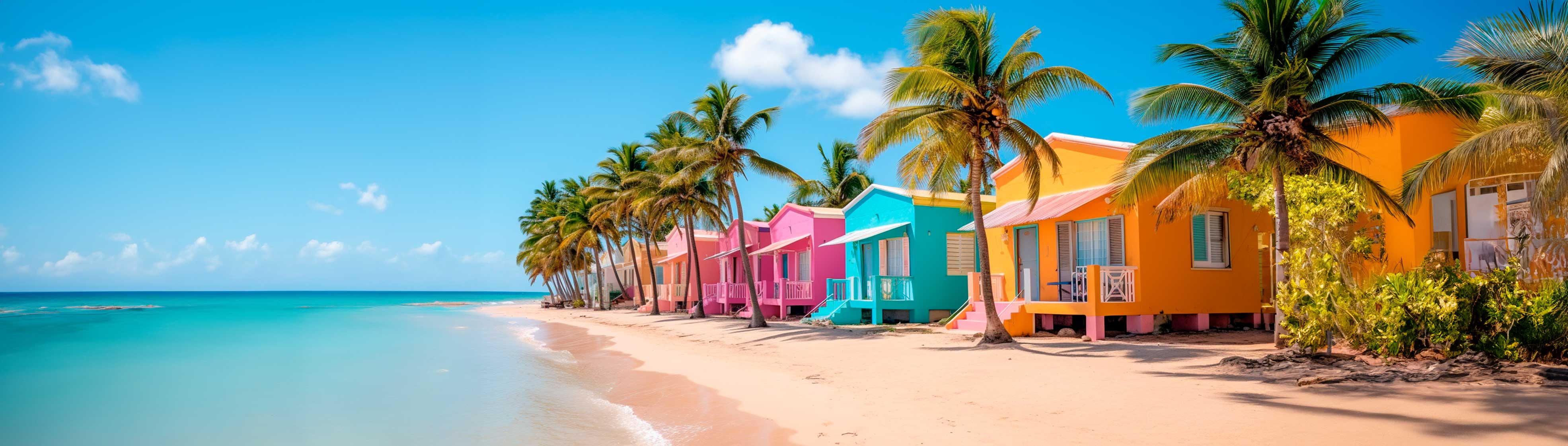
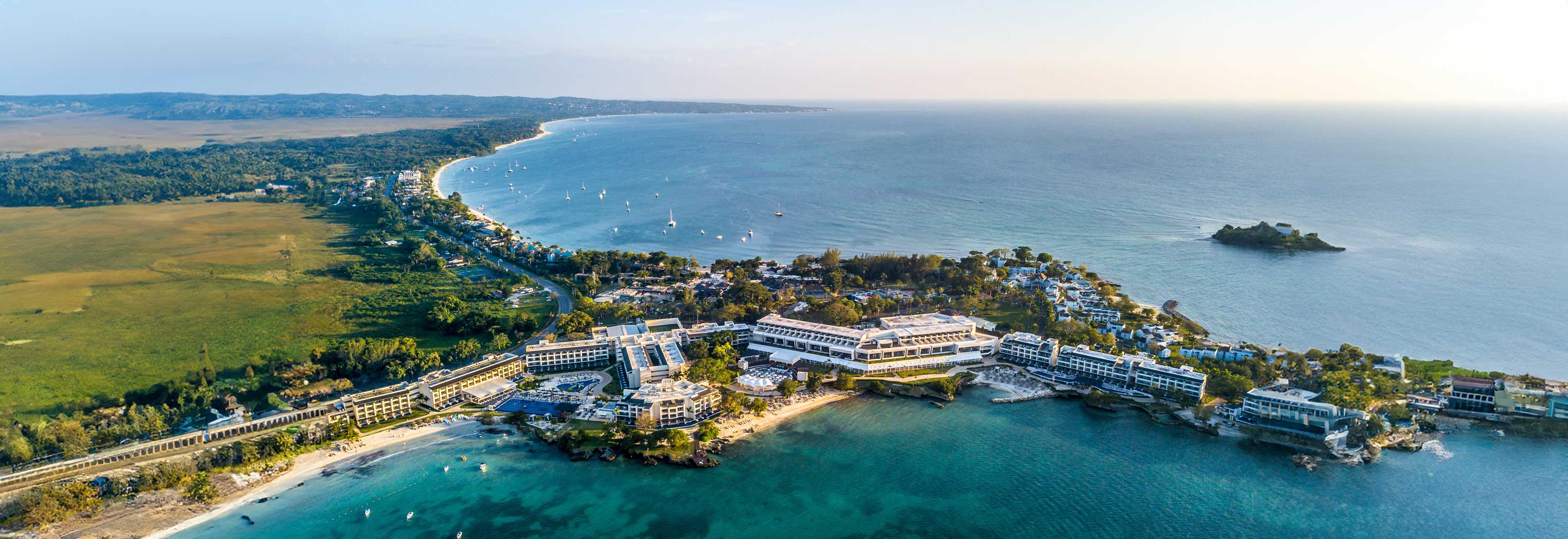
LCL from China to all our Caribbean destinations
Caribbean
LCL to Antigua and BarbudaLCL to the BahamasLCL to BarbadosLCL to the British Virgin IslandsLCL to the Cayman IslandsLCL to DominicaLCL to GrenadaLCL to HaitiLCL to Puerto RicoLCL to Saint Kitts and NevisLCL to Saint LuciaLCL to Saint Vincent and the GrenadinesLCL to Sint MaartenLCL to the Turks and Caicos IslandsLCL to the U.S. Virgin IslandsLCL from China to Aruba: frequently asked questions
Request your LCL quote from China to Aruba
Tell us what you buy in China and where your suppliers are. An advisor replies within one business day with your rate, next consolidation and the documents you need.
9601 NW 112th Ave, Miami, FL 33178
Documents we prepare for you
Bill of lading (BL) · Commercial invoice · Packing list

Talk to a person, not a bot
Daniel Zapata · Operations Director
Dani prices your lane himself and confirms rate, sailing and documents, in English or Spanish. Answered by him, not a machine.
4.5 / 5
190+ reviews on Google. Exporters and importers already moving their cargo with Interworld.
Certifications & memberships




Global freight forwarder headquartered in Miami since 1992. Ocean, air and road freight, warehousing and container shipping worldwide.
Dominican Republic
Spring Center Plaza, suite 701, Arroyo Hondo, Distrito Nacional