
What is DAT Incoterm?
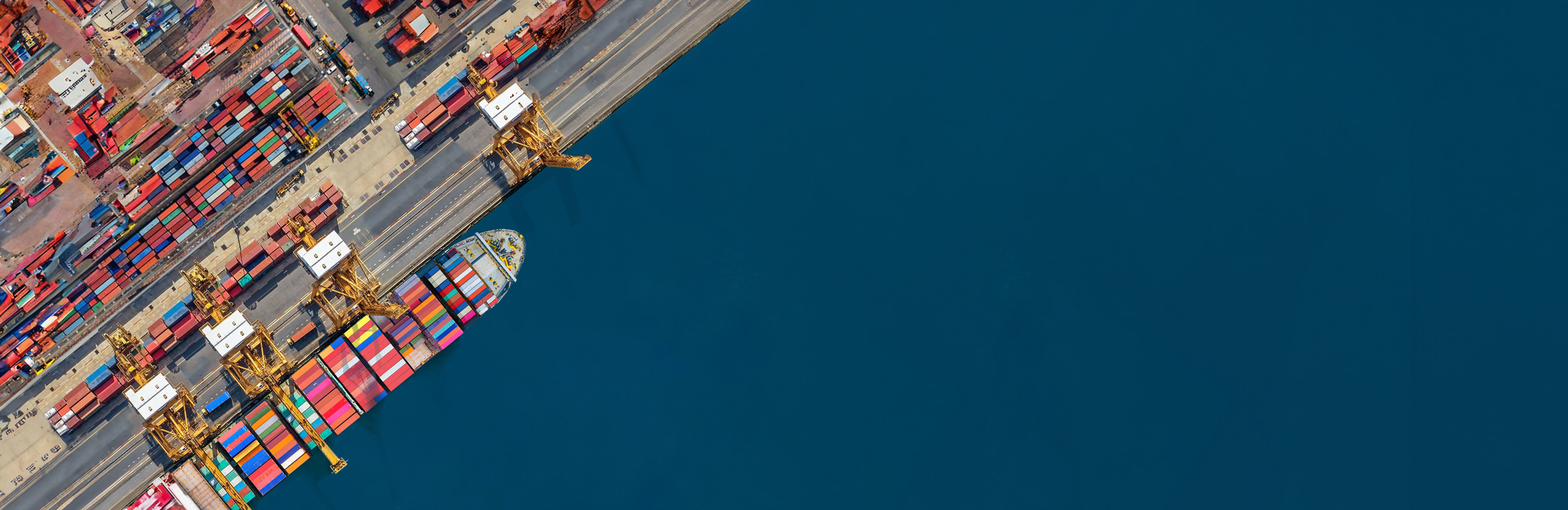
The DAT Incoterm, or "Delivered at Terminal," is a standard agreement used in international shipping to define the responsibilities of buyers and sellers. Under DAT, the seller delivers the goods once they are unloaded at the terminal (such as a port, warehouse, or freight hub) at the destination. The terminal delivery point is where risk and responsibility shift from the seller to the buyer.
Applicability and Usage
DAT is suitable for all modes of transport including rail, road, air, and sea. This Incoterm is particularly advantageous for buyers and sellers seeking a clear and straightforward handover at a predetermined location.
Trade Contexts Where DAT is Used
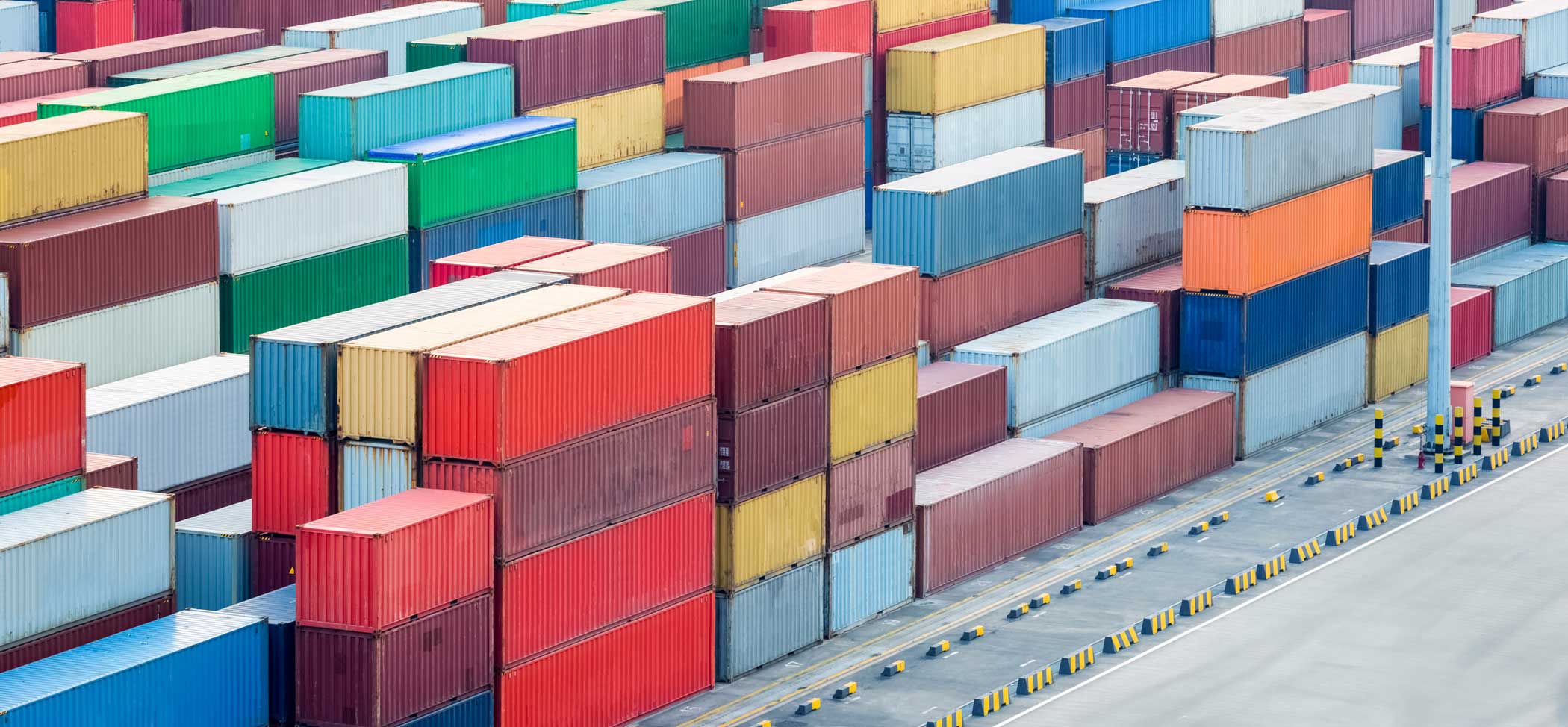
DAT is commonly used in scenarios where the seller can manage logistics effectively up to a certain point in the shipping process. It is ideal for large-scale shipments and heavy goods that require complex handling and are often shipped in bulk.
Examples of DAT in International Trade
- Manufacturing Equipment: A seller ships factory components to a buyer’s facility where the items are unloaded at the buyer’s designated terminal.
- Bulk Commodities: Commodities like coal or grains are delivered at a major port terminal, ready for buyer's collection.
Key Responsibilities
Seller's Responsibilities
- Arrange for transportation and cover all costs up to the agreed delivery point.
- Handle export formalities and assume all risks until the point of unloading at the destination terminal.
- Provide proof of delivery and notify the buyer once the goods have been delivered at the terminal.
Buyer's Responsibilities
- Pay for all costs from the moment goods are unloaded at the terminal.
- Handle import duties, taxes, and customs clearance.
- Collect the goods from the terminal after delivery.
| Obligation | Seller | Buyer |
| Delivery Point | Deliver goods to the terminal at the agreed destination (unloaded) | Take delivery at the terminal |
| Risk Transfer | Risk transfers to the buyer once the goods are unloaded at the agreed terminal | Bears risk once the goods are unloaded |
| Export Customs Clearance | Responsible for export customs clearance | No obligation |
| Import Customs Clearance | No obligation | Responsible for import customs clearance |
| Transport to Destination | Responsible for transportation to the agreed terminal (including unloading) | No obligation |
| Insurance | No obligation (but may choose to insure goods) | No obligation |
| Costs of Delivery | Pays all costs related to the delivery and unloading of the goods at the terminal | Pays costs from the terminal onwards |
| Inspection of Goods | Responsible for inspection costs before shipment | Responsible for inspection at delivery point if required |
| Loading Charges | Responsible for loading charges at the origin | No obligation |
| Unloading Charges | Pays for unloading at the terminal | No obligation (unless agreed otherwise) |
| Licenses and Formalities | Responsible for export licenses and formalities | Responsible for import licenses and formalities |
Risks and Insurance
Risk Transfer Points
In DAT terms, risk transfers from the seller to the buyer once the goods are unloaded at the destination terminal. This clear demarcation helps both parties manage their insurance needs more predictably.
Insurance Obligations
While the seller is responsible for transport and insurance to the terminal, the buyer needs to secure insurance from the time the goods are unloaded and onwards.
Costs and Payment
Typical Costs Covered Under DAT
The seller covers transport costs, export duties, and costs related to delivery at the terminal. The buyer is responsible for unloading costs, import duties, and any further transportation costs.
Payment Terms and Conditions
Payment terms under DAT should be clearly defined to ensure both parties understand when the payment is due, particularly in relation to the transfer of risks and delivery.
Advantages of DAT
- Clarity and simplicity in managing logistics.
- Defined point of risk transfer.
- Cost-effectiveness in managing large shipments.
Disadvantages of DAT
- Potential complexities in terminal operations that may delay the buyer’s access to goods.
- Additional costs for the buyer related to terminal handling and further transportation.
Understanding DAT is essential for businesses engaged in international trade, as it clearly outlines the point of delivery and transfer of responsibilities. This Incoterm ensures both parties have a clear understanding of their obligations, risks, and costs involved in the transportation of goods.
Interworld Freight cargo services


Ready to price your shipment?
