
Delivered At Place (DAP) is an Incoterm used in international trade that signifies that the seller delivers the goods to a specified destination, ready for unloading. Under DAP terms, the seller bears all risks and costs associated with transporting the goods to the agreed-upon location, excluding import duties and taxes. This term is commonly used to ensure clarity in logistics and cost distribution between the seller and buyer.
DAP Incoterms definition
The DAP Incoterm, defined by the International Chamber of Commerce (ICC), outlines the responsibilities of both the seller and buyer in international shipping. The seller's obligations include arranging and paying for transport to the destination, ensuring the goods are safely delivered, and handling all export formalities. The buyer, on the other hand, is responsible for import clearance, duties, and taxes.
Seller’s responsibilities in DAP transactions
Under DAP delivery conditions, the seller must:
- Arrange and pay for transportation to the specified place of delivery.
- Ensure the goods are packaged and labeled appropriately.
- Handle all export customs formalities.
- Assume all risks until the goods reach the delivery destination.
Buyer’s responsibilities when using DAP
The buyer’s responsibilities include:
- Unloading the goods upon arrival.
- Handling import customs clearance.
- Paying any import duties and taxes.
- Assuming risk after the goods are delivered at the agreed place.
Financial aspects of DAP
Overview of DAP shipping costs
DAP shipping costs can be significant as the seller covers most of the transportation expenses. These costs include freight charges, export duties, and any other fees related to delivering the goods to the buyer’s location.
Breakdown of costs associated with DAP transportation
Freight Costs: Paid by the seller for transporting goods.
Packaging and Labeling: Ensured by the seller.
Export Duties: Managed by the seller.
Import Duties and Taxes: The buyer handles these upon goods arrival.
Insurance in DAP terms
DAP incoterms insurance responsibilities
Insurance under DAP terms is not explicitly required by the Incoterm rules. However, it is prudent for the seller to insure the goods during transit until delivery, as they bear the risk until the goods reach the destination.
Managing risk in DAP shipping+
To manage risk effectively, both parties should agree on insurance details beforehand. The seller typically covers insurance up to the point of delivery, while the buyer may insure the goods post-delivery.
DAP shipping and transportation
Modes of transport commonly used in DAP
DAP terms apply to various modes of transport, including:
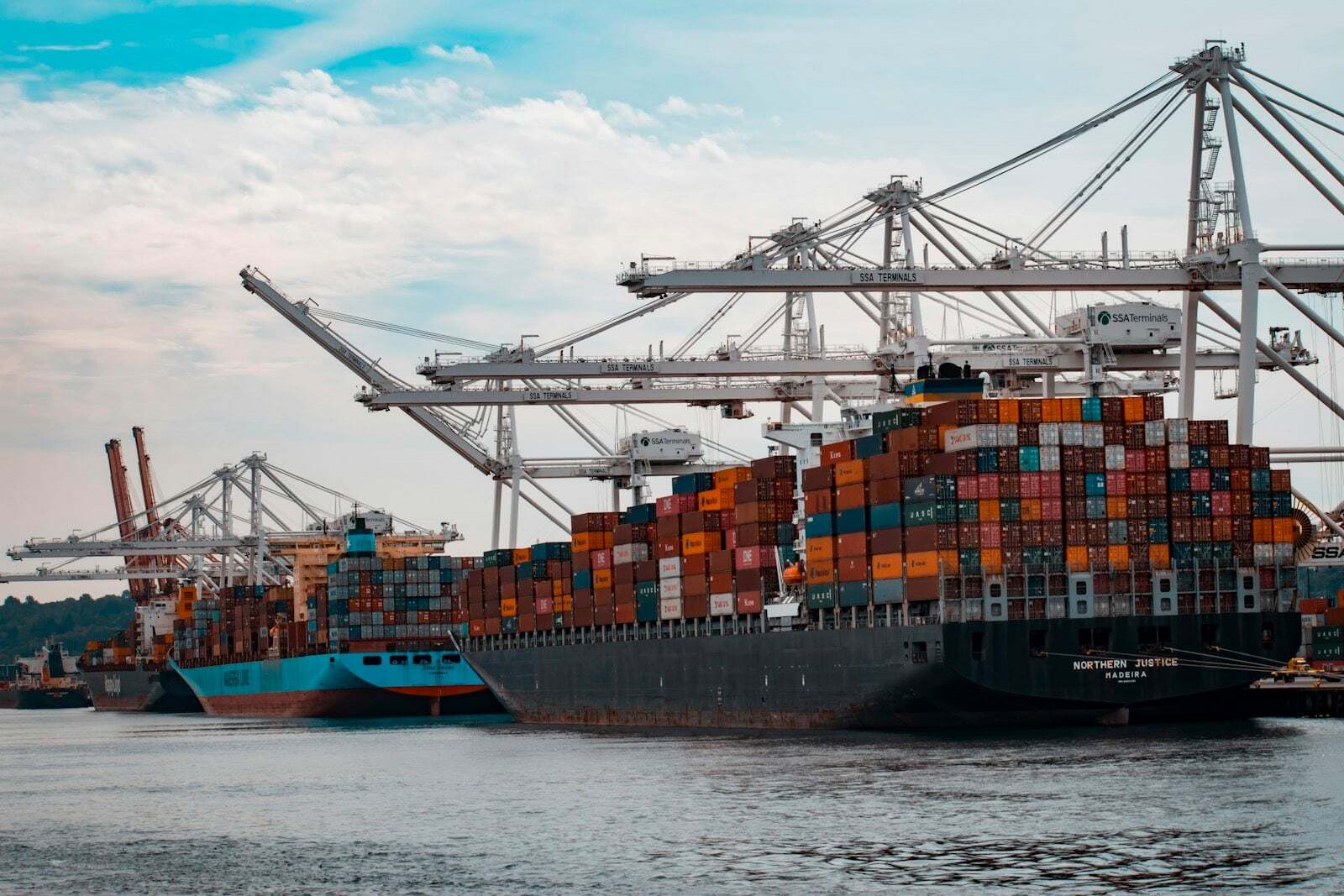
- Sea Freight: Common for large, heavy shipments.
- Air Freight: Used for urgent or high-value goods.
- Road and Rail Transport: Often used for regional deliveries.
Logistics and coordination in DAP shipping
Logistics coordination under DAP requires clear communication between the seller and buyer. The seller arranges transport and ensures timely delivery, while the buyer prepares for unloading and customs clearance.
Legal and compliance aspects
Legal implications of using DAP Incoterms
Using DAP Incoterms requires both parties to understand their legal obligations clearly. The seller must comply with export regulations, and the buyer must adhere to import laws. Any contractual agreements should specify DAP terms to prevent misunderstandings.
Compliance challenges in different jurisdictions
Compliance challenges can arise due to varying regulations in different countries. It’s crucial for both parties to stay informed about local laws and customs procedures to ensure smooth transactions.
Case studies and practical examples
Real-World Examples of DAP in Action
- Electronics Shipment: A US-based electronics manufacturer ships goods to a retailer in Germany. Under DAP terms, the manufacturer handles all transport logistics and risks until the goods arrive at the retailer's warehouse, where the retailer then manages unloading and customs duties.
- Automotive Parts: A Canadian supplier sends automotive parts to a factory in Mexico. The supplier ensures delivery to the factory door, bearing all costs and risks of transport, while the factory handles import procedures and taxes.
Lessons Learned from DAP Shipping Scenarios
- Clear Communication: Ensuring clear terms and responsibilities between parties prevents delays and misunderstandings.
- Insurance Agreements: Agreeing on insurance coverage details upfront helps manage risks effectively.
- Compliance Preparedness: Staying informed about both export and import regulations facilitates smooth customs clearance.
Interworld Freight cargo services


Ready to price your shipment?
