
Industry program · Since 1992
Supermarket logistics
Interworld Freight runs supermarket & retail logistics end to end: air, ocean and road freight with sector-grade handling, compliance and one advisor accountable for the whole chain. Headquartered in Miami since 1992.
4.5 on Google · 190+ reviews
Since 1992
WCA founding member
Air · ocean · road
Miami warehouse hub

Industry program
Supermarket & retail logistics services
- One container, all categories.
- Better in-stock.
- Simpler operations.
- Scalable peaks.
How we work
What we move for supermarket & retail shippers
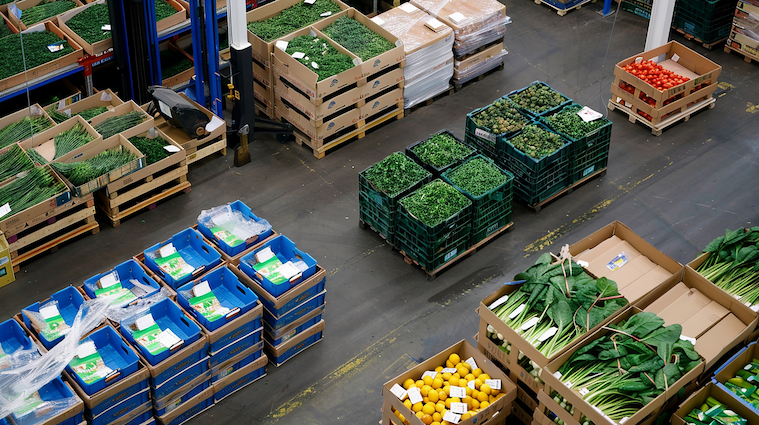
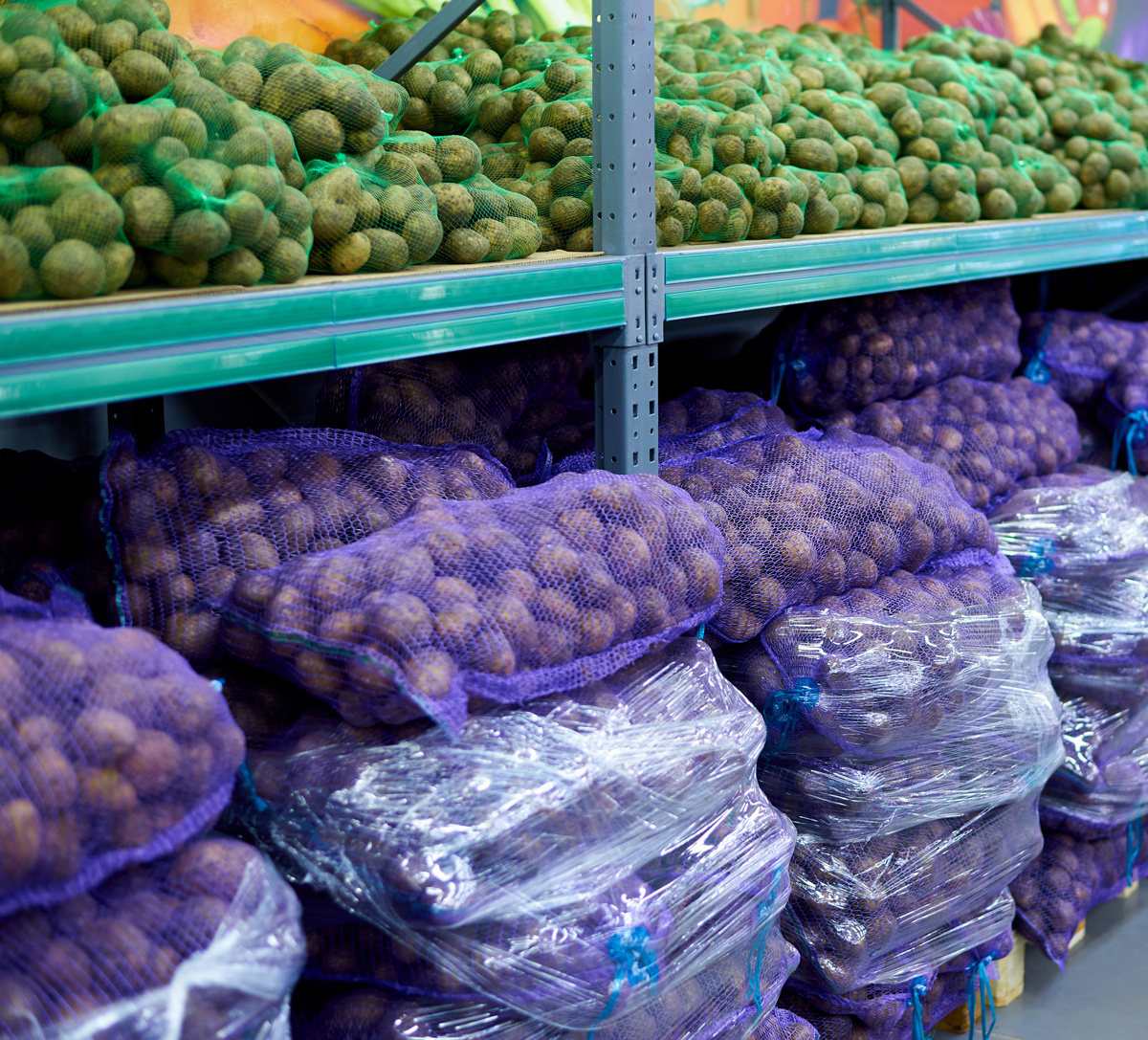
Multi-temperature consolidation (dry + chilled + frozen): We build mixed loads with ambient, 0–4 °C, and frozen (≤ −18 °C) zones, validated to protect product quality and shelf life. Vendor pooling and PO management: W e co ordinate pickups or receiving from many suppliers, reconcile purchase orders, and stage by store/DC, brand, or temperature band.
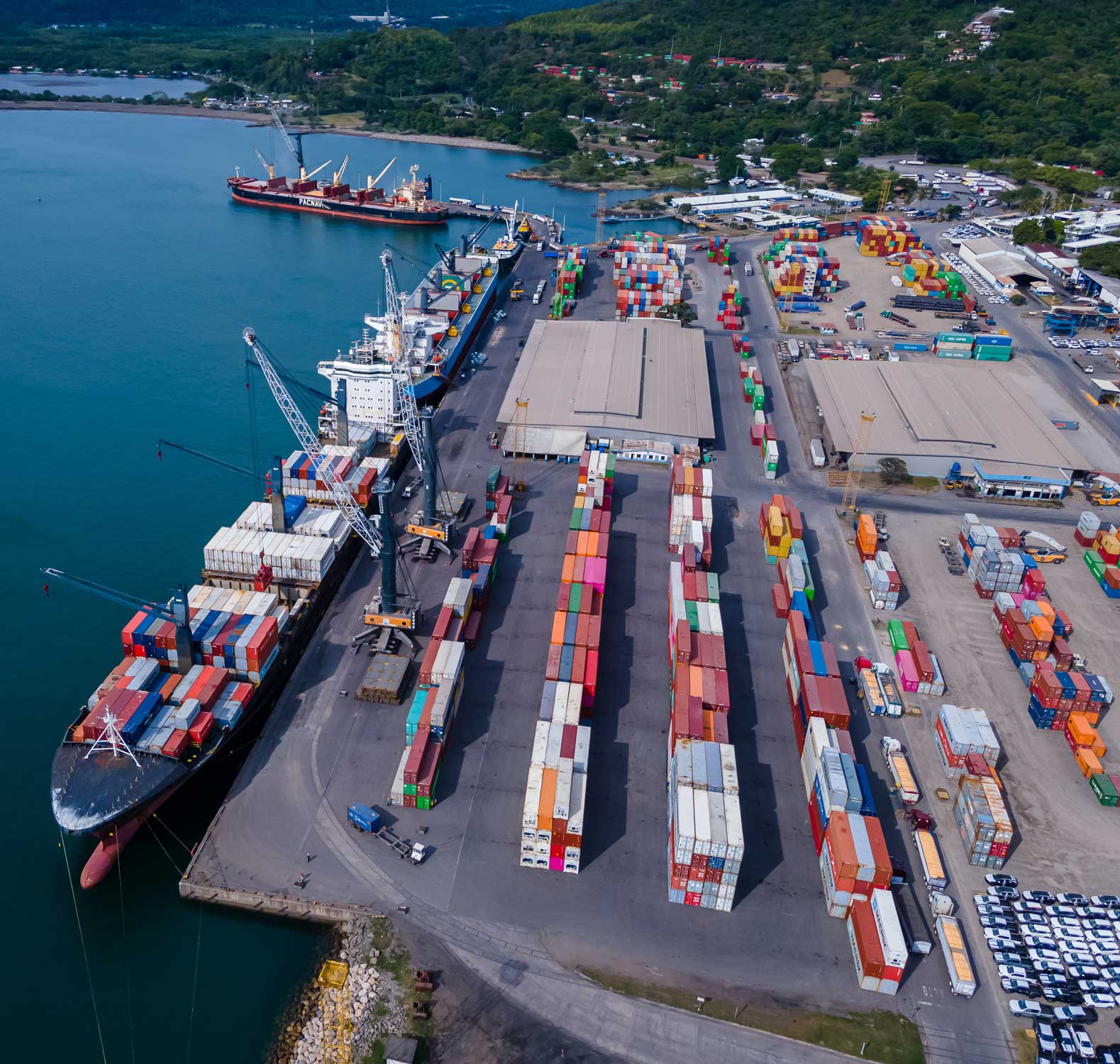
- Weekly departures from Miami: Fixed cut-offs and frequent sailings/airfreight options to Central & South America and the Caribbean reduce lead times and stockouts.
- Grocery delivery logistics to store or DC: Final-mile arrangements at destination with vetted partners, including delivery appointment scheduling and pallet-level proof of delivery.
- Full compliance and certifications: FDA/USDA-registered facilities, Organic and GFSI/PrimusGFS practices, lot/batch traceability, export documents, and destination import support.
- End-to-end visibility: Po rtal/API status by PO/SKU, milestone alerts, and lane-level temperature monitoring for cold-chain integrity.
Many suppliers, one container
Retail consolidation: buy from many vendors, ship one container
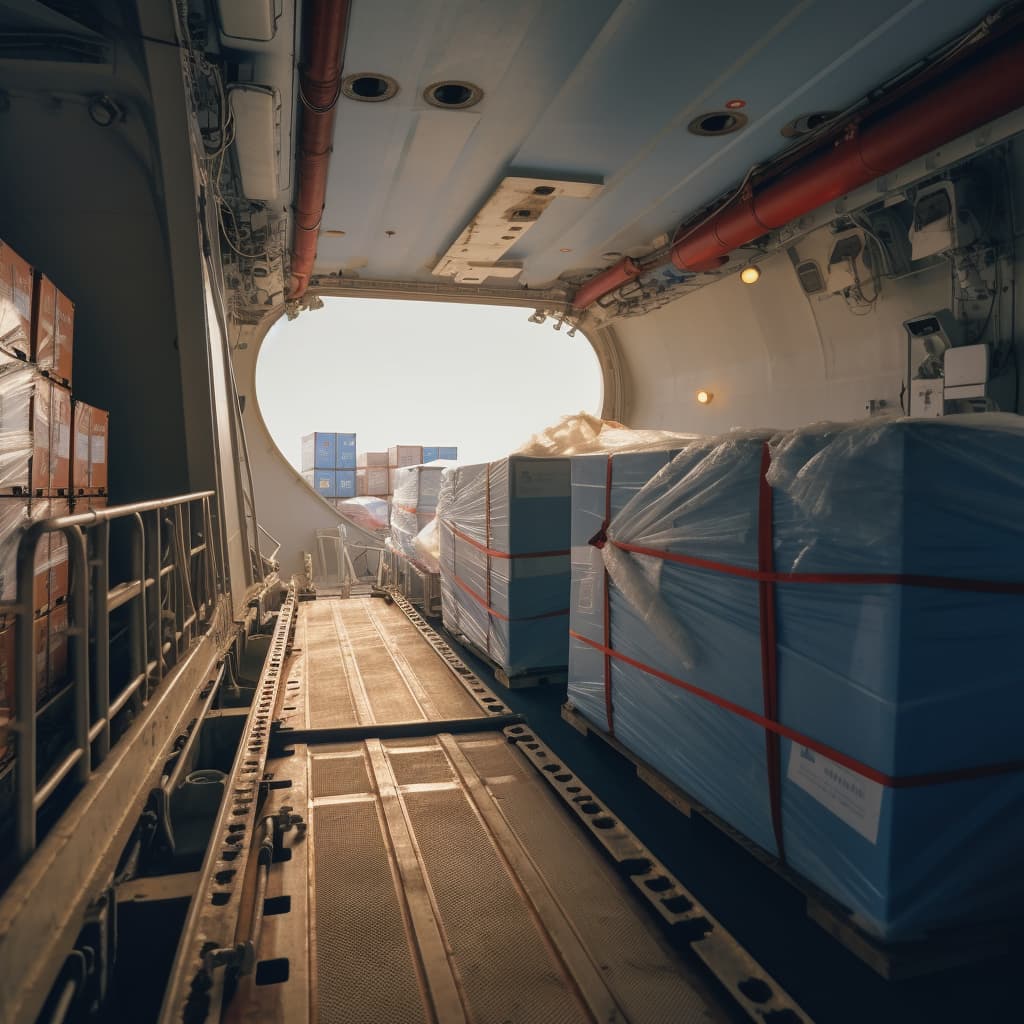
A supermarket buyer wants one arrival date, not eight. We receive from every vendor on the purchase order across dry, chilled and frozen, build store-ready pallets with your labels, and close the container on a fixed weekly day so the shelf plan holds. Prior notice goes in on the food lines, the entry is filed before the vessel berths, and the delivery lands on a booked appointment at the distribution center instead of a truck waiting at the gate.
Supermarket and retail services we run in house
Multi-supplier purchase order consolidationDry, chilled and frozen in one laneStore-ready pallets and labelsFDA prior notice on food linesWeekly departures on fixed daysBooked retail delivery appointmentsInventory visible online 24/7Customs entry and duty paid
How we work with you
How our supermarket & retail freight forwarding works, from quote to delivery
You send one form with the supermarket & retail details; we run the rest of the lane. This is what happens after you click.
01
Send your pallet mix
Suppliers, pallet count and what travels dry or refrigerated. We consolidate it into one shipment and confirm the rate within one business day.
02
One shipment, every supplier's papers
We collect each supplier's invoice and packing list, consolidate at our Miami hub and issue a single bill of lading for the load.
03
Customs and delivery appointment
Clearance at both ends and delivery booked into your distribution center window, with the reefer lines kept at temperature throughout.
04
In transit, tracked live
Follow the shipment on our tracking portal, with your advisor watching every milestone and telling you before you have to ask.
05
Delivered, case closed
Your cargo arrives, your advisor confirms delivery with you and stays on the file until everything is signed off. Only then do we close the case.

No-commitment quote · Reply within one business day
Ready to price your supermarket & retail shipment?
Rate and next departure confirmed within one business day, with a clear breakdown from the first email: no surprises, no fine print.
30,000+TEUs / year
4.5Mair kg / year
350+employees
Quote your cargo today
4.5 · 190+
Moving cargo worldwide since 1992. An advisor confirms rate, departure and documents.
Request a quote
Talk to an expert
or call +1 (646) 722-0968 · +1 (786) 550-0401
What we handle for the supermarket & retail industry
Capabilities from our current supermarket & retail operation.
Temperature ranges
4°C to -18°C
Compliance
FDA · USDA
Equipment
reefer · racking · refrigerated · frozen
Storage, when the lane needs it
Supermarket & retail warehousing and storage, minutes from PortMiami

Miami, FL · CFS floor and pallet racking, minutes from PortMiami.
Certified to handle it
FDA registeredFood-grade floorTemperature controlledC-TPATForeign Trade ZoneBondedCFS station
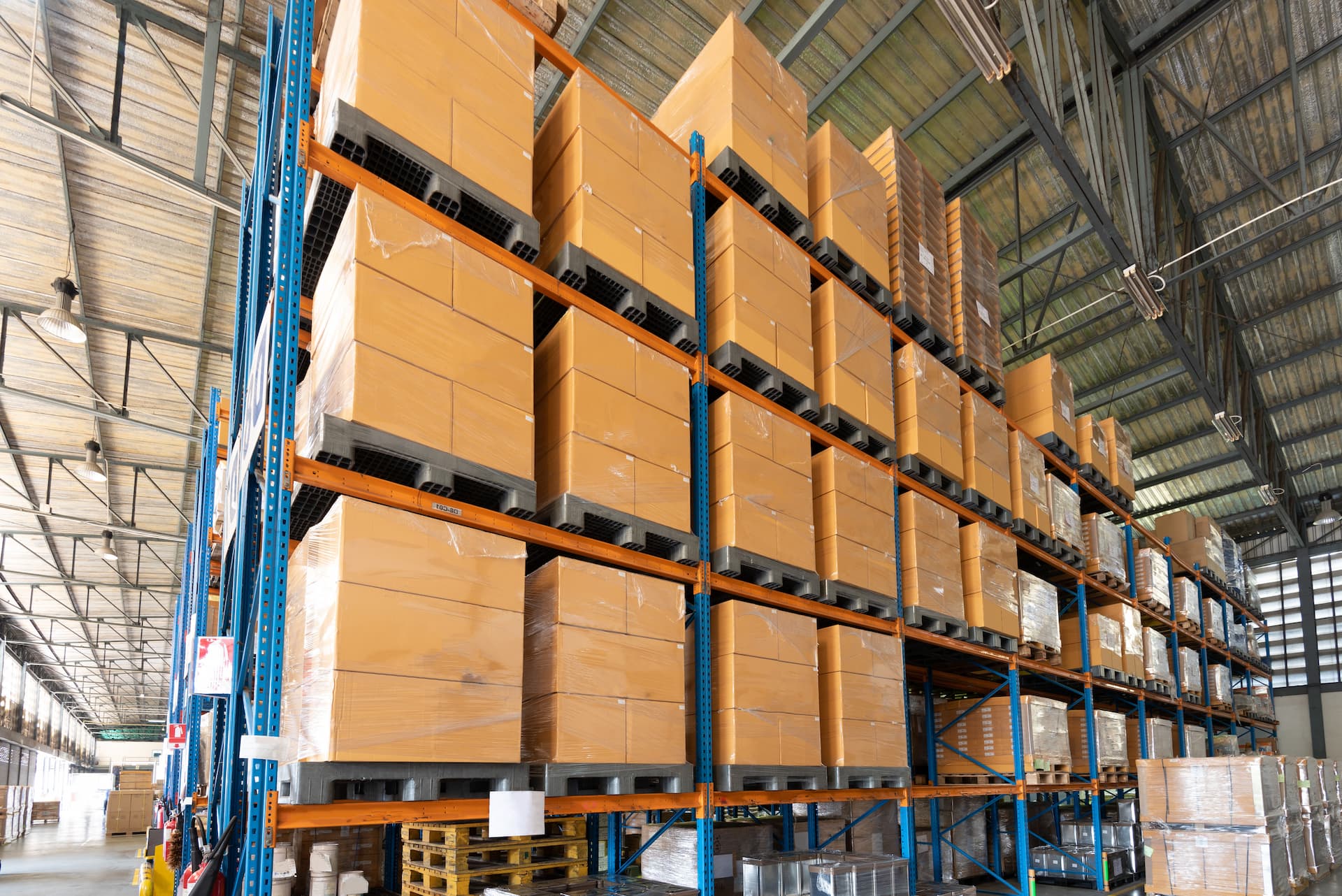
A retail container closes when the last supplier delivers, not when the first one does. We hold the earlier arrivals in our four facilities, totalling 300,000+ sq ft, anchored by its headquarters building in Miami, minutes from PortMiami, dry, chilled and frozen in the same building, food-grade floor, FDA-registered, with each purchase order visible online by supplier until the box ships.
Temperature ranges4°C to -18°CComplianceFDA · USDAEquipmentreefer · racking · refrigerated · frozen
What we hold for you
01
Fresh, chilled and frozen
Produce, seafood, meat, dairy and frozen lines at their own set point.
02
Center store and dry grocery
Canned goods, grains, snacks, beverages and paper goods.
03
Non-food and seasonal
Cleaning, health and beauty, general merchandise and seasonal promotions.
Pallets are built store-ready with your labels, and inventory stays visible online by supplier and purchase order.
Shipping this cargo for the first time? An advisor walks you through the whole process.
Why Interworld Freight for supermarket & retail logistics
Founded in 1992 and a founding member of the World Cargo Alliance, Interworld Freight combines certified operations (CTPAT, IATA) with a Miami warehouse hub and a team that knows the supermarket & retail sector's rules.
Why supermarket & retail shippers choose Interworld Freight
1
Sector compliance
Documentation and handling to the standards your commodity demands.2
The right equipment
From dry vans to temperature-controlled and specialized units, matched to the cargo.3
Customs handled
We manage customs clearance and paperwork at origin and destination.4
One accountable partner
A single advisor owns your shipment across air, ocean and road.Other industries we serve
Six sector programs with the same operation: certified handling, compliant documentation and one advisor accountable.




Clients who ship with us every week
Real reviews from our Google profile: 4.5 across 190+ ratings.
“Interworld Freight has an outstanding team—professional, kind, and efficient. Their expertise is evident in every interaction. Definitely the go-to place for all your transportation needs.”
K
Kol
Google review
“The attention from everyone I dealt with is always excellent. You can see the professionalism and care the very first time they attend to you, and it is genuine. Highly recommend Interworld.”
N
Nestor Gonzalez
Google review
“I was very pleased with the service, from beginning to end. Everything was explained to me step by step till I was ready to pick up my machine from the warehouse. I didn't expect to get such service — so professional and knowledgeable.”
E
Ely Krasner
Google review
Supermarket & retail logistics: frequently asked questions
Request your supermarket & retail freight quote
Tell us what you ship and where it goes. An advisor who knows the supermarket & retail sector replies within one business day with rate, next departure and the documents you need.
9601 NW 112th Ave, Miami, FL 33178
Documents we prepare for you
Bill of lading (BL) · Commercial invoice · Packing list

Talk to a person, not a bot
Daniel Zapata · Operations Director
Dani prices your lane himself and confirms rate, departure and documents, in English or Spanish. Answered by him, not a machine.
4.5 / 5
190+ reviews on Google. Exporters and importers already moving their cargo with Interworld.
Certifications & memberships





Global freight forwarder headquartered in Miami since 1992. Ocean, air and road freight, warehousing and container shipping worldwide.
Dominican Republic
Spring Center Plaza, suite 701, Arroyo Hondo, Distrito Nacional