
LCL from China · Weekly departures
LCL shipping from China to Haiti
Consolidated LCL ocean freight from China to Haiti: pay only for the cubic meters you use, with customs handled at destination.
4.5 on Google · 190+ reviews
Since 1992
Weekly departures
No volume minimum
Door to door

All-in total
USD
Non-binding price. Subject to space and equipment availability and to the commercial offers in force at the time of booking. A better price is often available by talking directly to sales.
Volume (CBM)
Weight (kg)
Incoterm
Transit
Valid until
Reference
We have emailed the full breakdown to .
Request received
Your shipment is with our FCL team
A sales executive contacts you the same business day with rate, carrier and next sailing.
Containers
Weight per container (kg)
Commodity
Incoterm
Reference
- 1We check space and equipment for your lane with our ocean carriers.
- 2Your executive contacts you with rate, carrier and next sailing.
- 3If the proposal works for you, we book your container and coordinate pickup and documents.
We have emailed the confirmation to .
Certifications & memberships



How much does LCL from China to Haiti cost?
Small shipments (1 to 3 CBM)
Per CBM
$80 to $110
Indicative LCL rate per cubic meter from China to Haiti, confirmed with your cargo details within one business day.
Mid-sized shipments (3 to 10 CBM)
Per CBM
$70 to $95
Indicative LCL rate per cubic meter from China to Haiti, confirmed with your cargo details within one business day.
Volume. LCL is priced per cubic meter (CBM); the rate per CBM drops as the shipment grows.
Origin port. Shanghai, Shenzhen and Ningbo run different consolidation schedules and costs.
Destination charges. CFS handling, duties and taxes at destination are part of the landed cost.
Request a quote
A customized quote for your cargo and budget. Reply within one business day.
LCL from China to Haiti, run by one accountable team
Choosing air freight for shipments to Puerto Rico offers unparalleled speed and efficiency. Air cargo is ideal for urgent deliveries, high-value goods, and items requiring temperature control or specialized handling. With Interworld Freight’s expertise, we provide flexible shipping options designed to meet your timeline and budget.
Cost efficiency
You are billed by CBM, not for an entire container, reducing upfront freight costs significantly for smaller volumes.
Flexibility
Send smaller orders more often and avoid overstock, ideal for retail importers managing tight storage space in Port-au-Prince or Cap-Haïtien.
Reliable routing
Interworld Freight uses established weekly consolidation schedules via Caucedo (Dominican Republic) and Kingston (Jamaica) transshipment hubs to ensure predictable sailings.
Full consolidation
Your cargo is packed and secured alongside compatible freight, with complete documentation prepared to AGD requirements from day one.
WCA founding member
IATA and CTPAT certified, WCAworld Best Partner 2022, with 350+ people in 4 own offices.
LCL options from China to Haiti
Less-than-container-load (LCL) shipping from China to Haiti lets small and mid-size importers access competitive ocean freight rates without paying for a full container. At Interworld Freight, we consolidate your cargo at origin, route it through Caribbean transshipment hubs, and deliver it to Port-au-Prince (APN) or Cap-Haïtien with complete customs documentation support. Whether you are importing rice, textiles, or construction materials, our LCL service keeps your supply chain moving.
Standard LCL. Weekly consolidated sailings from Shanghai, Shenzhen, or Ningbo via Caucedo or Kingston. Transit averages 28 to 38 days port-to-port. Best fit for regular importers with predictable schedules.
Priority LCL. Priority space with named-carrier consolidators. Targets 25 to 32 day transit. Recommended for time-sensitive cargo such as high-value electronics or urgent stock replenishment.
Door-to-door LCL. We coordinate inland pickup from your Chinese supplier’s factory to the origin CFS, manage export customs filing, and arrange destination delivery to your Haitian warehouse or distribution point.
Best suited for: Rice and food products: Packaged rice, cooking oil, canned goods, and other food staples shipped in manageable, AGD-compliant quantities from Chinese suppliers.; Textiles and apparel: Garments, fabrics, and accessories from Guangdong and Zhejiang manufacturing clusters bound for Haitian retailers and distributors.; Construction materials: Ceramic tiles, PVC pipes, electrical fittings, hand tools, and fasteners for Haiti’s active construction sector.; Motorcycles and spare parts: Motorcycles and mechanical spare parts from Shenzhen and Qingdao suppliers, a high-volume import category for the Haitian market.
Tracking and support. Interworld Freight provides milestone-based tracking for every LCL booking, from cargo receipt at the origin CFS through vessel departure, transshipment at Caucedo or Kingston, and final arrival at the Haitian port. You receive proactive status updates at each key transit stage. Our operations team manages the full documentation chain, including bill of lading, arrival notice, and customs filing coordination, ensuring your broker receives clean, complete paperwork ahead of vessel arrival to avoid port storage charges. We coordinate with destination agents and customs brokers in Haiti to facilitate prompt deconsolidation and release. If your cargo is held for AGD examination, we assist in preparing any supplementary documentation required for clearance.
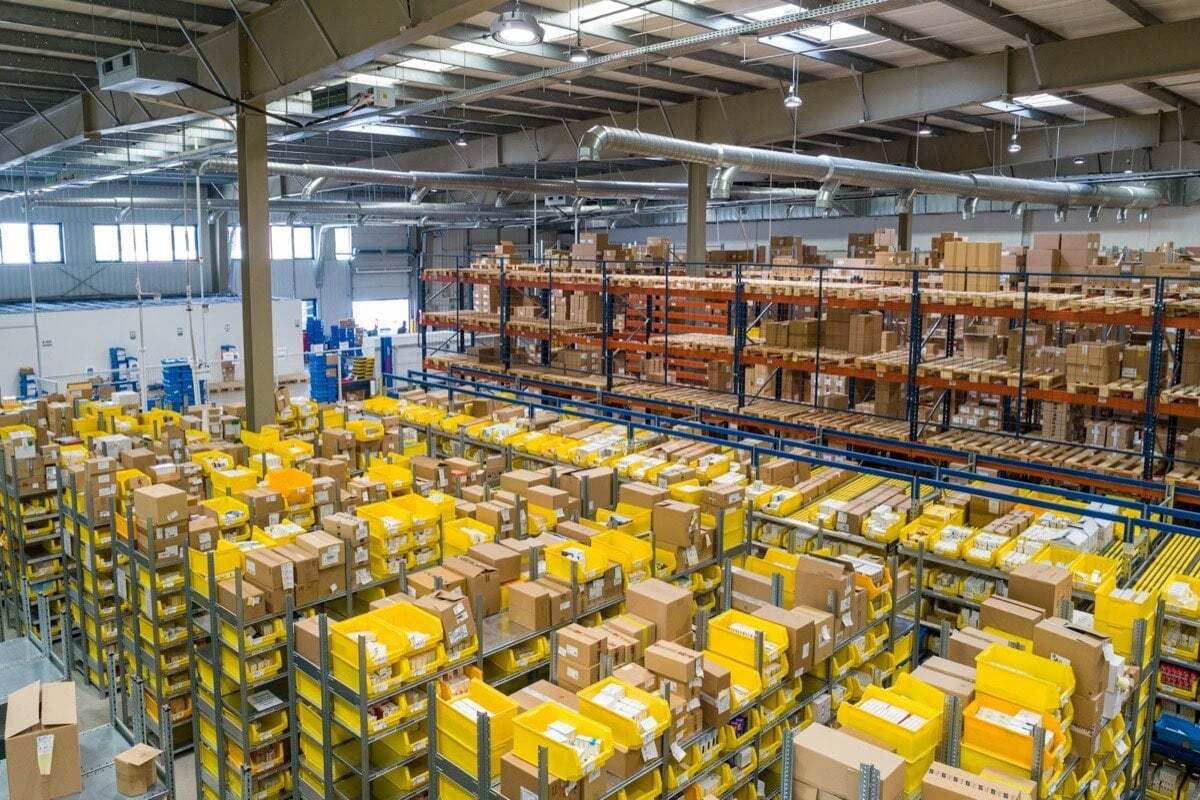
Buying from several suppliers? We consolidate all of them under one shipment and one set of documents.
How to ship LCL from China to Haiti
1
Quote your cargo. Send volume (CBM), weight and commodity; we confirm the rate and next consolidation within one business day.
2
We receive it in China. Your supplier delivers to our consolidation point, or we collect at the factory.
3
Sail and clear customs. We issue the bill of lading, consolidate, ship and handle clearance at destination.
Ports in Haiti for LCL cargo from China
The ports where consolidated cargo from China arrives, with deconsolidation and customs clearance coordinated at each one.
Port International de Port-au-Prince (APN)
Haiti’s main commercial port, administered by the Autorité Portuaire Nationale (APN). The primary gateway for LCL imports, it handles the majority of Haiti’s containerized trade. After discharge, LCL cargo is deconsolidated at the CFS and released following AGD clearance. This port offers the highest feeder frequency and the largest pool of local customs brokers.
LCL · Customs clearance
Cap-Haïtien International Port
Serves Haiti’s northern commercial corridor and is the preferred discharge point for importers based in the Artibonite or North regions. Feeder services connect via Caucedo or Kingston, and the port handles containerized general cargo including construction materials, machinery, and consumer goods.
LCL · Customs clearance
Customs requirements for LCL imports to Haiti
All imports must comply with regulations enforced by the Administration Générale des Douanes (AGD)
Requirements and documents
Documentation.Commercial invoice, packing list, bill of lading, certificate of origin.
Duties and taxes.Import duties and taxes apply by HS code classification. Haiti also applies a 10% VAT (Taxe sur le Chiffre d’Affaires, TCA) on most imported goods at customs value plus duty.
How to prepare your shipment
1
Proper packaging. Use export-grade packaging suited for multi-leg ocean voyages and transshipment handling. Palletizing fragile goods reduces damage risk.
2
Labeling. Mark each carton with consignee name, port of destination, HS code, and country of origin. Accurate labeling speeds up AGD examination.
3
Weight and dimensions. Provide exact CBM and gross weight for all cargo pieces before the consolidation cutoff at origin. Discrepancies cause delays and additional charges.
4
Compliance check. Confirm your goods are not on Haiti’s restricted or prohibited list and that all required permits are obtained before the vessel departs China.
Prohibited and restricted items
FirearmsCertain chemicalsControlled agricultural products
Tell us what you ship and we confirm permits and restrictions before booking.
More about LCL from China to Haiti
Estimated LCL shipping costs from China to Haiti
All quotes are subject to origin handling, destination handling (THC), customs examination fees, and port dues at the Haitian port of entry. Contact us for a current, itemized quote.
No-commitment quote · Reply within one business day
Ready to price your LCL from China to Haiti?
Rate and next consolidation confirmed within one business day, with a clear breakdown from the first email: no surprises, no fine print.
30,000+TEUs / year
4.5Mair kg / year
350+employees
Quote your cargo today
4.5 · 190+
Consolidating cargo from China to Haiti. An advisor confirms rate, departure and documents.
Get a quote to Haiti
Talk to an expert
or call +1 (646) 722-0968
LCL routes from China to Haiti
Consolidation lanes from the main Chinese ports.
From China to Haiti
ShanghaiPort-au-Prince
Weekly LCL consolidations from Waigaoqiao or Yangshan terminals, routed via Caucedo or Kingston. Transit averages 30 to 38 days
Shenzhen (Yantian)Port-au-Prince
Strong choice for electronics and apparel from Pearl River Delta suppliers. Regular feeder connections from Caucedo to APN
NingboCap-Haïtien
Competitive rates for textiles and machinery parts. Reliable weekly cutoffs aligned with Caribbean transshipment schedules via Caucedo and Kingston
More ways to ship to Haiti

LCL from China to Haiti for specific industries
Industry programs with the documentation and handling each commodity demands.
LCL from China to nearby destinations
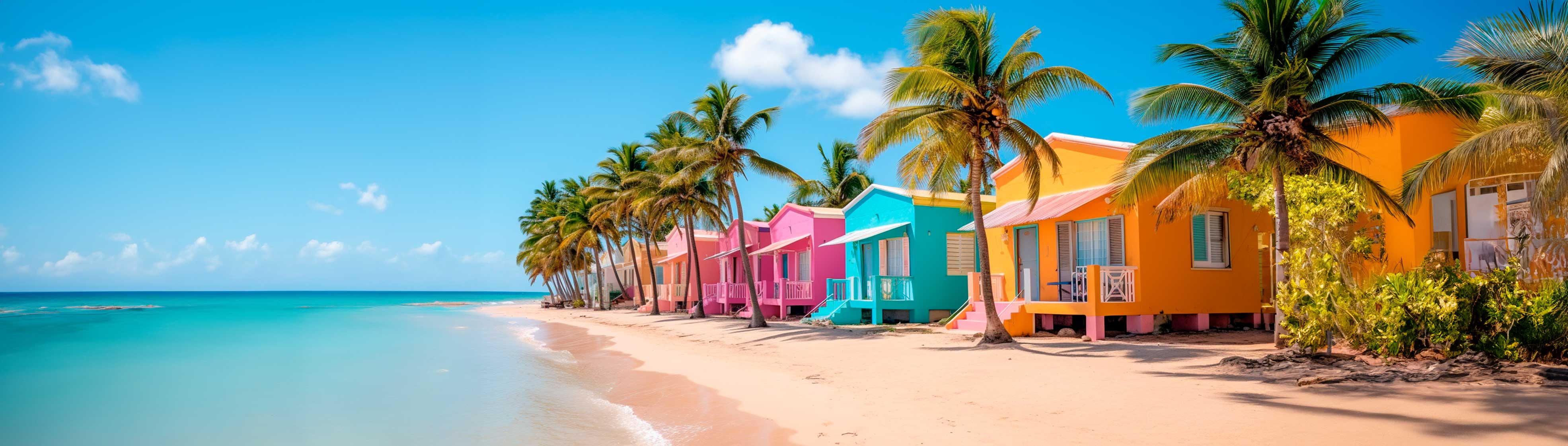

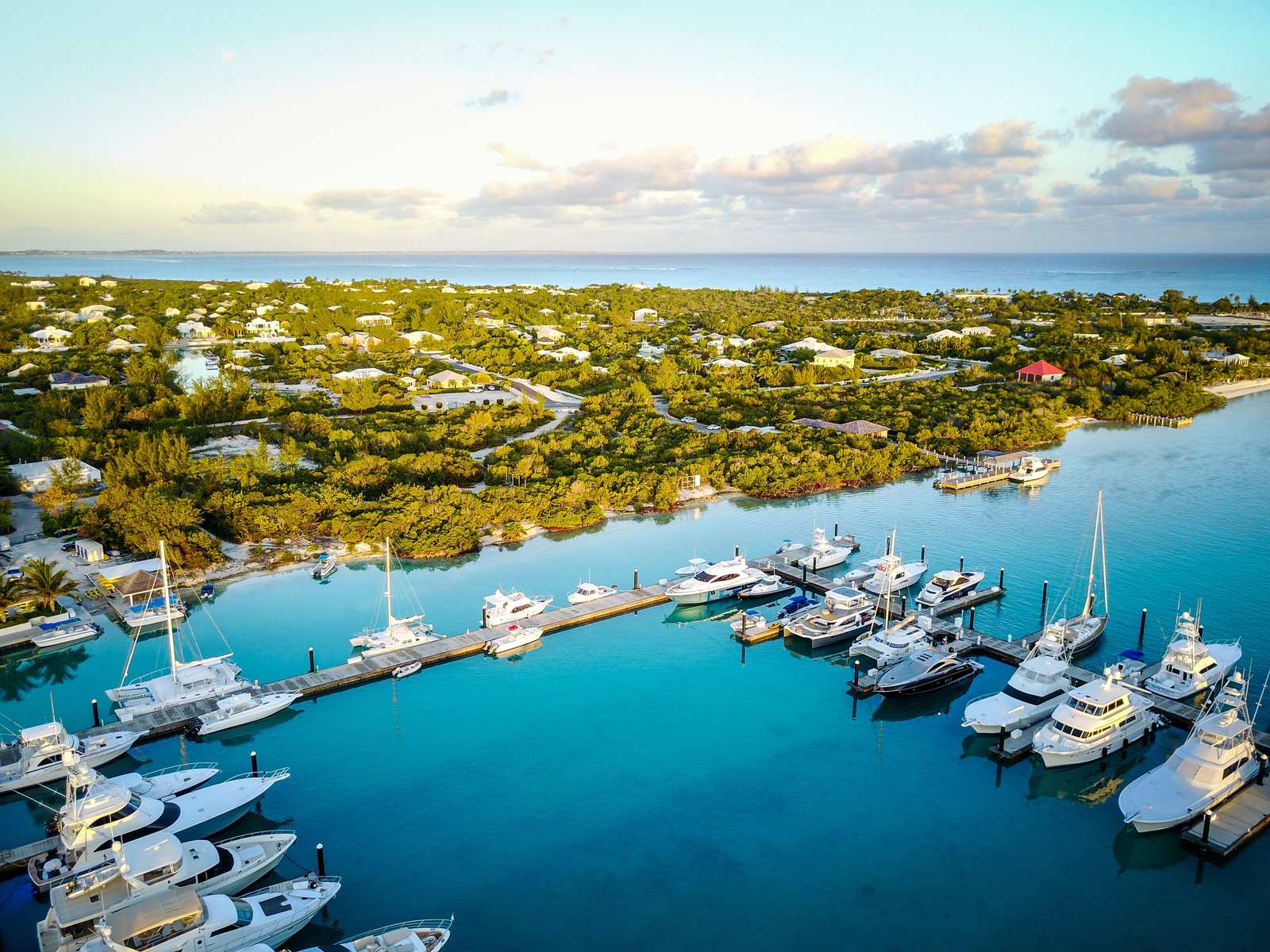
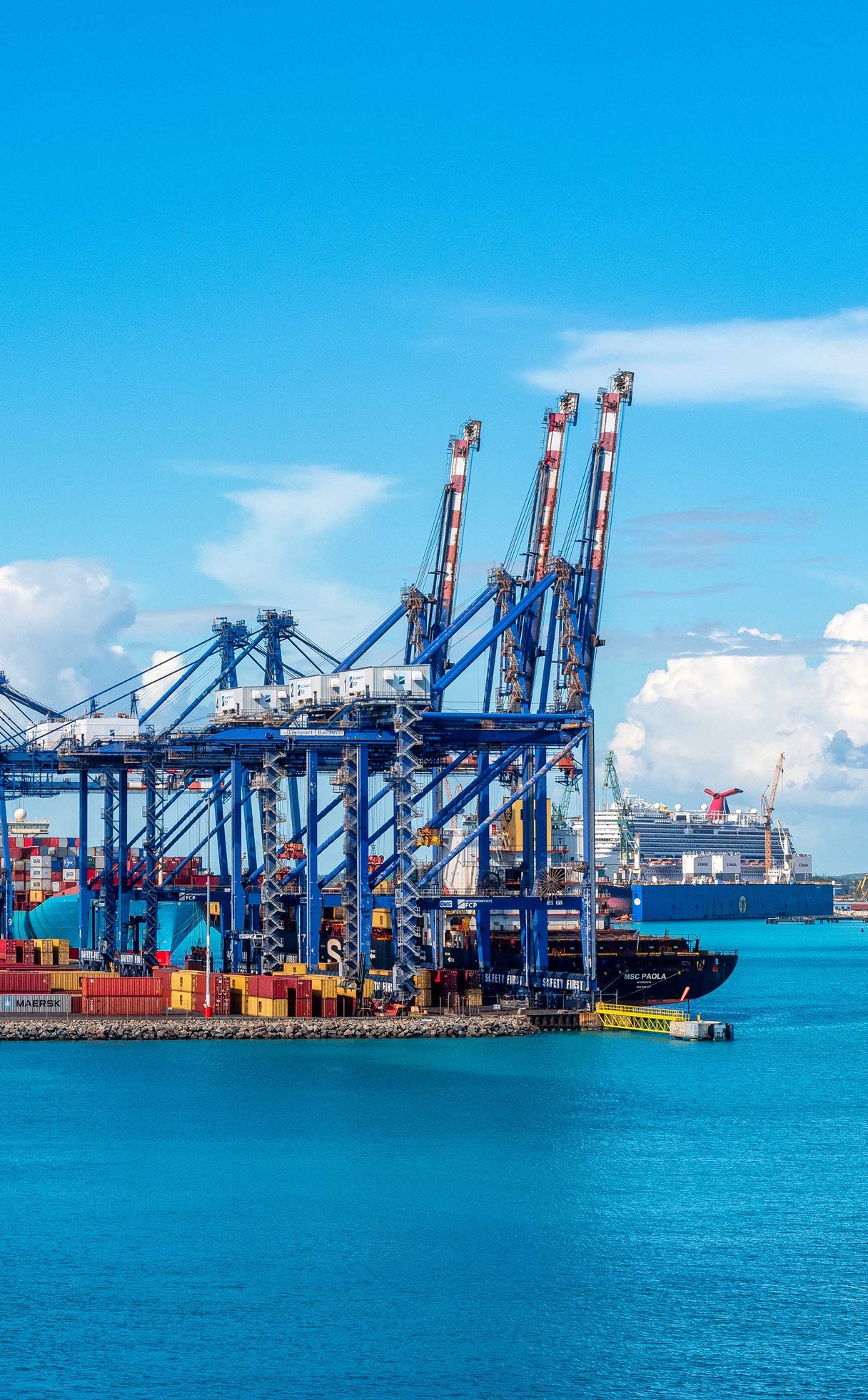
LCL from China to all our Caribbean destinations
Caribbean
LCL to Antigua and BarbudaLCL to ArubaLCL to BarbadosLCL to the British Virgin IslandsLCL to the Cayman IslandsLCL to CuraçaoLCL to DominicaLCL to GrenadaLCL to Puerto RicoLCL to Saint Kitts and NevisLCL to Saint LuciaLCL to Saint Vincent and the GrenadinesLCL to Sint MaartenLCL to Trinidad and TobagoLCL to the U.S. Virgin IslandsLCL from China to Haiti: frequently asked questions
Request your LCL quote from China to Haiti
Tell us what you buy in China and where your suppliers are. An advisor replies within one business day with your rate, next consolidation and the documents you need.
9601 NW 112th Ave, Miami, FL 33178
Documents we prepare for you
Bill of lading (BL) · Commercial invoice · Packing list

Talk to a person, not a bot
Daniel Zapata · Operations Director
Dani prices your lane himself and confirms rate, sailing and documents, in English or Spanish. Answered by him, not a machine.
4.5 / 5
190+ reviews on Google. Exporters and importers already moving their cargo with Interworld.
Certifications & memberships




Global freight forwarder headquartered in Miami since 1992. Ocean, air and road freight, warehousing and container shipping worldwide.
Dominican Republic
Spring Center Plaza, suite 701, Arroyo Hondo, Distrito Nacional