
Industry program · Since 1992
Aerospace & AOG logistics
Interworld Freight runs aerospace logistics end to end: air, ocean and road freight with sector-grade handling, compliance and one advisor accountable for the whole chain. Headquartered in Miami since 1992.
4.5 on Google · 190+ reviews
Since 1992
WCA founding member
Air · ocean · road
Miami warehouse hub

Industry program
Aerospace logistics services
- Logistics solutions for the aerospace industry, covering transportation of aircraft parts, engines, and equipment.
- Expertise handling oversized, overweight, and hazardous cargo, including aircraft engines and critical components. Count on us for the aerospace industry's unique requirements, guaranteeing prompt and compliant cargo delivery.
- Door-to-door supply chain solutions (including ocean freight, air freight, and warehousing).
- Global customs compliance consulting service.
- Time-sensitive hand-carry requirements for critical or urgent shipments.
- Expert advice on aerospace logistics, with specialized AOG team assistance.
24/7/365 availability for secure and reliable supply chain solutions. Dedicated Aerospace logistics team ready to support your business with precision.

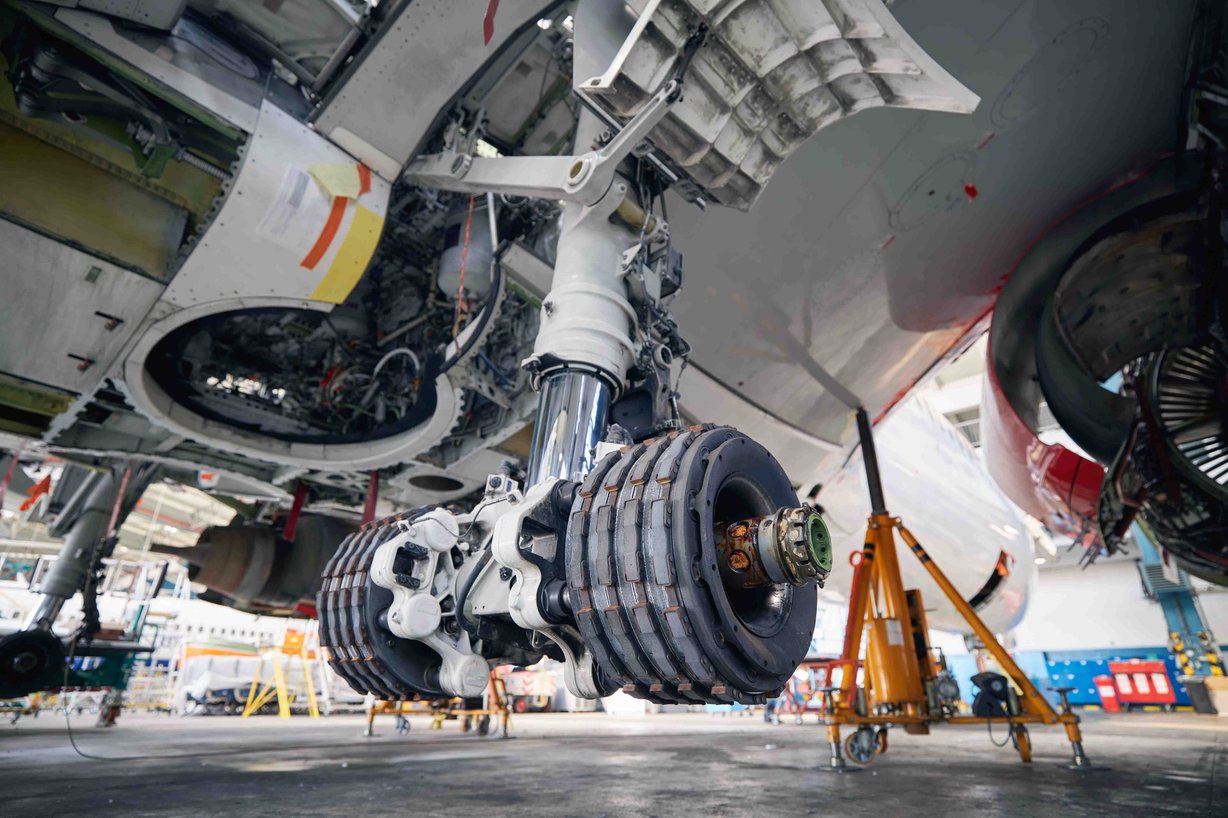
24/7/365 availability
AOG logistics and expedited aerospace freight, 24/7
When an aircraft is grounded, every hour counts. Our specialized AOG team runs critical parts door to door with 24/7/365 availability: priority customs release, logistics to your desired MRO facility and back to the aircraft, next-departure air freight, time-sensitive hand-carry and hot shot trucking when the road is faster. We pick parts up in low-traffic markets where scheduled capacity is thin and deliver them to remote locations.
AOG services we run for aircraft on ground
Priority customs clearanceMRO logistics, both waysNext-departure air freightHand-carry & on-board courierHot shot trucking, FTL and LTLHazmat certification under IATA DGRWorldwide pickup and deliveryParts return & replenishment
How we work with you
How our aerospace freight forwarding works, from quote to delivery
You send one form with the aerospace details; we run the rest of the lane. This is what happens after you click.
01
Send the part number and AOG status
Part number, serial, weight and whether the aircraft is on ground. We come back the same day with next-departure air freight, hand-carry or hot shot trucking, priced door to door.
02
Airworthiness paperwork prepared
We issue the air waybill, commercial invoice and packing list, and keep your FAA Form 8130-3 or EASA Form 1 travelling with the part.
03
Customs and dangerous goods handled
Priority clearance for AOG parts, and lithium batteries or chemicals packed and declared under the IATA Dangerous Goods Regulations.
04
In transit, tracked live
Follow the shipment on our tracking portal, with your advisor watching every milestone and telling you before you have to ask.
05
Delivered, case closed
Your cargo arrives, your advisor confirms delivery with you and stays on the file until everything is signed off. Only then do we close the case.

No-commitment quote · Reply within one business day
Ready to price your aerospace shipment?
Rate and next flight confirmed within one business day, with a clear breakdown from the first email: no surprises, no fine print.
30,000+TEUs / year
4.5Mair kg / year
350+employees
Quote your cargo today
4.5 · 190+
Moving cargo worldwide since 1992. An advisor confirms rate, flight and documents.
Request a quote
Talk to an expert
or call +1 (646) 722-0968 · +1 (786) 550-0401
Storage, when the lane needs it
Aerospace warehousing and storage, minutes from Miami International Airport
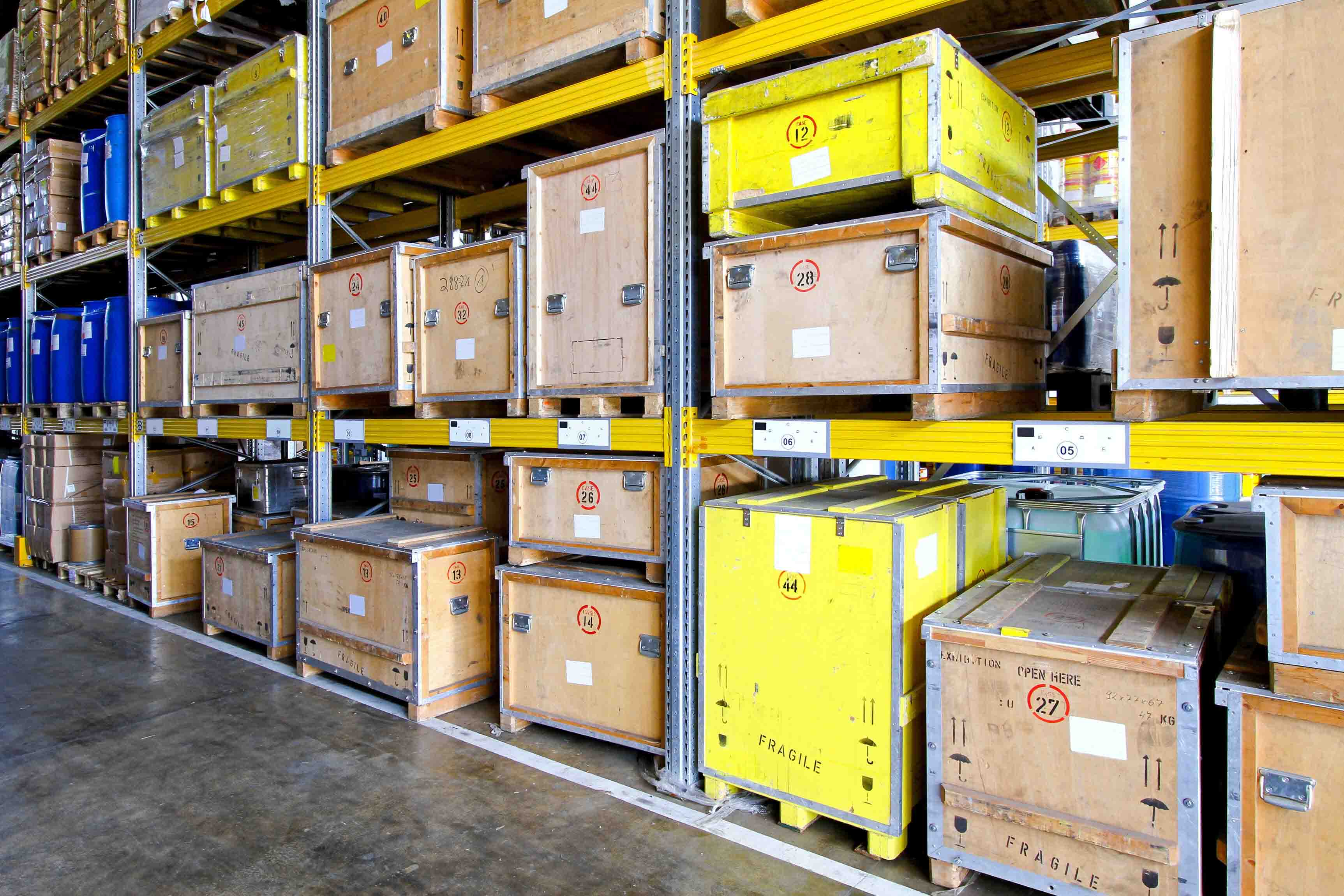
Miami, FL · CFS floor and pallet racking, minutes from Miami International Airport.
Certified to handle it
IATA-certified air cargoTSA-compliantHazmat licensedC-TPATForeign Trade ZoneBondedCFS station
Most aerospace shipments fly door to door and never stop. When yours needs to, for consolidation, a customs hold or a program waiting for the next call, we hold it in our four facilities, totalling 300,000+ sq ft, anchored by its headquarters building in Miami, minutes from Miami International Airport: Foreign Trade Zone and bonded space, TSA-compliant handling and IATA-certified air cargo out the same door.
Secure storage300,000+ sq ftCompliancehazmat · AOG
What we hold for you
01
Aircraft engines and propulsion
Engines and engine crates & stands.
02
Airframe and structural components
Doors, windows, nacelles / pylons and stabilizers.
03
Systems, avionics and landing gear
Landing gears, pneumatics, hydraulic power, fuel, flight controls and integrated modular avionics.
Everything is logged by ATA chapter, the aviation numbering standard. Ask for the chapter breakdown if your team works that way.
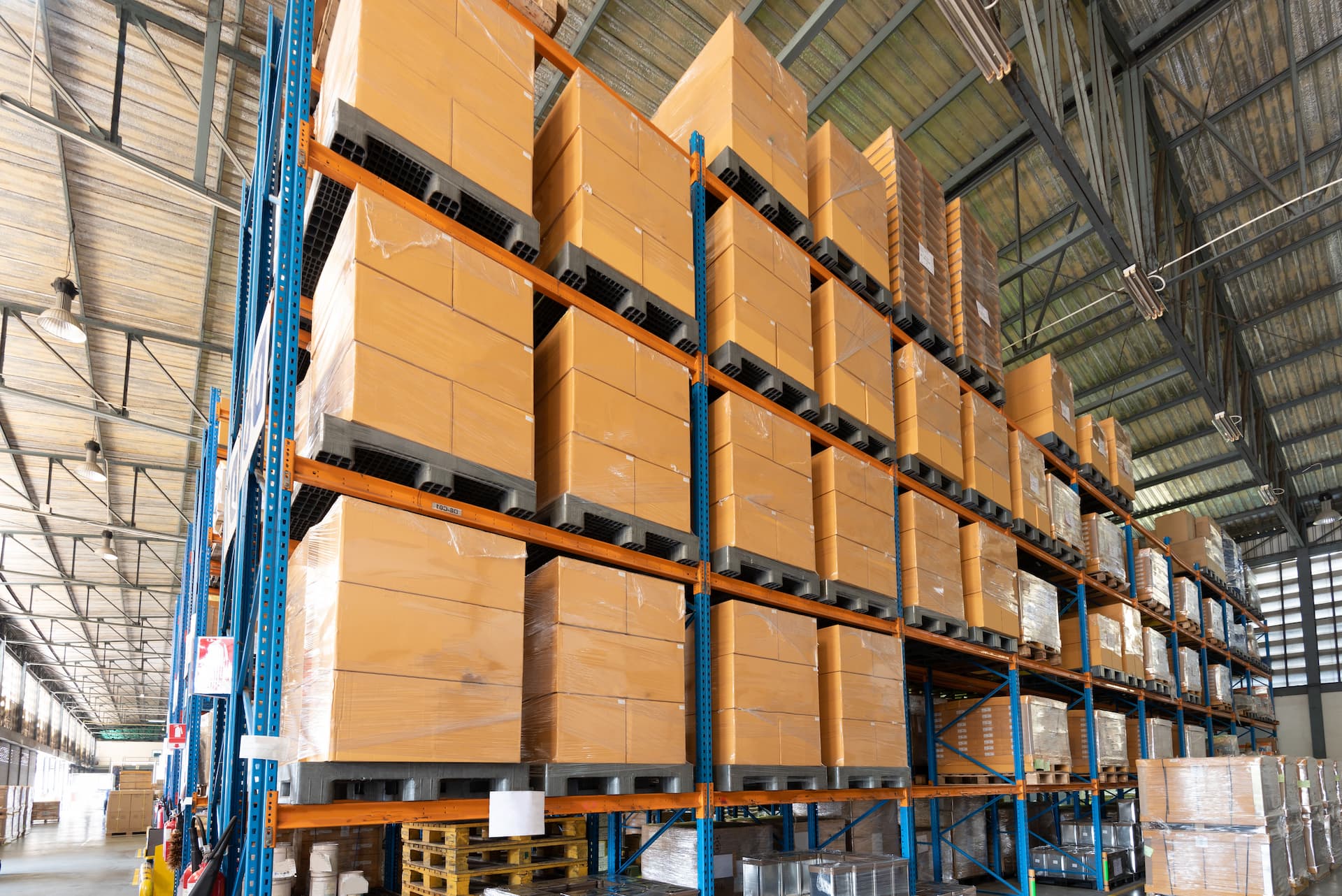
Shipping this cargo for the first time? An advisor walks you through the whole process.
Why Interworld Freight for aerospace logistics
Founded in 1992 and a founding member of the World Cargo Alliance, Interworld Freight combines certified operations (CTPAT, IATA) with a Miami warehouse hub and a team that knows the aerospace sector's rules.
Why aerospace shippers choose Interworld Freight
1
Sector compliance
Documentation and handling to the standards your commodity demands.2
The right equipment
From dry vans to temperature-controlled and specialized units, matched to the cargo.3
Customs handled
We manage customs clearance and paperwork at origin and destination.4
One accountable partner
A single advisor owns your shipment across air, ocean and road.Other industries we serve
Six sector programs with the same operation: certified handling, compliant documentation and one advisor accountable.


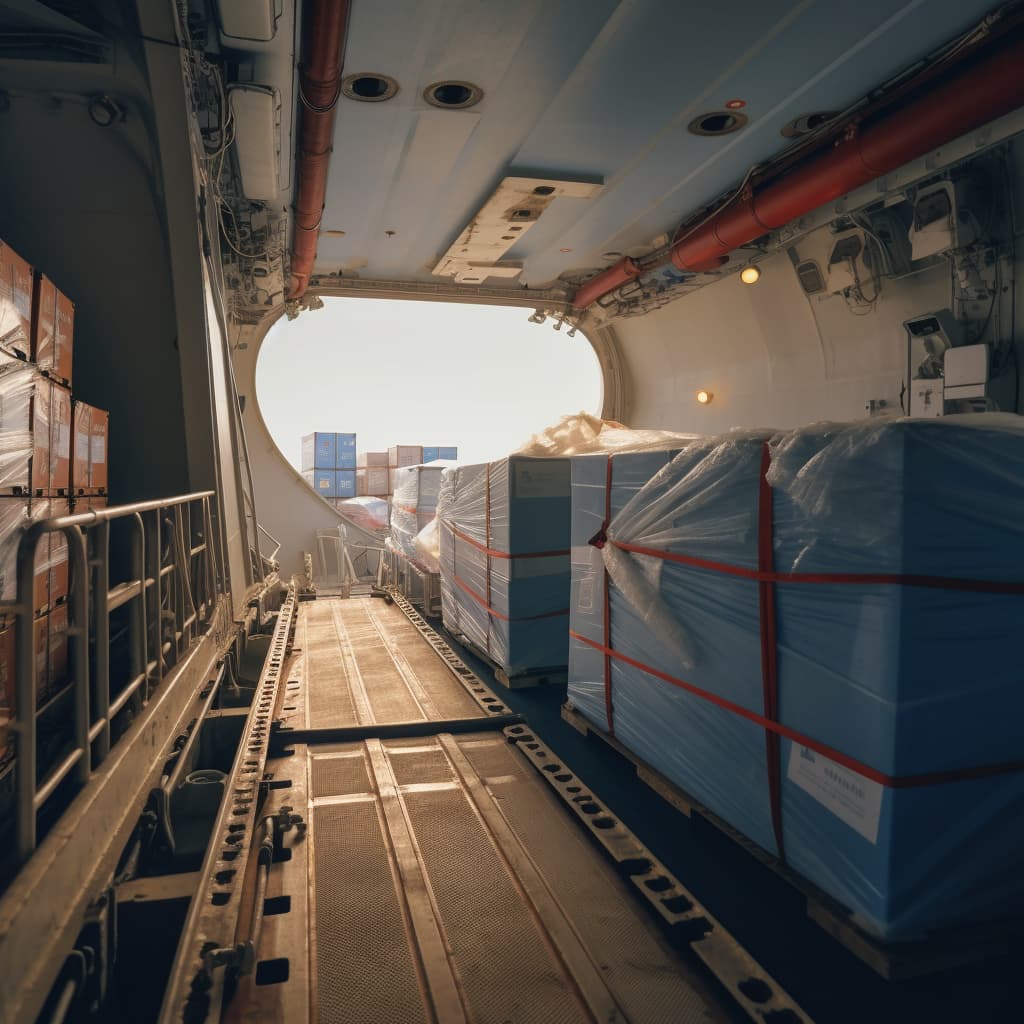



Clients who ship with us every week
Real reviews from our Google profile: 4.5 across 190+ ratings.
“I was very pleased with the service, from beginning to end. Everything was explained to me step by step till I was ready to pick up my machine from the warehouse. I didn't expect to get such service — so professional and knowledgeable.”
E
Ely Krasner
Google review
“Great experience working with them. 100% recommended.”
I
Interprint C.A.
Google review
“Excellent company to work with. Very professional.”
E
Elena
Google review
Aerospace logistics: frequently asked questions
Request your aerospace freight quote
Tell us what you ship and where it goes. An advisor who knows the aerospace sector replies within one business day with rate, next departure and the documents you need.
9601 NW 112th Ave, Miami, FL 33178
Documents we prepare for you
Bill of lading (BL) · Commercial invoice · Packing list

Talk to a person, not a bot
Daniel Zapata · Operations Director
Dani prices your lane himself and confirms rate, flight and documents, in English or Spanish. Answered by him, not a machine.
4.5 / 5
190+ reviews on Google. Exporters and importers already moving their cargo with Interworld.
Certifications & memberships





Global freight forwarder headquartered in Miami since 1992. Ocean, air and road freight, warehousing and container shipping worldwide.
Dominican Republic
Spring Center Plaza, suite 701, Arroyo Hondo, Distrito Nacional