
On this page11
Guatemalan customs are run by SAT, the tax and customs authority, which clears commercial imports on the electronic DUCA-D filed by a licensed customs agent. Duty is assessed on the customs value (CIF) under the Central American tariff, which runs from 0% to 15% for most goods and is zero for qualifying US goods under CAFTA-DR, and every import then pays 12% IVA.
Two numbers decide the landed cost: the duty line and the customs value. Our Guatemala container shipping service moves the cargo. This guide covers who files, which documents are needed, how duty and IVA stack and where shipments stall. The regional form is explained in our DUCA pillar guide, so this post sticks to what is specific to Guatemala.
Guatemala Customs at a Glance
| Item | Detail |
|---|---|
| Customs authority | Superintendencia de Administración Tributaria (SAT) |
| Electronic system | DUCA-D for imports from outside Central America, administered by SAT |
| Tariff framework | Central American common external tariff (SAC classification); CAFTA-DR with the US |
| Duty valuation basis | Customs value: transaction price plus freight, handling and insurance to the first port of arrival |
| VAT | 12% IVA (Decree 27-92, Articles 10 and 13) |
| Other import levies | Specific taxes on some goods, such as vehicles (check the tariff line) |
| Importer ID required | Registration with SAT: NIT and RTU (Registro Tributario Unificado) |
| Broker requirement | Licensed agente aduanero, mandatory for some customs regimes |
| De minimis | None identified for commercial cargo in the official sources reviewed |
How Does Customs Clearance Work in Guatemala?
Clearance follows the regional customs regulation (RECAUCA) with SAT's own systems and deadlines.
- Register the importer. The importing company holds an active SAT registration with NIT and RTU. Regulated products also need their sanitary registrations before arrival.
- Appoint a customs agent. The importer gives a licensed agente aduanero a mandate to act. The agent becomes the legal representative for the clearance and answers jointly with the importer before the tax authority.
- Classify and value. The agent assigns the SAC code and builds the customs value from the commercial invoice, adding international freight, handling and insurance up to the first port of arrival.
- Transmit the DUCA-D. The declaration is filed electronically with SAT, with duty and IVA paid by electronic means.
- Acceptance and risk analysis. Once SAT validates and registers the declaration, it goes through risk analysis and can be released or selected for verification.
- Verification. A selected declaration receives a documentary review or a physical and documentary examination. Under the regional regulation the physical examination takes place within 24 hours of the goods being available to the officer.
- Valuation flag. When SAT questions the value, the importer can request release against a guarantee while the value is determined, an expedited on-bond release that the U.S. Commercial Service reports can occur within 48 hours.
- Release. After clearance the cargo leaves the port or terminal.
The U.S. Commercial Service adds that Guatemalan customs uses a three-month price reference database to revalue products, which produces delays and additional VAT, and that valuation analysis for flagged merchandise is conducted after clearance.
Documents Required for Guatemala Customs
The DUCA-D must match the supporting documents, so assemble them before the cargo sails.
- Commercial invoice with real transaction prices, quantities, Incoterm and description
- Packing list with weights and package counts that match the transport document
- Bill of lading (ocean) or air waybill (air)
- CAFTA-DR certification of origin when claiming the preference, with the correct preference criterion
- Sanitary, phytosanitary or other certificates for regulated goods
- Power of attorney or mandate for the customs agent
- Registration or permit numbers for products that require them
According to the import requirements guide, the certification of origin is not mandatory under CAFTA-DR, but Guatemala says it must accompany the shipment to qualify for the tariff benefit. The correct preference criterion (a, b or c) goes in space 7 of the suggested form, and incorrect criteria have led to denied preferential tariffs. Labels must be in Spanish.
Guatemala Import Duty Rates by Product Category
Guatemala applies the Central American common external tariff, with rates set by the HS code, so confirm the exact line before quoting a landed cost.
| Category | Rate range |
|---|---|
| Most agricultural and industrial goods (non-preferential) | 0% to 15% |
| Alcoholic beverages | Up to 40% |
| Cigarettes with tobacco content, various vehicles, firearms | Up to 20% |
| White corn above the tariff-rate quota | 20% |
| Qualifying US goods under CAFTA-DR | 0% on most lines |
These figures come from the U.S. Commercial Service's Guatemala tariff guide, which reports an average applied rate of about 2.4% across all products. It also says that about 5,263 of 6,307 HS codes for US industrial and consumer goods enter duty free under CAFTA-DR, with the remaining 1,044 scheduled to be phased out by 2026. White corn is the only agricultural good still subject to a tariff-rate quota (27,200 metric tons in 2023, growing 2% a year). The Office of the U.S. Trade Representative describes the agreement itself.
How to Calculate Import Duty and Taxes in Guatemala
The cascade runs from customs value to duty to IVA on the accumulated base. Under Decree 27-92, IVA is charged at 12% (Article 10) on the CIF value plus tariff duties and other import surcharges (Article 13).
- Customs value (CIF) = goods price + international freight + insurance
- Duty = customs value x tariff rate (0% under a valid CAFTA-DR claim)
- Excise or other levies, when the product carries them
- IVA = 12% x (customs value + duty + other levies)
Illustrative example for goods that do not qualify for CAFTA-DR, with a 10% duty line (amounts in USD for readability):
| Step | Amount |
|---|---|
| Goods price | 10,000 |
| Freight and insurance | 1,000 |
| Customs value | 11,000 |
| Duty at 10% | 1,100 |
| IVA base (11,000 + 1,100) | 12,100 |
| IVA at 12% | 1,452 |
| Total taxes and duty | 2,552 |
With a valid CAFTA-DR claim the duty is zero, the IVA base is 11,000 and IVA is 1,320. The certification of origin is therefore worth 1,232 on this shipment.
Importer Registration and Customs Brokers in Guatemala
The importer must be registered with SAT and hold an RTU, which the U.S. Commercial Service lists as a requirement for temporary entry. Without an active registration the agent cannot file.
Guatemala notified the WTO that the use of customs agents is compulsory for some customs regimes. According to the Trade Facilitation Agreement database, agents are natural persons authorized by the customs service. They must hold a degree (or have two years of customs experience with a non-customs degree), pass a psychometric exam and a competence exam with at least 70% in each test covering classification and origin, valuation, and customs law, and post an operating guarantee. The RECAUCA makes the agent the importer's legal representative and, once the declaration is accepted, the principal cannot replace the mandate except for proven force majeure.
A customs broker carries real legal weight in Guatemala, so choose one with experience in your product category and put the mandate in writing.
Exemptions, Free Zones and Special Regimes in Guatemala
CAFTA-DR is the main route to relief for US goods. Beyond it, the regional regulation defines temporary entry, transit and free zone regimes that Guatemala applies through SAT.
- CAFTA-DR preference: duty-free access for qualifying US goods, claimed on the DUCA-D with a certification of origin. The certificate of origin can be corrected only at the time of importation, according to the U.S. Commercial Service, so check it before the cargo sails.
- Temporary entry: importing temporarily requires SAT registration with an RTU, an application to the customs office, a DUCA, and a new DUCA to cancel the regime once the deadline expires. The regional regulation sets the general period at six months for temporary import with re-export in the same state, with up to three months for containers, chassis and platforms, unless a country sets special periods.
- Free zones and inward processing: the RECAUCA recognizes these regimes, and Guatemala regulates them by national law. Confirm eligibility and the authorization before shipping.
- Central American customs union: trade in originating regional goods moves on the DUCA-F, and Guatemala and Honduras have run a customs union framework since 2017, with free movement of goods and people.
Import Permits and Licensing Agencies in Guatemala
Permits are issued by the ministries before the cargo is declared, not by customs at the port.
- Ministry of Health (MSPAS): sanitary registration and licenses for food, pharmaceuticals, medical devices, dental materials, laboratory reagents and cosmetics. All sanitary registrations are valid for five years and can be renewed for five more.
- Cosmetics: the holder of the sanitary registration must be a Guatemalan entity, and a power of attorney must be apostilled or legalized.
- MAGA (Ministry of Agriculture): plant, animal and food-safety requirements for agricultural products, supported by US certificates such as the APHIS phytosanitary certificate and USDA sanitary certificates for meat and dairy.
- OIRSA: plant health inspection at the border, including checks of wood packaging.
Common Customs Delays in Guatemala and How to Avoid Them
- Valuation reviews. Customs revalues goods against a three-month price database. Invoice at real transaction prices, include freight and insurance, and keep payment records. For flagged shipments, ask the agent about release on bond.
- Preference errors. A wrong preference criterion on the certification of origin costs the CAFTA-DR rate. Verify the form before the cargo ships.
- Wood packaging. Pallets and crates are inspected, and the U.S. Commercial Service reports that a pallet without the ISPM 15 mark halts the entire shipment, with a 72-hour hold for fumigation.
- Samples. Guatemalan customs does not recognize samples for clearance purposes, so declare them at commercial value.
- Unlisted goods. Extra products that are not on the invoice cause port delays.
- Missing permits. Food, medicines and cosmetics need registration before arrival. Demurrage and storage start the day the container is discharged.
Clearing Cargo to Guatemala With Interworld Freight
Interworld Freight was founded in Miami in 1992 and runs a Miami hub with warehousing, ocean FCL and LCL, air freight and customs coordination with licensed brokers at destination. We check the invoice, packing list and certification of origin against the data the Guatemalan agent will transmit. Port, routing and transit details are in our Guatemala shipping guide. Cargo that continues overland follows the rules in our Honduras customs guide. Send the shipment details and you will receive a quote within one business day.
Frequently Asked Questions
Who handles customs clearance in Guatemala?
SAT, the Superintendencia de Administración Tributaria, handles both taxes and customs. Commercial imports are cleared on the DUCA-D, which a licensed customs agent files electronically.
What is the import duty in Guatemala?
Most goods pay a duty between 0% and 15% under the Central American common tariff, with higher rates for alcohol and a few other products. Qualifying US goods enter at 0% under CAFTA-DR.
What is the import tax rate in Guatemala?
IVA is 12% on every import. It applies to the CIF value plus duties and other import surcharges, including goods that enter duty free under CAFTA-DR.
Do I need a customs agent to import into Guatemala?
Yes for commercial imports. Guatemala notified the WTO that using customs agents is compulsory for some regimes, and the agent files the DUCA-D and represents the importer before SAT.
Is there a de minimis threshold in Guatemala?
Not for commercial cargo as far as the official sources we reviewed show. Samples are not recognized for clearance and must be declared at commercial value.
What happens if SAT questions the declared value?
The shipment can be revalued against a three-month price reference database, which adds delay and IVA. The importer can ask for release against a guarantee while value is determined, which the U.S. Commercial Service says can happen within 48 hours.
What is the DUCA-D?
It is the Central American single customs declaration for imports and exports with countries outside the region. SAT administers it in Guatemala.
Why was my CAFTA-DR preference denied?
The usual cause is an error in the certification of origin, mainly the preference criterion in space 7, or goods that do not meet the rules of origin. SAT then applies the non-preferential duty.
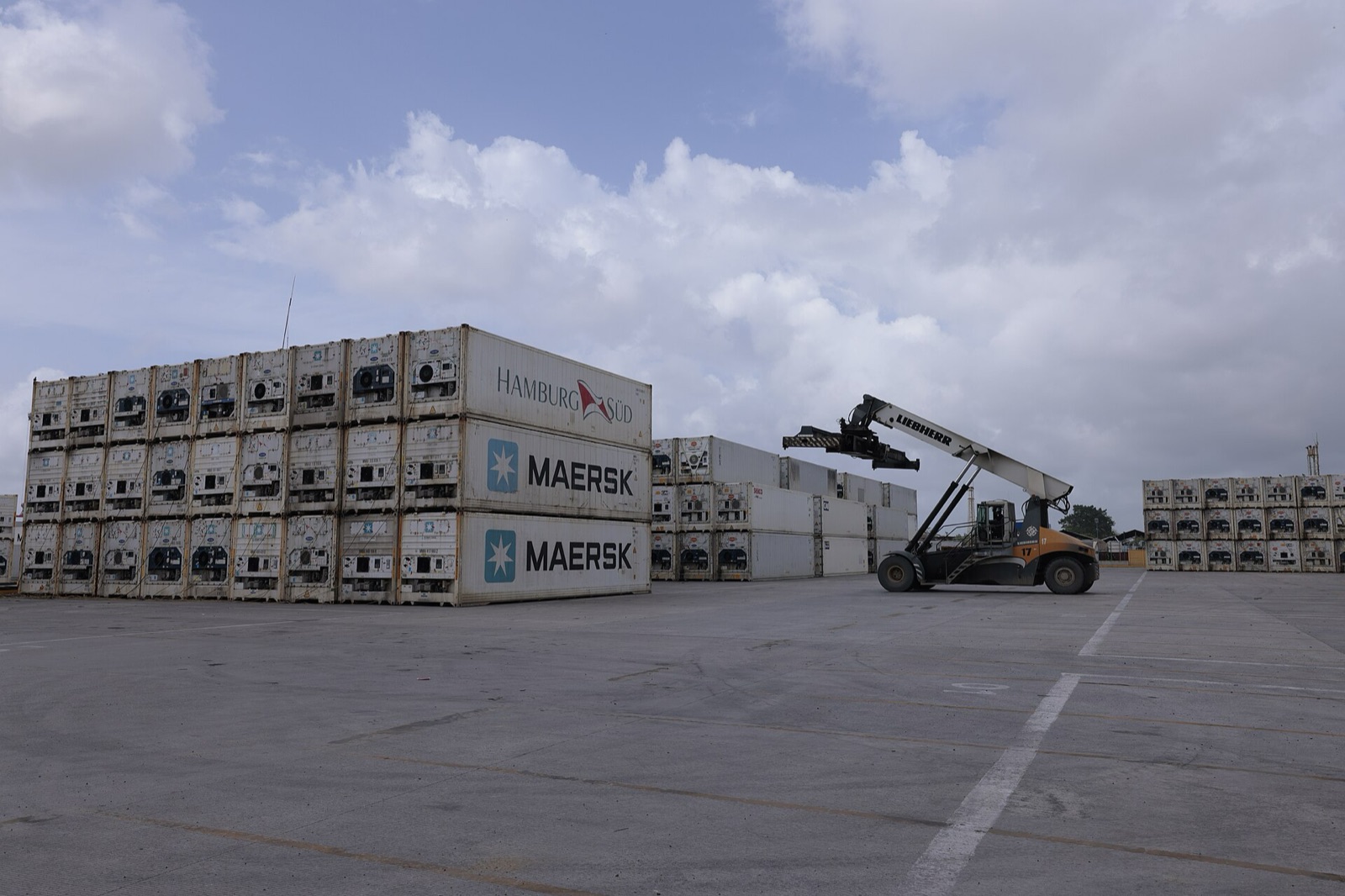
Photo: Santo Tomás de Castilla port, Guatemala. Gobierno de Guatemala, Public domain, via Wikimedia Commons.
Ready to ship your freight?
