
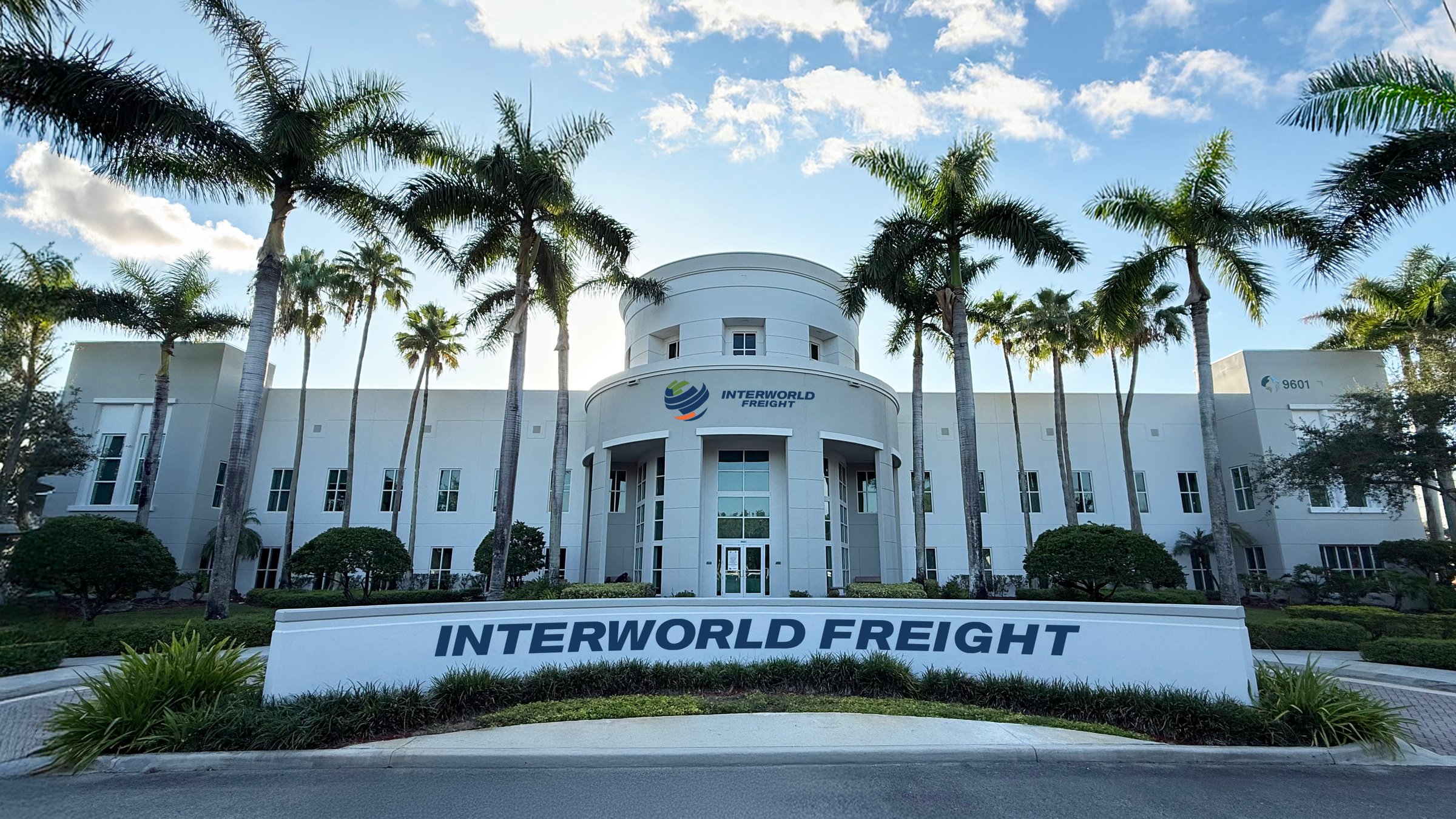
What is a Freight Forwarder?
A freight forwarder is a company or individual that arranges the transportation of goods on behalf of a shipper. Freight forwarders act as intermediaries between the shipper and various transportation services, including carriers, customs, and warehouses, to ensure the smooth movement of goods from origin to destination. Freight forwarding services streamline the shipping process by managing logistics, documentation, and compliance, making them essential for global trade.
Types of Freight Forwarding Services
Freight forwarding services encompass a wide range of logistics and transportation solutions to meet different shipping needs, from small parcels to large cargo shipments.
Air Forwarding
Air forwarding is a type of freight forwarding service that focuses on shipping goods via air. It’s ideal for time-sensitive shipments that need to be transported quickly across long distances. Freight and forwarding by air are common in industries like electronics, pharmaceuticals, and fashion, where speed is crucial.
Cargo Freight Forwarders
Cargo freight forwarders specialize in managing and coordinating the transportation of bulk goods, heavy machinery, and other large shipments. These forwarders are skilled in organizing complex logistics, including freight handling for oversized or sensitive items.
International Freight Forwarding Services
International freight forwarders provide services that facilitate the movement of goods across borders. This includes handling customs documentation, coordinating with global carriers, and ensuring compliance with international regulations. International freight forwarding services are essential for businesses involved in import/export operations and global forwarding.
Services Provided by Freight Forwarders
Freight forwarders offer a variety of services that simplify the shipping process for businesses. Here’s a quick overview of the key services provided by freight forwarding service providers:
- Transportation Management: Coordinating the movement of goods across multiple carriers.
- Customs Clearance: Ensuring compliance with international customs regulations.
- Documentation: Handling shipping documentation, including bills of lading and export/import declarations.
- Freight Handling: Managing the physical handling of goods, such as loading and unloading.
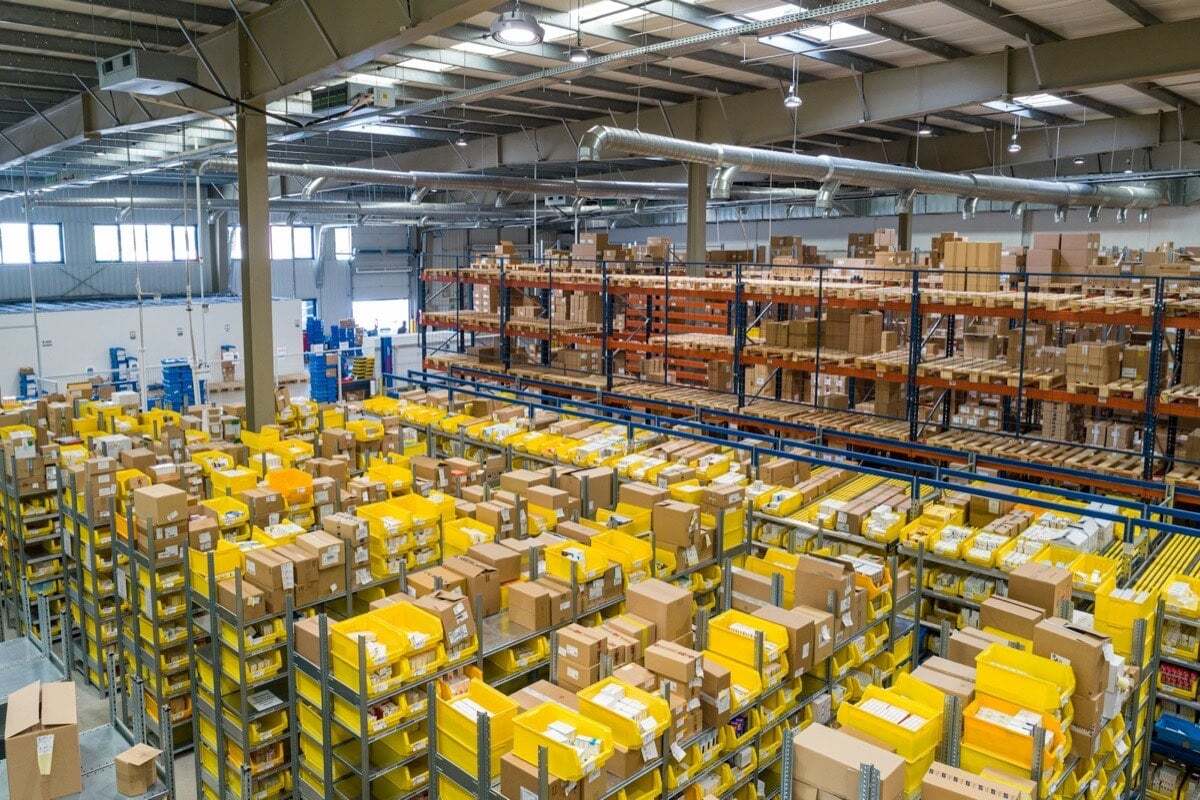
- Warehousing and Storage: Providing temporary storage solutions during transit.
Global Forwarding and Logistics Solutions
Global forwarding freight services play a crucial role in the supply chain, offering solutions that integrate transportation, warehousing, and logistics management. These solutions are designed to optimize global trade operations, reduce costs, and ensure timely delivery of goods. Whether it’s cargo forwarding services or managing logistics freight forwarding, global forwarding companies provide the expertise needed to handle complex international shipments.
Forwarding and Logistics Integration
Forwarders and logistics companies often work together to offer seamless forwarding and logistics services. Forwarding freight services can be integrated with logistics operations to create end-to-end solutions that cover every aspect of transportation, from the point of origin to the final delivery.
Choosing the Right Freight Forwarder
When selecting an international freight forwarder, it’s important to consider factors such as experience, network capabilities, and expertise in customs clearance. An experienced freight forwarder can ensure smooth transport and mitigate the risks involved in cross-border shipping.
International Freight Forwarder Selection
- Expertise: Look for freight forwarders with specific knowledge in your industry.
- Network: Choose a company with global coverage, ensuring seamless transitions between carriers.
- Customs Clearance: Ensure the forwarder has experience with international freights and customs regulations.
Freight Forwarding Services Near Me
For businesses searching for freight forwarding services near me, local and international providers offer tailored solutions depending on the scale of your business. Global companies and smaller, local forwarders can help with both domestic and international shipping needs.
Cost Considerations in Freight Forwarding
The cost of freight forwarding services depends on several factors, including:
- Mode of Transport: Air forwarding is typically more expensive than sea or land freight.
- Distance: The further the distance, the higher the cost of shipping.
- Cargo Size: Larger, bulkier shipments will incur higher costs.
- Customs Duties and Taxes: Import/export duties can add to the total cost of freight forwarding.
Understanding these cost factors is crucial when planning international shipments.
Global Freight Solutions
Many businesses rely on global freight solutions to manage the complexity of international trade. These solutions involve the integration of transportation, warehousing, customs, and documentation services, providing comprehensive support for moving goods globally.
Frequently Asked Questions (FAQs)
What Are the Benefits of Using a Freight Forwarder?
The benefits of using a freight forwarder include streamlined logistics, cost savings, and risk mitigation. Freight forwarders manage the entire shipping process, from selecting the best carriers to handling customs clearance, making it easier for businesses to focus on their core operations without worrying about transportation logistics. A forwarder also books space with ocean carriers and airlines, consolidates LCL cargo, prepares the bill of lading and arranges cargo insurance.
How Do Freight Forwarding Services Handle Customs Clearance?
Freight forwarding services handle customs clearance by preparing and submitting all necessary documentation to customs authorities, ensuring compliance with import/export regulations. They also work with customs brokers to resolve any issues that may arise during the clearance process, facilitating smooth and timely delivery of goods. For US imports, the ISF 10+2 is filed 24 hours before loading and the cargo is entered through CBP's ACE on Form 7501, with the HTSUS classification setting the duty.
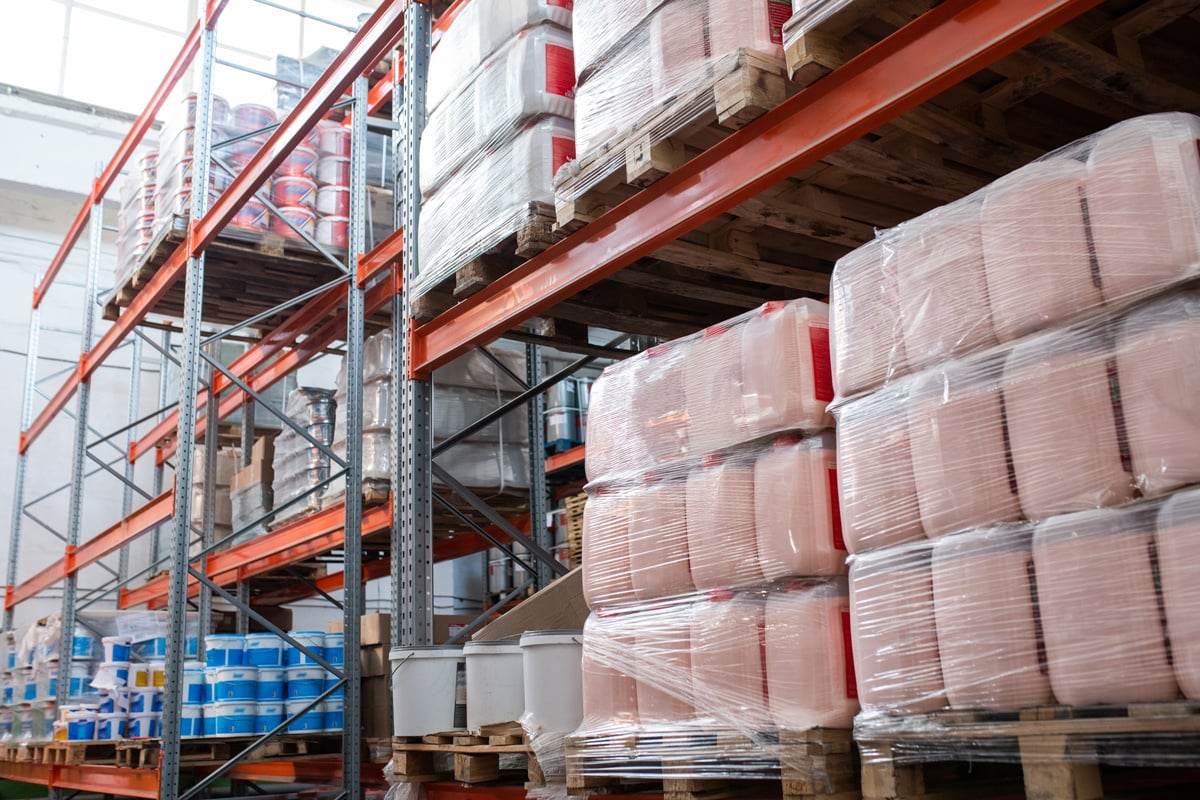
Interworld Freight cargo services

Ready to price your shipment?
