
Freight forwarder · Since 1992
Freight Forwarder in Miami
Ocean FCL, LCL and RoRo, standard or charter air freight, drayage and door-to-door DDP service out of Miami, with customs clearance and bonded warehouse access.
4.5 on Google · 190+ reviews
Since 1992
WCA founding member
Ocean · air · road
Door to door

Freight forwarding quote
Reply within one business day
What can we ship for you from Miami?
Ocean, air and road freight in Miami, with customs clearance, documentation and warehousing coordinated by one team. Choose what you need and an advisor confirms your rate and next departure within one business day.
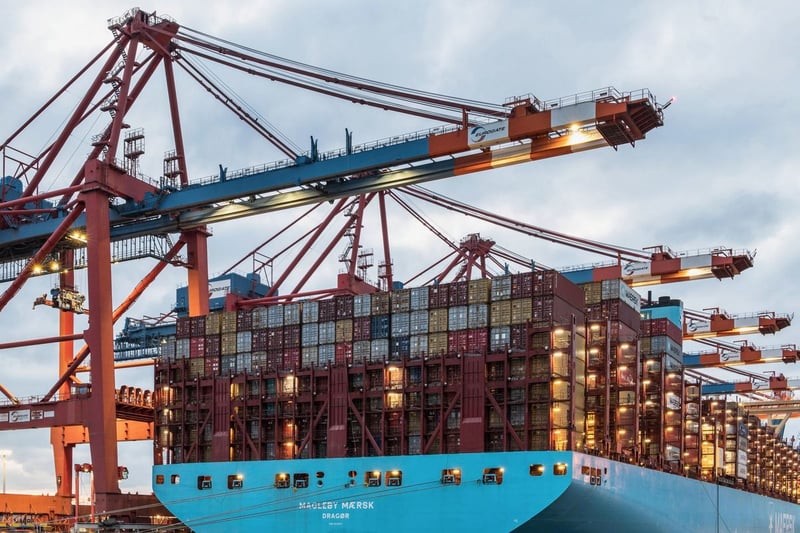
Ocean freight (FCL and LCL)
Request a quote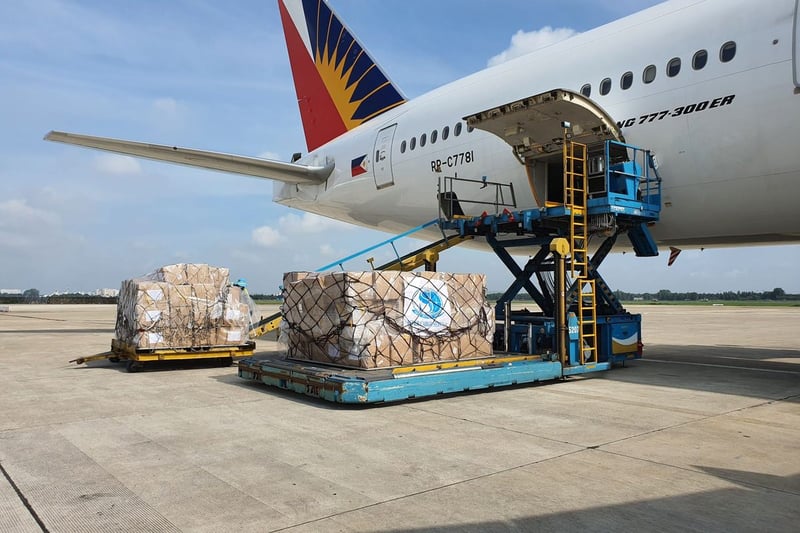
Air freight
Request a quote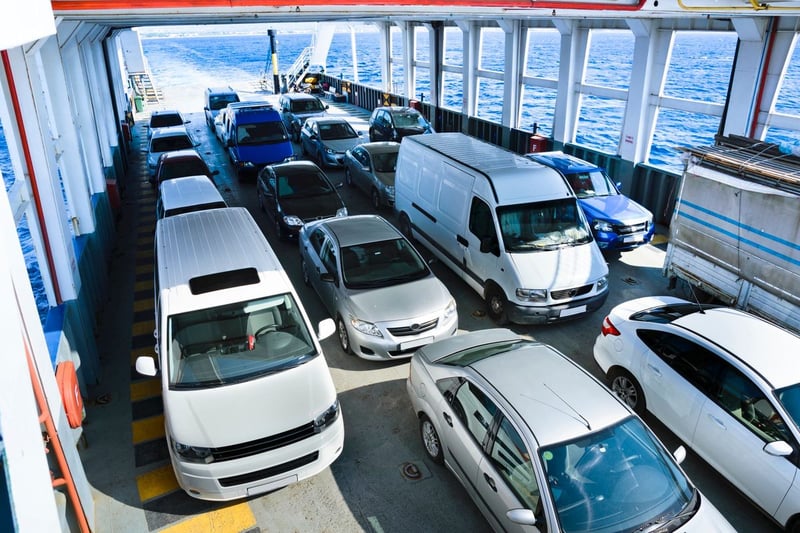
RoRo vehicles and equipment
Request a quote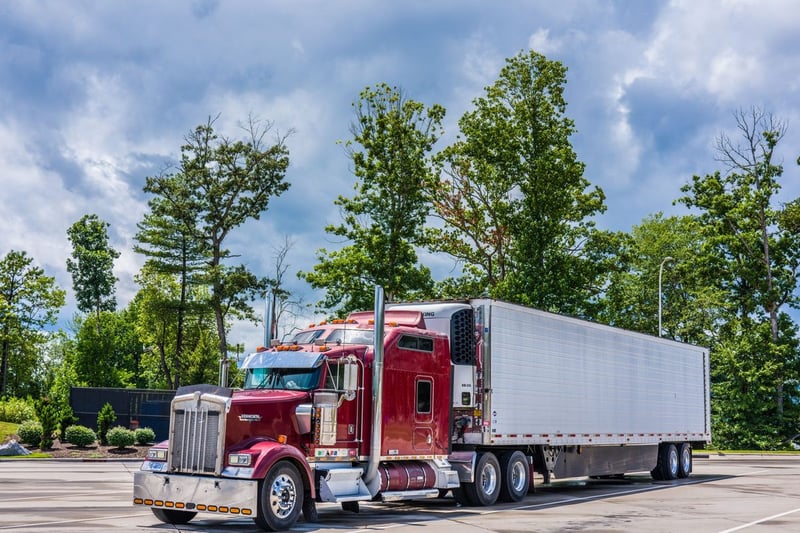
Road freight and drayage
Request a quote
Door-to-door and DDP
Request a quote
Warehousing and cross-docking
Request a quoteTo quote faster, include
Origin and destinationMode: ocean, air or roadCargo type and volumeCustoms or warehousing needs
Request a freight quote
No commitment
A freight forwarder with 30+ years of experience in Miami
Clients looking for a full-service logistics company Miami can depend on InterWF for real-time cargo tracking, 24/7 operations support, NVOCC and IAC certifications, and strong partnerships with U.S. customs brokers. Our on-site warehousing, FTZ services, and expertise in handling project freight and hazardous goods set us apart.
Freight Forwarding Expertise
Our Miami-based team brings decades of experience in international freight forwarding. We manage complex logistics operations with confidence, ensuring your cargo moves smoothly across borders and transport modes.
End-to-End Logistics Partner
From first-mile pickup to final delivery, we coordinate every detail of your freight journey. Our integrated approach ensures efficiency, reduces delays, and keeps your supply chain connected at every stage.
Custom Logistics Solutions
Every shipment is different. That’s why we design freight forwarding plans tailored to your route, product type, and timeline, whether you’re moving high-value electronics or temperature-sensitive goods.
WCA founding member
IATA and CTPAT certified, WCAworld Best Partner 2022, with 350+ people in 4 own offices.
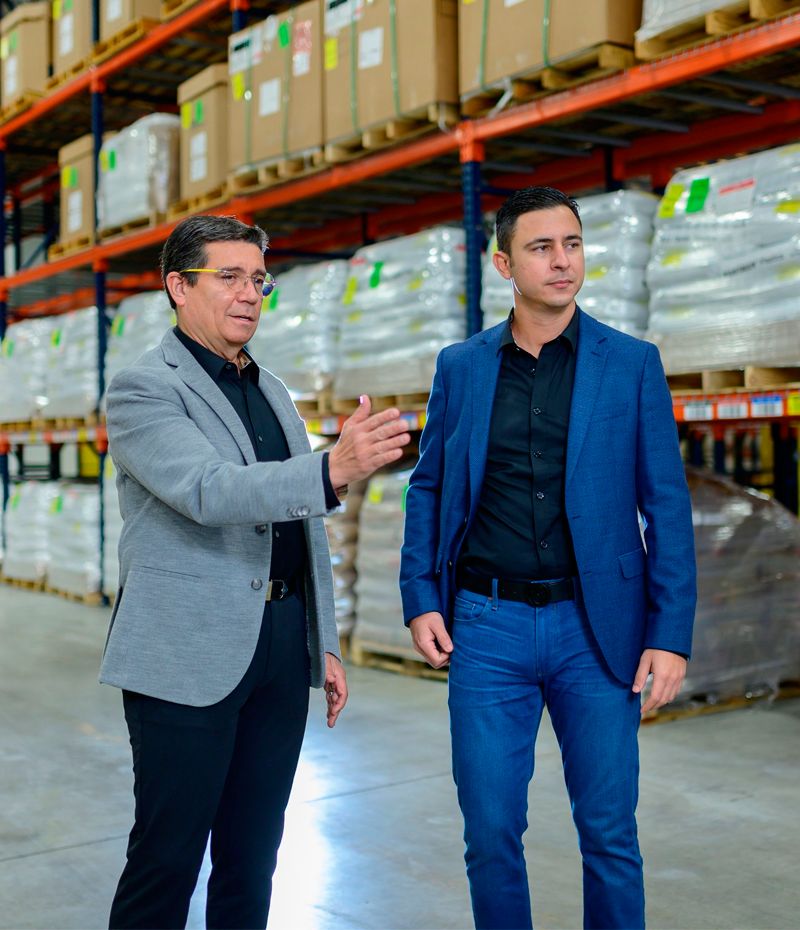
Freight forwarding services in Miami
Ocean, air and road freight in Miami, with customs clearance, documentation and warehousing coordinated by one team.
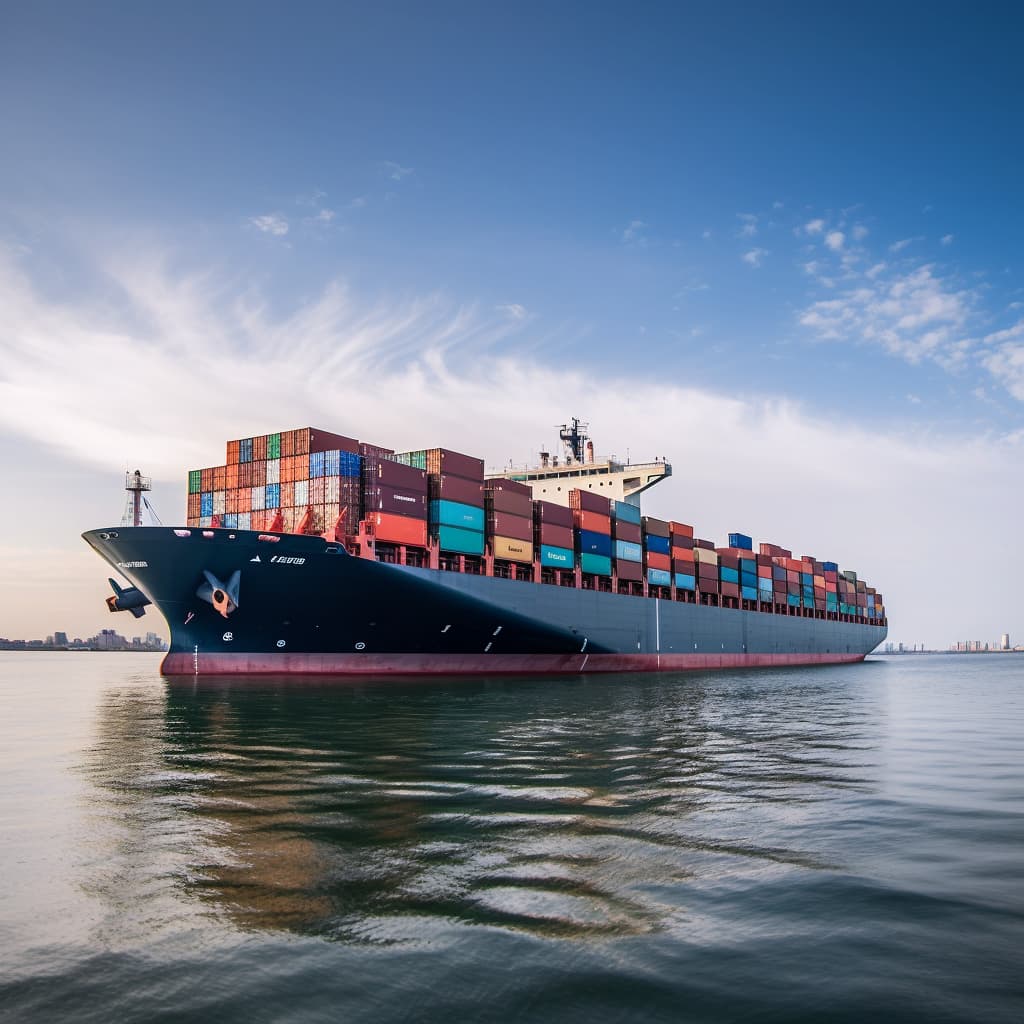
Ocean freight forwarding for FCL, LCL, and RoRo shipments, backed by the experience of a top Miami ocean freight forwarder.
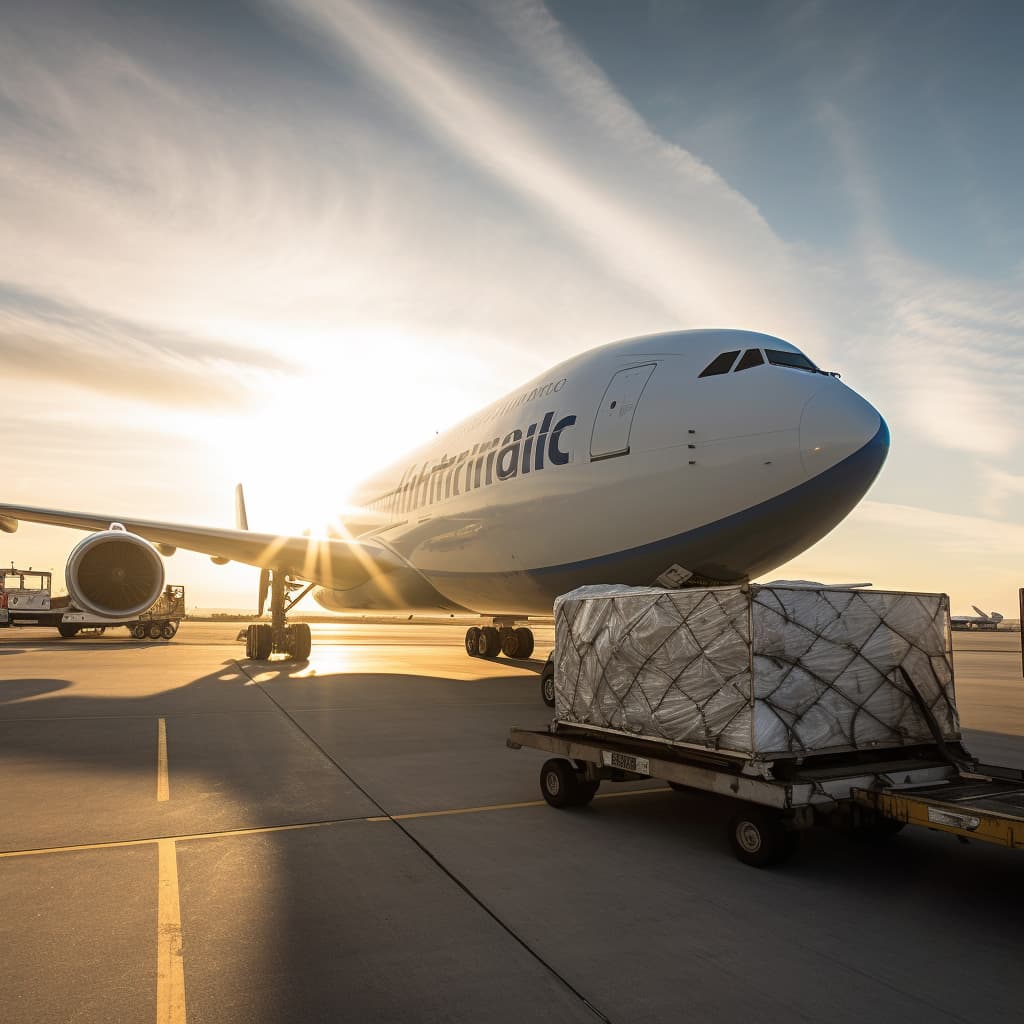
Air freight forwarding out of MIA with standard, expedited, and charter options that make us the air freight forwarder Miami shippers choose.
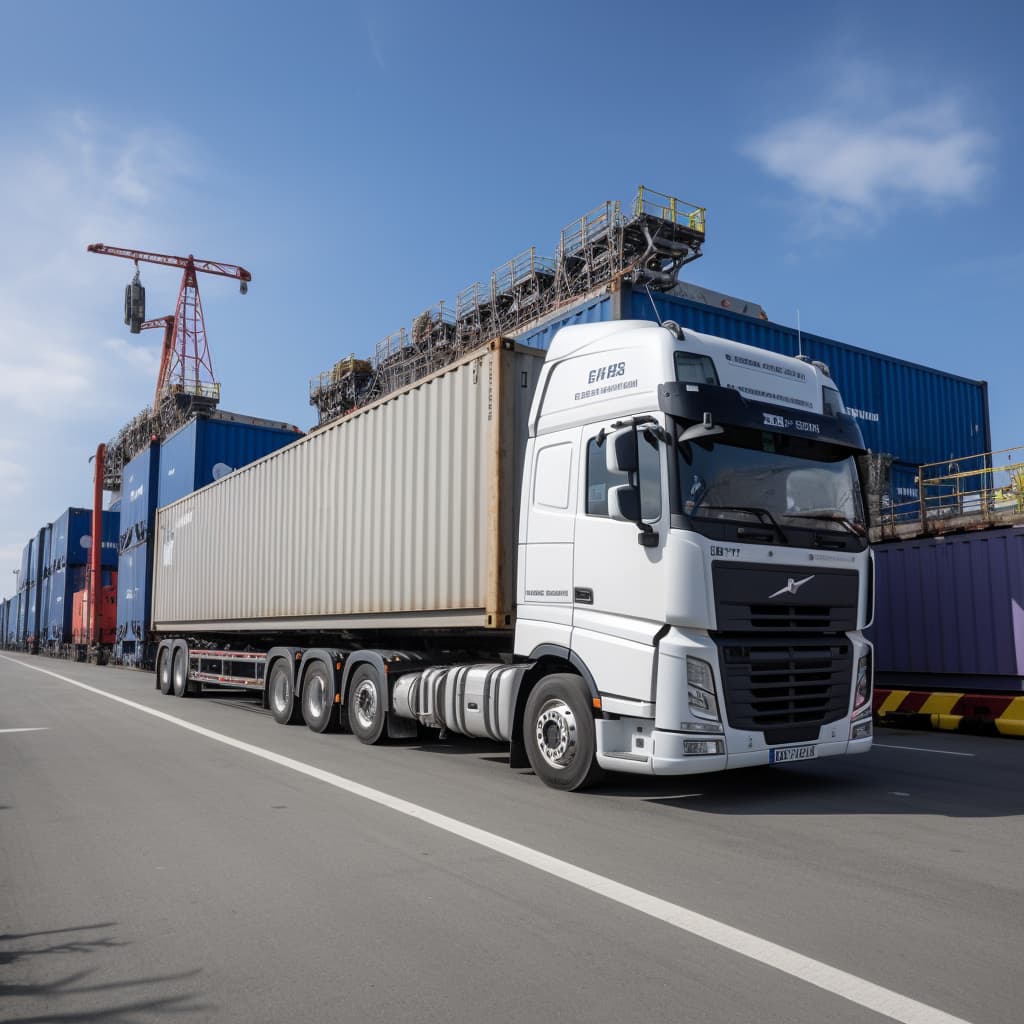
Road freight and container drayage at PortMiami and Port Everglades, from local port pickups to long-haul trucking across the continental U.S.
Multimodal shipping that integrates sea-air and intermodal solutions for faster transit times.
Door-to-door delivery and DDP service, including customs clearance and access to bonded warehouse and cross-docking.

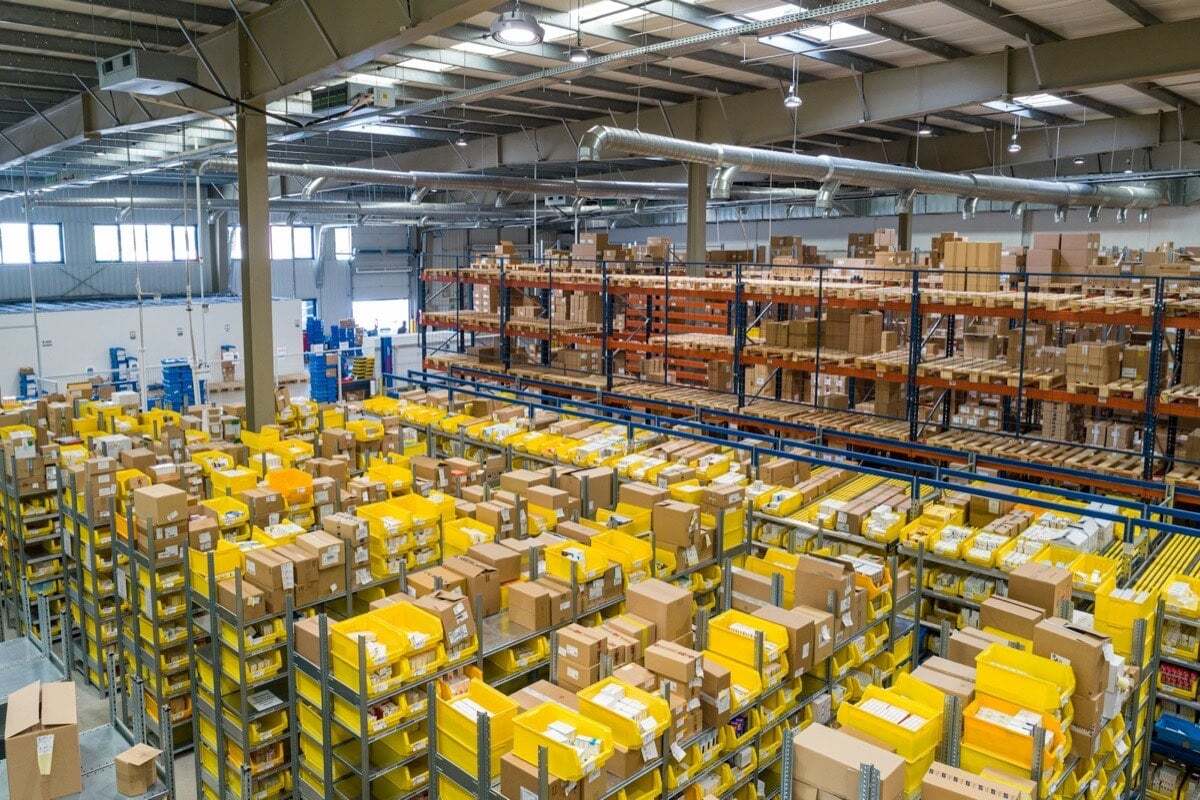
First time working with a forwarder? An advisor walks you through modes, documents and timelines.
How to ship with Interworld Freight in Miami
1
Quote your cargo. Tell us origin, destination and commodity; we confirm the rate and next departure within one business day.
2
We book the right mode. Ocean, air or road, matched to your deadline and budget.
3
Ship and clear customs. We handle the documents and customs clearance at destination.
More about freight forwarding in Miami
Freight forwarder in Miami, Florida
Your Miami logistics hub for global shipping
As a leading freight forwarder in Miami, Florida, InterWF combines local expertise with international reach. Whether you need a reliable shipping company in Miami, Florida or you’re comparing freight forwarding companies Miami businesses trust, our bilingual team ensures smooth coordination between the U.S. and LATAM markets.
Bilingual team: English · SpanishU.S. ↔ LATAMInternational reach
Freight forwarding for every industry
Interwf serves diverse sectors, from eCommerce and retail to automotive and heavy machinery.
Food & beverage
Temperature-controlled transport.
Pharma
Cold-chain management.
Machinery
Oversized cargo solutions.
Technology
Secure electronics shipping for technology brands.
As one of the leading international freight forwarding Miami providers, we adapt to your industry’s specific requirements.
Miami freight forwarding services
We tailor solutions to your cargo and deadlines.
No-commitment quote · Reply within one business day
Ready to price your shipment in Miami?
Rate and next departure confirmed within one business day, with a clear breakdown from the first email: no surprises, no fine print.
30,000+TEUs / year
4.5Mair kg / year
350+employees
Quote your cargo today
4.5 · 190+
A freight forwarder since 1992. An advisor confirms rate, departure and documents.
Get a freight quote
Talk to an expert
or call +1 (646) 722-0968
Related freight services
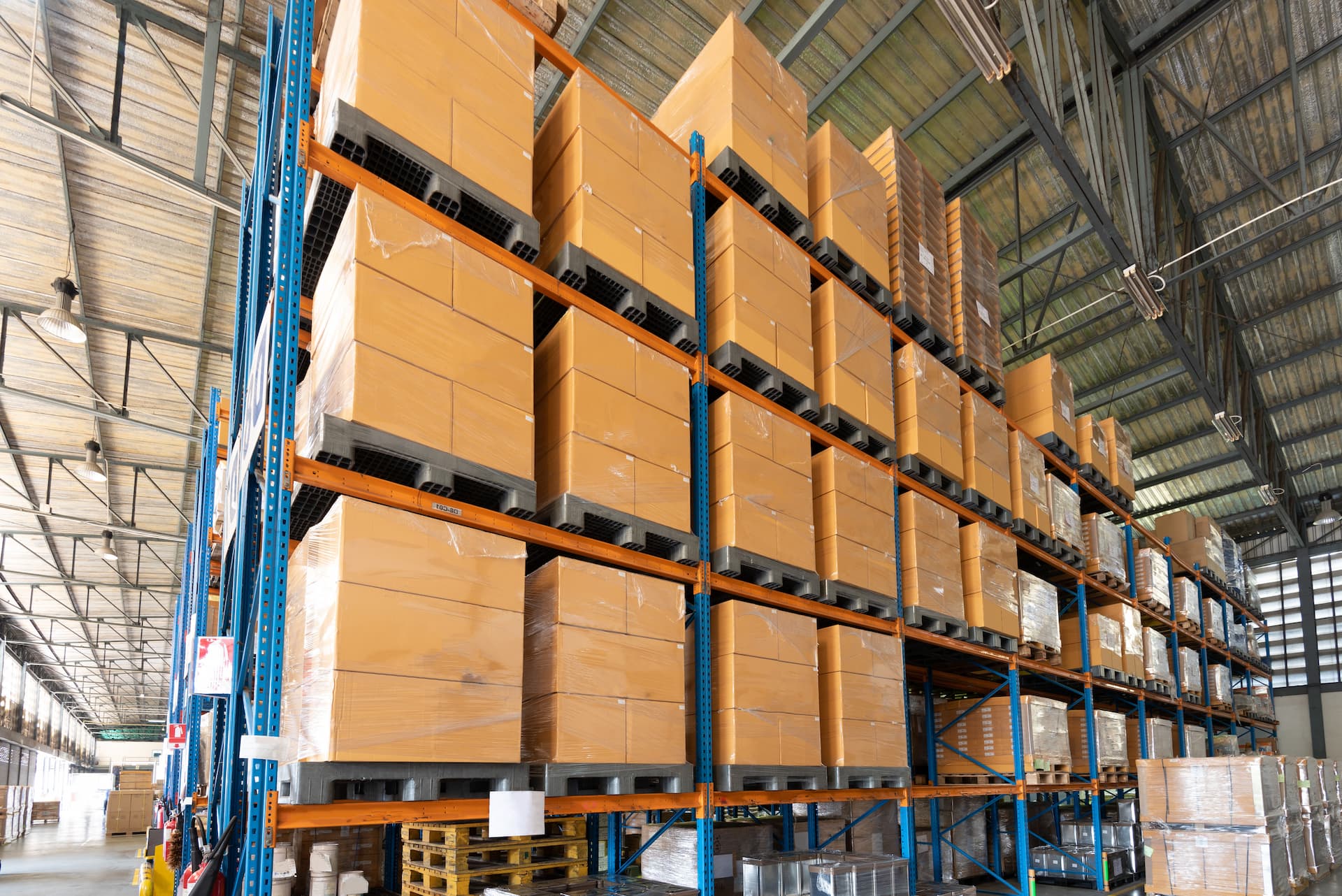
Freight forwarding for specific industries
Industry programs with the documentation and handling each commodity demands.
More freight forwarding lanes

Freight forwarding in Miami: frequently asked questions
Request your freight quote
Tell us what you ship, from where and to where. An advisor replies within one business day with your rate, next departure and the documents you need.
9601 NW 112th Ave, Miami, FL 33178
Documents we prepare for you
Bill of lading or air waybill · Commercial invoice · Packing list

Talk to a person, not a bot
Daniel Zapata · Operations Director
Dani prices your lane himself and confirms rate, departure and documents, in English or Spanish. Answered by him, not a machine.
4.5 / 5
190+ reviews on Google. Exporters and importers already moving their cargo with Interworld.
Certifications & memberships





Global freight forwarder headquartered in Miami since 1992. Ocean, air and road freight, warehousing and container shipping worldwide.
Dominican Republic
Spring Center Plaza, suite 701, Arroyo Hondo, Distrito Nacional