
Hazmat Warehouse in Peru

Hazmat warehouse in Peru for chemical and industrial goods
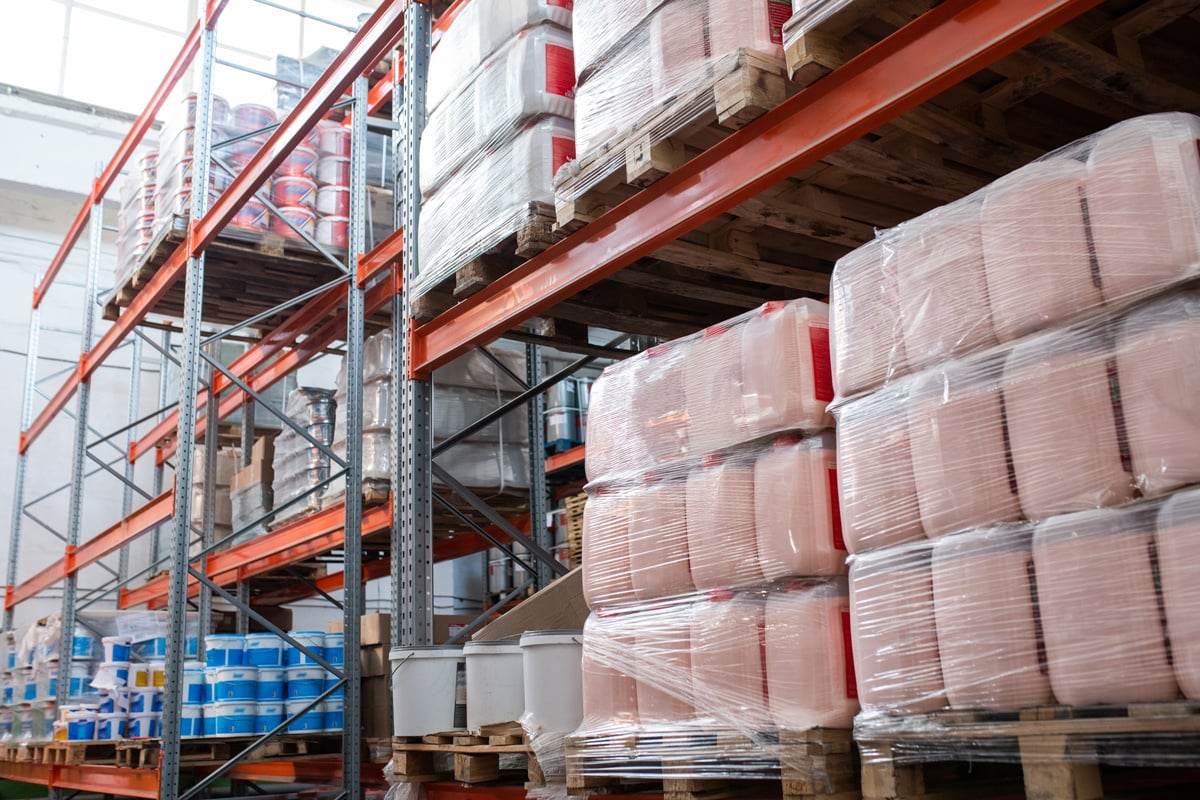
Interworld Freight runs a hazmat warehouse in Peru authorized to handle a wide range of regulated materials, from chemicals and industrial materials to pharmaceutical goods, designed and operated under OSINERGMIN regulations, Ministry of Transport requirements and international standards for safe storage and handling.
Handling hazardous materials incorrectly can cause safety incidents, environmental contamination, regulatory fines and supply chain disruptions. Our facility stands apart for its combination of regulatory expertise, purpose-built infrastructure and operational discipline: trained hazmat professionals ensure full compliance with all applicable regulations in Peru, and automated compatibility checks in Korber Warehouse Edge WMS eliminate the risk of human error in storage assignments.
Regulations, gateways and hazard classes behind our hazmat storage in Peru
Regulations and standards 4
Gateways 2
Hazard classes stored 8
Hazardous materials we store in Peru
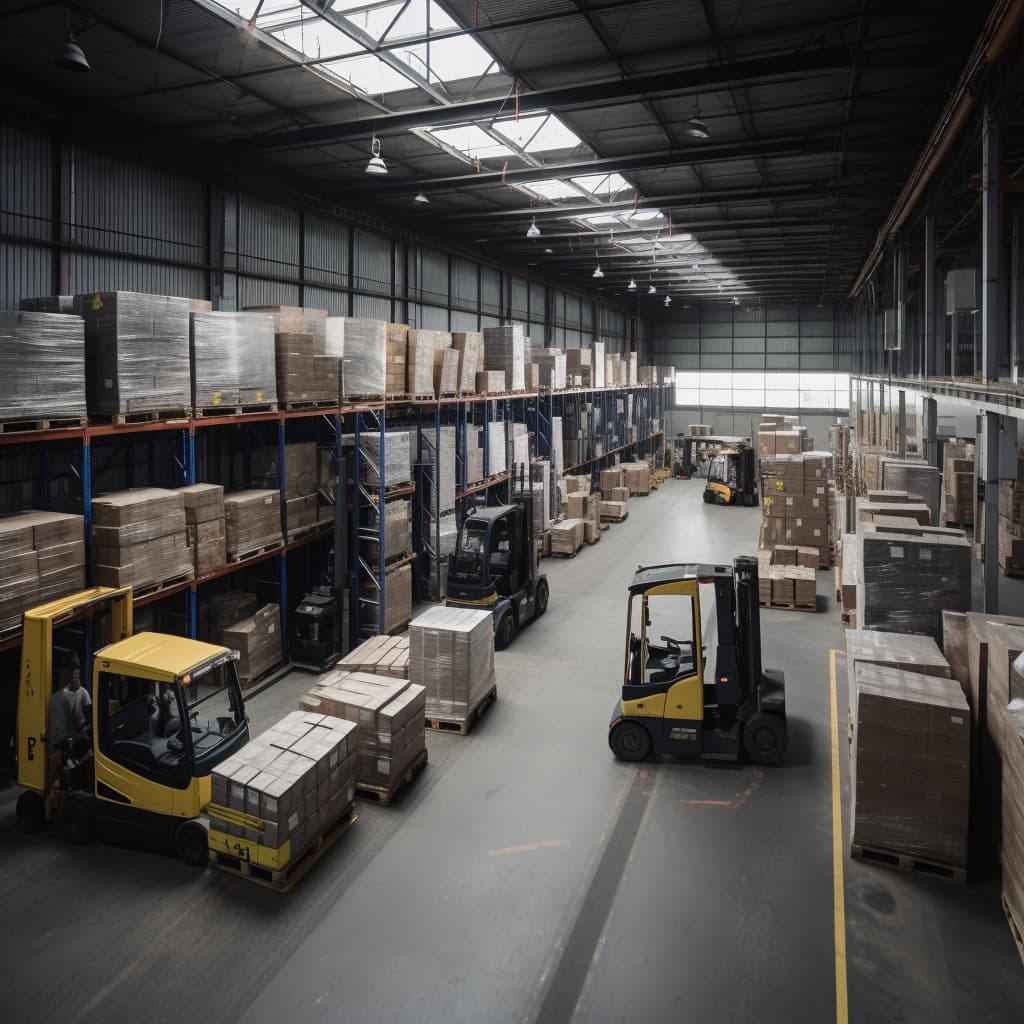
Gases and flammable liquids
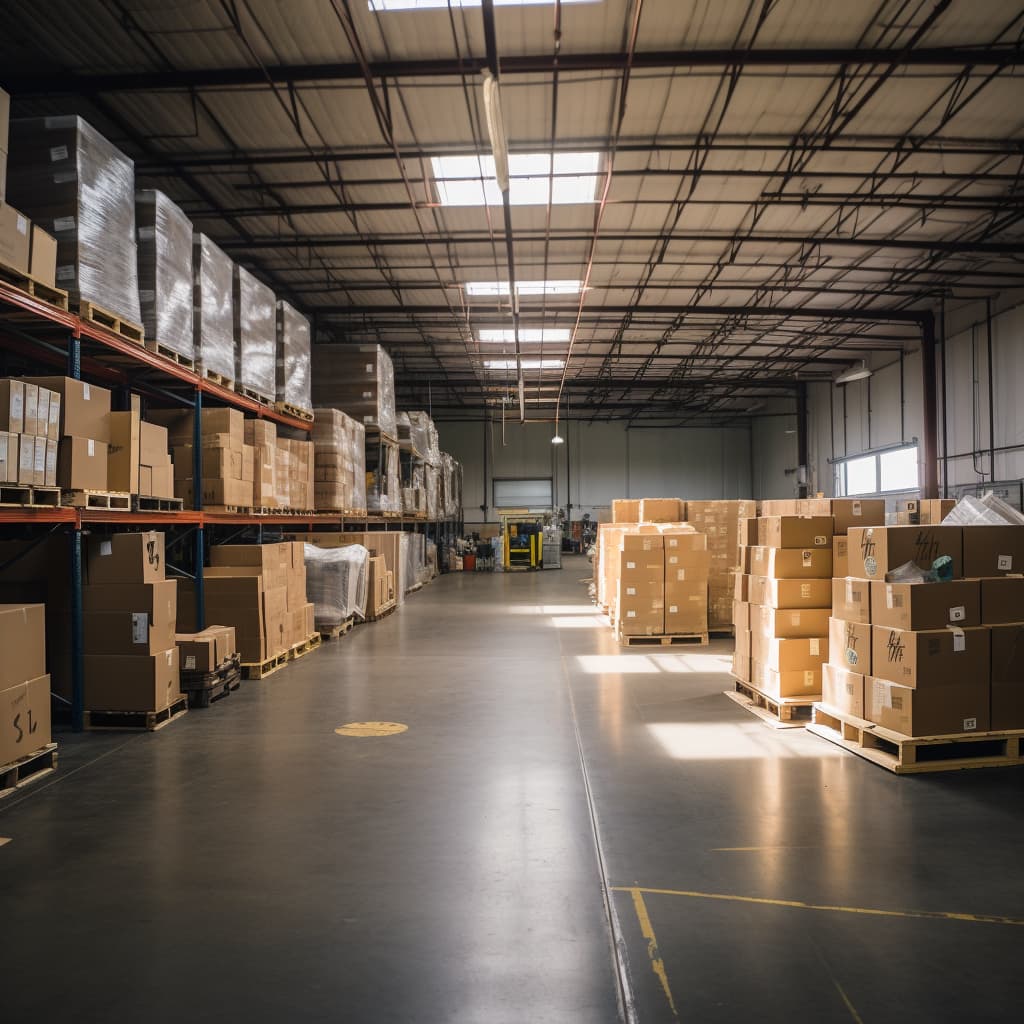
Flammable solids and oxidizers
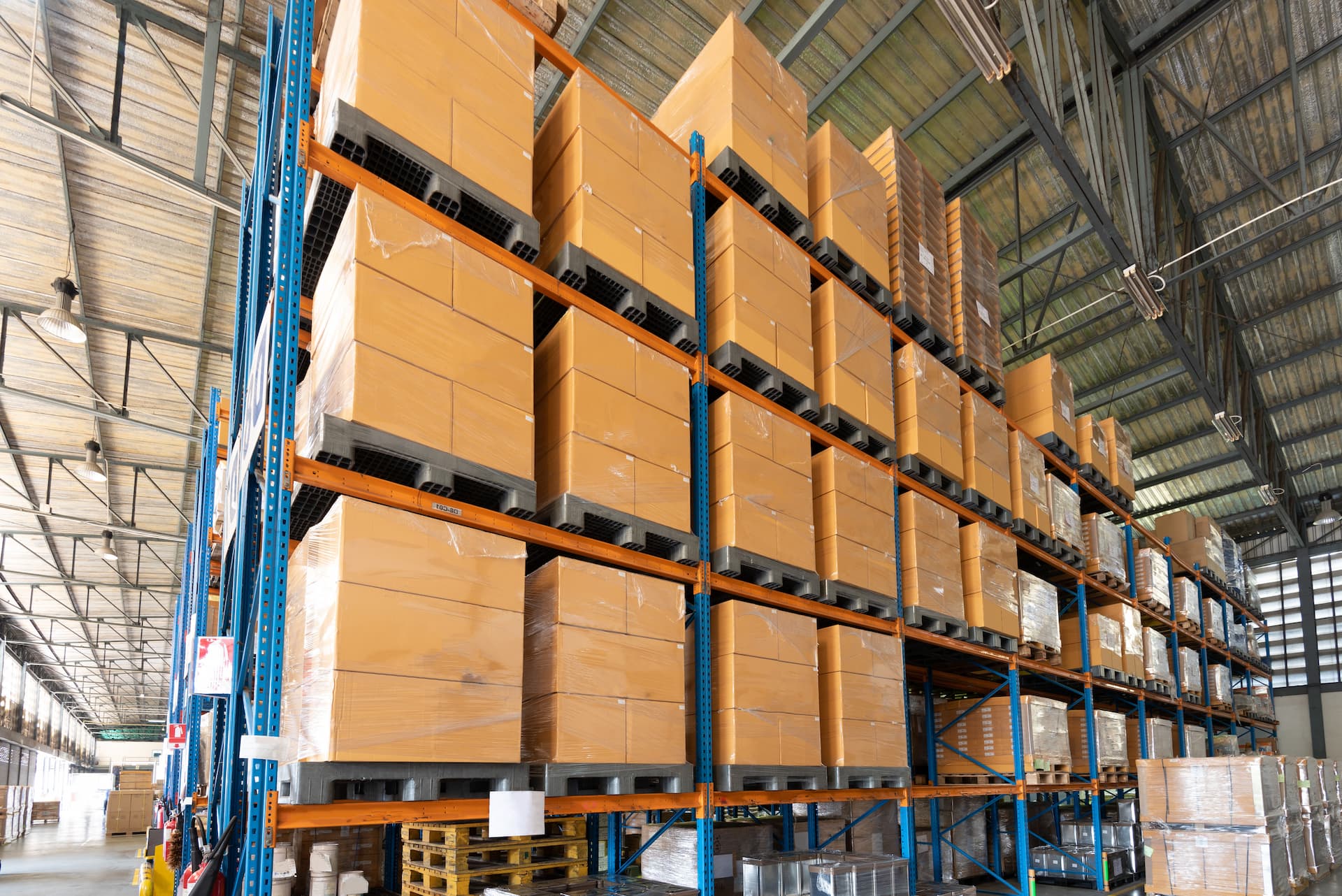
Toxic and corrosive substances
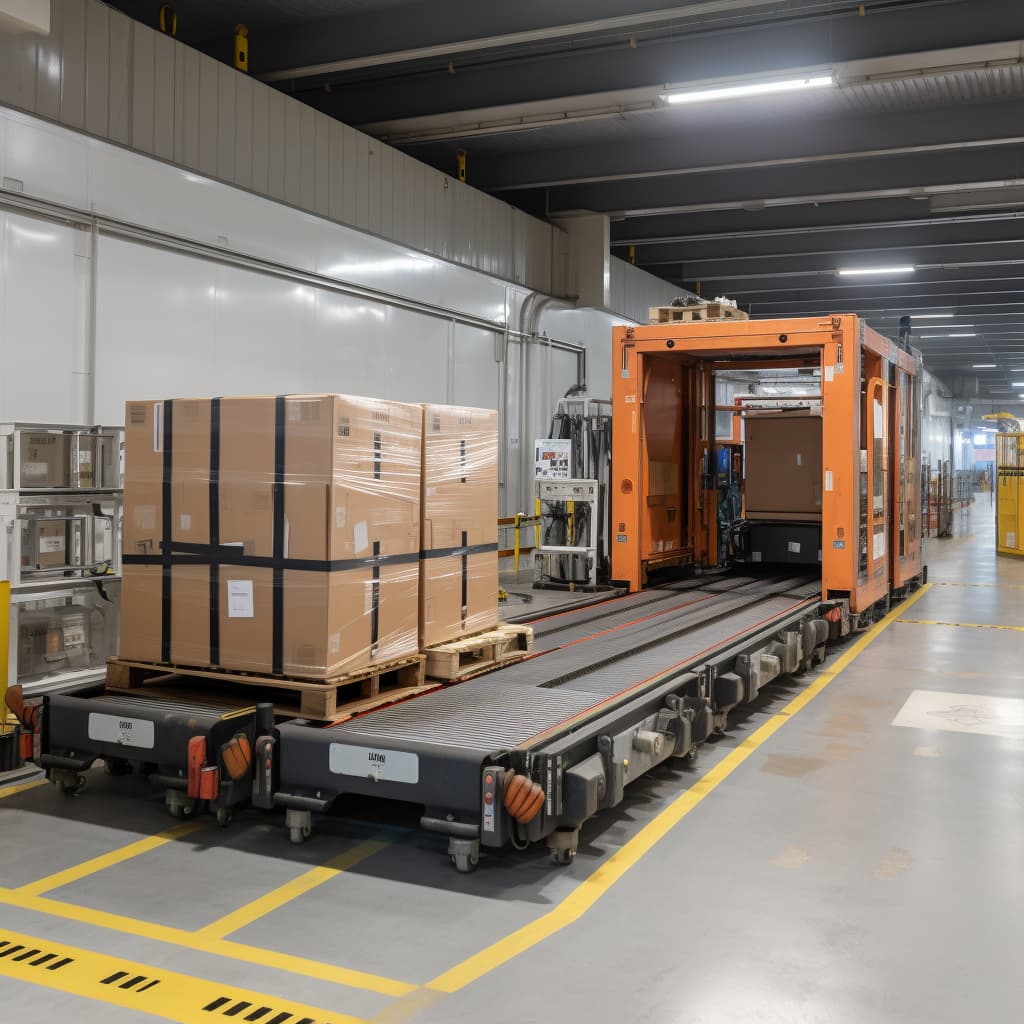
Lithium batteries and Class 9
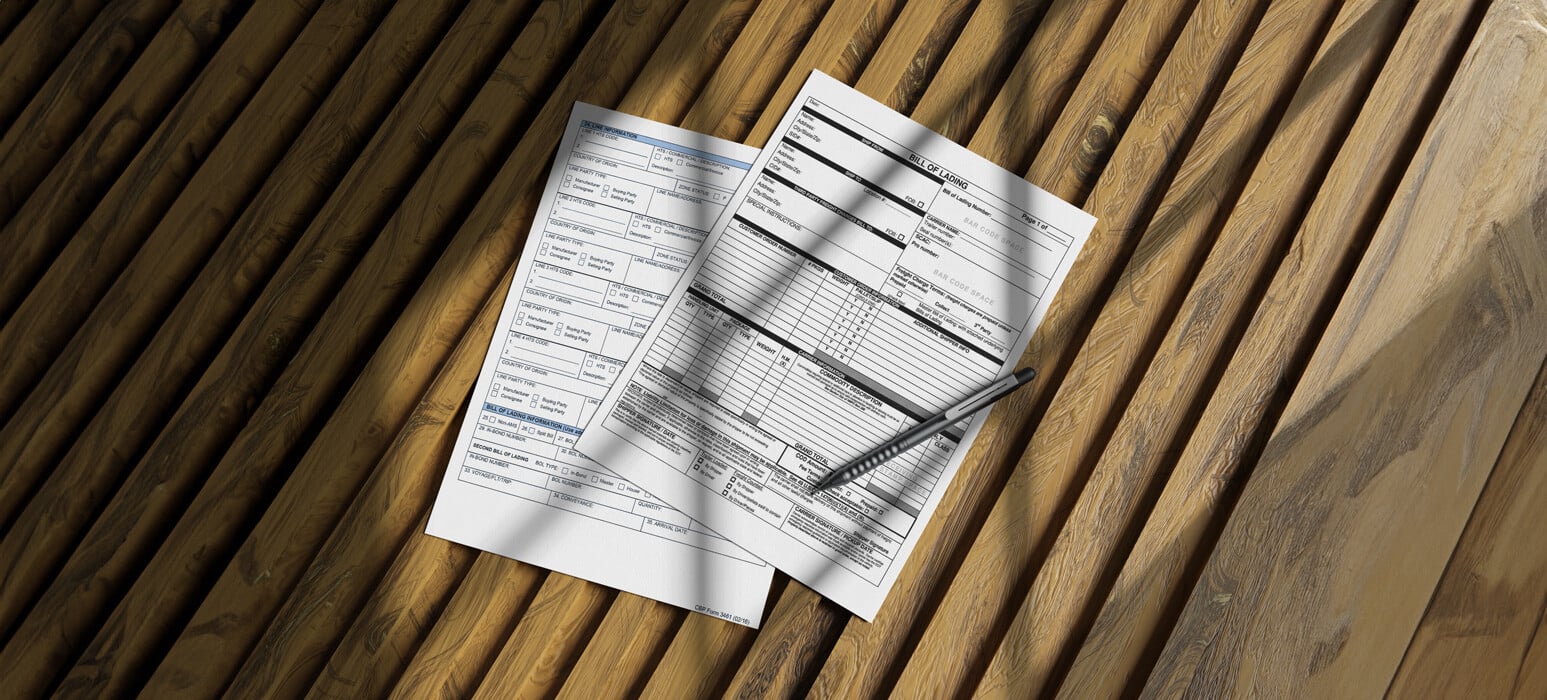
Explosives with permits
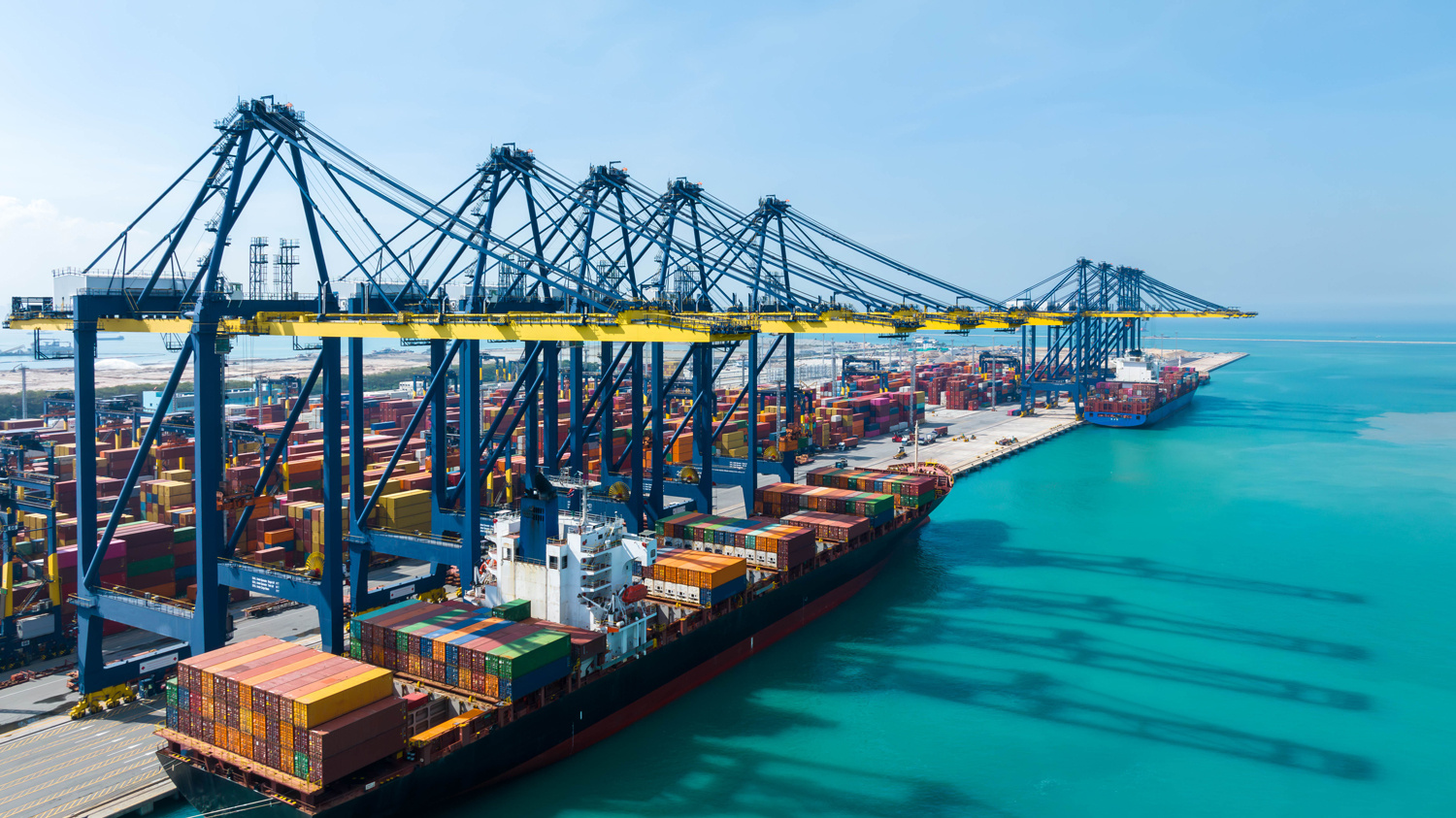
Temperature-controlled hazmat
Shipping hazmat by air or by sea?

Not sure how to handle your hazmat cargo?
Which documentation do you need?
Choose IATA DGR documentation if…
Choose IMDG documentation if…
How your hazmat storage program works
Tell us the materials
Receive and inspect
Store by compatibility
Report and document
Ship or deliver

What goes into a hazmat storage price in Peru
Segregated storage space
Receiving and inspection
SDS and compliance reporting
Temperature-controlled zones
IATA and IMDG documentation
Last-mile hazmat delivery
Hazmat storage backed by a forwarder operating since 1992
Interworld Freight has moved cargo since 1992 with 350+ people and its own offices in the USA, Panama, the Dominican Republic and the Bahamas. It is a founding member of the World Cargo Alliance, IATA accredited, CTPAT certified and WCAworld Best Partner 2022. In Peru, our certified hazmat storage offers purpose-built safety infrastructure, regulatory compliance expertise and a complete hazmat logistics solution, from OSINERGMIN reporting to IATA DGR and IMDG Code documentation.
World Cargo Alliance
Founding member of the allianceWCAworld Best Partner 2022
North America award
IATA accredited
Cargo agent accredited by the International Air Transport Association
CTPAT certified
U.S. CBP supply chain security programReady to store hazardous materials in Peru?
More warehousing in Peru
Warehousing in Peru
All warehousing markets
Also in Miami: hazardous materials
Other programs in Peru
What companies say about working with us
Hazmat warehouse in Peru, answered
Quote your hazmat storage in Peru
