
How to Ship Heavy Equipment?
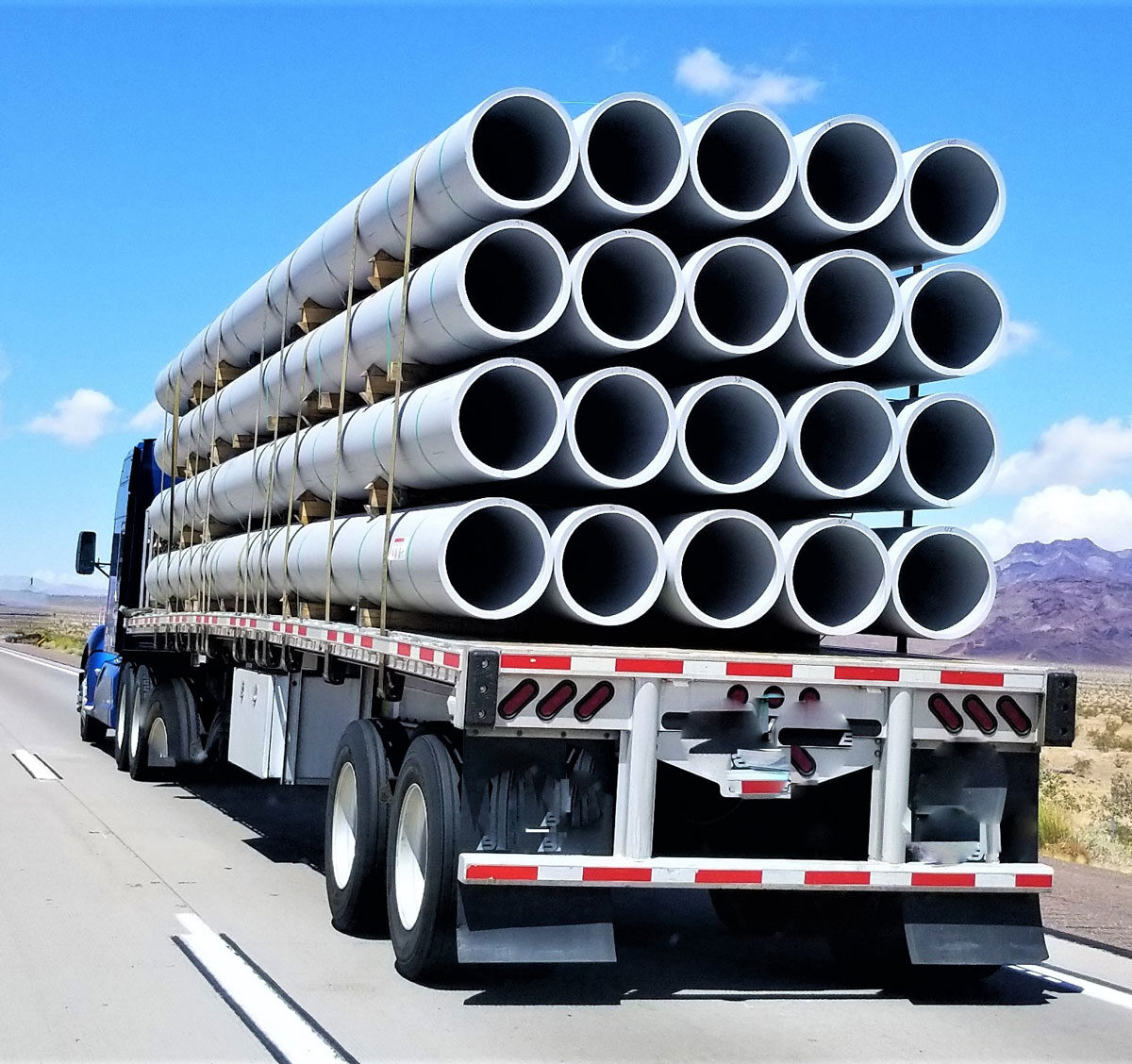
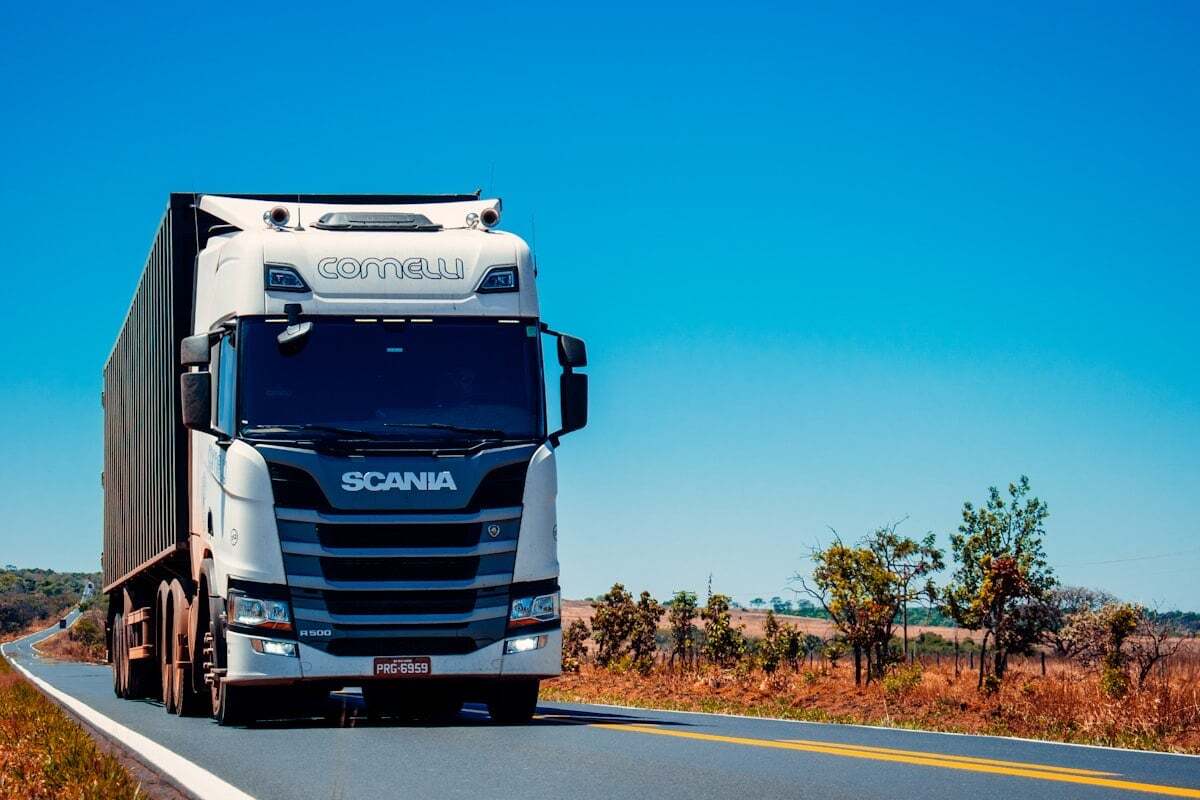
Shipping heavy equipment requires specialized services and careful planning to ensure safe transport. Heavy equipment transport typically involves the use of flatbed trailers, freight trailers, and shipping containers designed to handle oversized or bulky machinery. The process involves selecting the appropriate trailer, securing the load, and ensuring compliance with safety regulations. Heavy equipment hauling services manage the logistics, from loading to delivery, for safe and timely transport.
What is Considered Heavy Equipment?
Heavy equipment refers to large machinery or vehicles used in construction, agriculture, mining, and industrial sectors. This includes items such as bulldozers, cranes, excavators, and other heavy machinery that are too large or heavy to be transported in standard shipping methods. Heavy equipment shipping requires specialized transport due to the size and weight of these machines.
Types of Shipping Equipment
Common Machinery and Equipment Freight Shipped
- Construction Equipment: Bulldozers, excavators, backhoes, and cranes.
- Agricultural Equipment: Tractors, harvesters, and plows.
- Medical Equipment: MRI machines, hospital beds, and other large medical devices.
- Industrial Machinery: Presses, CNC machines, and production equipment.
Each type of equipment requires a specific shipping method to ensure safety during transit. For example, medical equipment shipping often needs extra care and protection due to the sensitive nature of the cargo.
Choosing the Right Equipment
Factors to Consider
- Size and Weight: The dimensions of your equipment will determine the type of trailer needed. Flatbed trailers are commonly used for large and heavy items, while shipping container trailers are suitable for smaller machinery.
- Distance: Shipping equipment across the country requires a robust transport plan, including choosing the right transport service and understanding costs, such as heavy equipment transport cost.
- Type of Equipment: Whether you're shipping industrial machinery or agricultural equipment, choosing the right equipment hauling services ensures safe and efficient delivery.
Specialized Equipment
- Flatbed Shipping: Ideal for transporting oversized loads like construction vehicles or heavy industrial machines.
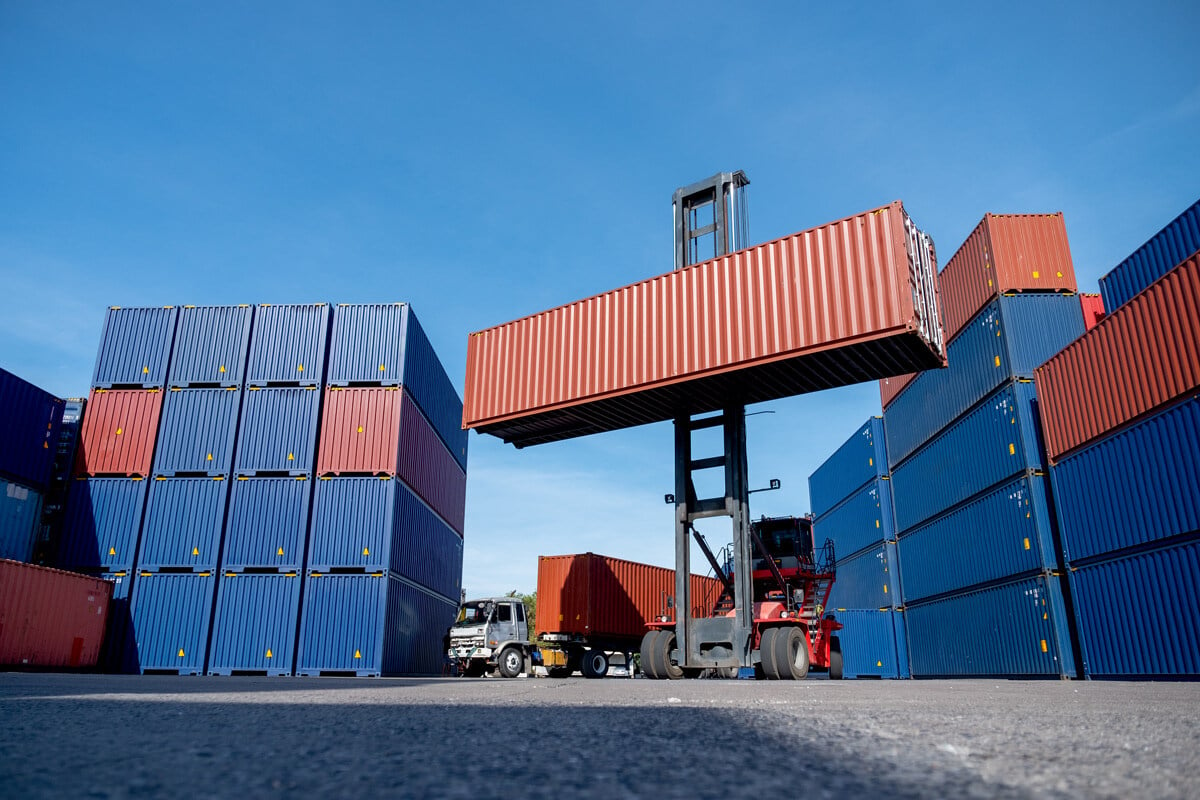
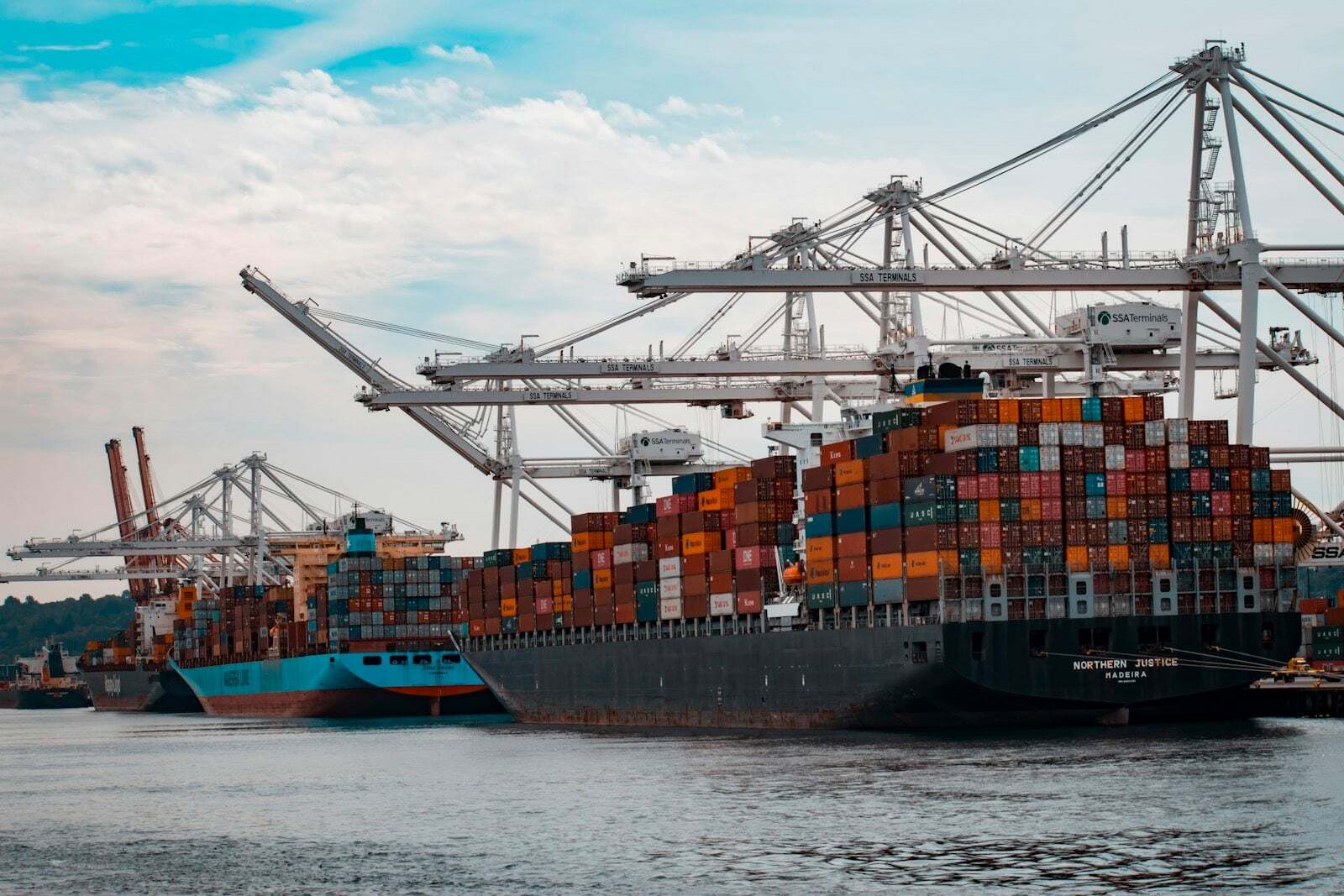
- Shipping Container Trailers: Used for smaller or sensitive machinery that requires protection during transit.
- Freight Trailers: Common for moving general equipment, offering secure transport over long distances.
Best Practices for Shipping Equipment Usage
Preparation and Loading
Before shipping, the equipment should be properly prepared, including cleaning and securing any loose parts. Accurate measurements of the equipment’s weight and size are crucial for selecting the correct freight class of machinery and ensuring compliance with safety regulations.
Maintenance and Safety Checks
Perform routine maintenance and safety checks on the equipment before shipping. This includes securing parts and ensuring the equipment is in good working condition to avoid any issues during transport. Regular checks also help ensure compliance with transportation laws and prevent potential delays.
Interworld Freight cargo services

Ready to price your shipment?
