
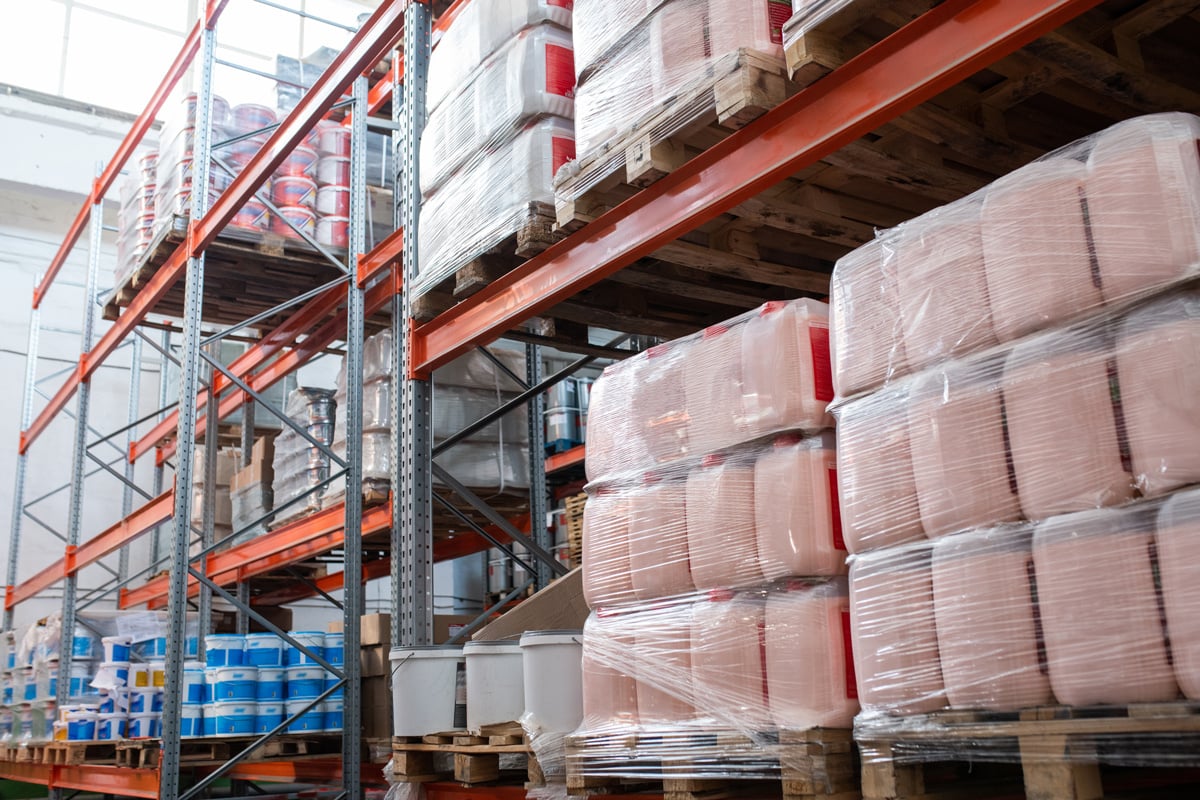
Standard pallet shipping sizes play a critical role in ensuring that goods are securely and efficiently transported. The most common shipping pallet size in the U.S. is 48" x 40" (1,219 mm x 1,016 mm), which is the industry standard for general cargo. However, there are other pallet sizes used internationally, depending on the region and the specific requirements of the shipping destination.
Palletizing a Shipment: How to Prepare and Ship a Pallet
To palletize a shipment, you need to stack your goods securely on the pallet, ensuring they are evenly distributed to avoid tipping or damage during transport. Use stretch wrap or straps to secure the items to the pallet. It’s also important to consider the standard pallet height for shipping, which typically ranges between 5 inches (127 mm) and 6 inches (152 mm) in height, but the total height, including the goods, should not exceed 60 inches (1,524 mm) to maintain stability during transport.
Proper palletizing is essential for pallet shipping, ensuring that your cargo arrives safely and efficiently. Whether you’re dealing with domestic or international shipping pallet dimensions, knowing how to prepare the pallet can prevent delays and potential damage.
Why Are Standard Pallet Sizes Important?
Using standard pallet sizes ensures that shipments fit securely within trucks, shipping containers, and storage facilities. It allows for easier handling, loading, and unloading with standard forklifts or pallet jacks. Standardized pallet dimensions for shipping also maximize the use of space in transportation, lowering costs by fitting more products into each shipment.
When working with international shipping pallet dimensions, sticking to standard sizes helps avoid logistical issues and ensures smoother transportation across borders, particularly in regions where specific pallet standards are required.
International Shipping Pallet Dimensions
The shipping pallet dimensions vary depending on the region:
- U.S. Standard Pallet Size: 48" x 40" (1,219 mm x 1,016 mm) – Most commonly used in North America.
- Euro Pallet Dimensions: 47.24" x 31.50" (1,200 mm x 800 mm) – The standard size used throughout Europe.
- Australian Standard Pallet Size: 45.9" x 45.9" (1,165 mm x 1,165 mm) – Commonly used in Australia.
- ISO Standard Pallet Sizes: Various sizes are used globally, including 48" x 48", 40" x 48", and 48" x 40".
Knowing the dimensions of standard shipping pallets allows businesses to optimize their shipments based on regional standards and shipping requirements.
Shipping Pallet Weights
The weight of a shipping pallet varies depending on the material used:
- Wooden pallets: Typically weigh between 30-70 lbs (14-32 kg).
- Plastic pallets: Lighter than wood, weighing between 10-50 lbs (4.5-22.5 kg).
- Metal pallets: Heavier than wood and plastic, weighing between 50-150 lbs (23-68 kg).
The average size of a shipping pallet and its weight should be factored into total freight costs, as heavier pallets contribute to overall shipping weight.
Types of Pallets Used in Transportation
Wooden Pallets
Wooden pallets are the most widely used in logistics due to their durability and cost-effectiveness. They are versatile and can be used across different industries. However, they may require treatment for international shipping to prevent the spread of pests.
Block Pallets
Block pallets have blocks between the top and bottom deck boards, allowing them to be accessed by forklifts from all four sides. They are often considered stronger and more stable than stringer pallets.
Solid Deck Pallets
Solid deck pallets feature a solid top surface rather than individual boards. This design provides better support for smaller or unevenly shaped items, reducing the risk of products falling through gaps.
Euro Pallets
Euro pallets are standardized across Europe and comply with strict quality and size regulations. They are smaller than U.S. pallets and are essential for seamless trade across European countries.
Plastic Pallets
Plastic pallets are durable, reusable, and resistant to chemicals, making them suitable for industries like food and pharmaceuticals. They are lightweight and don’t require the same treatment as wooden pallets for international shipping.
Stringer Pallets
Stringer pallets use 2x4 wood or plastic “stringers” to support the load. Forklifts can access them from two sides, though some models have notches that allow four-way entry.
Cardboard Pallets
Cardboard pallets are lightweight, recyclable, and eco-friendly. They are used for light or single-use shipments but are not as durable as wood or plastic pallets.
Nestable Pallets
Nestable pallets are designed to stack efficiently when not in use, saving space in warehouses and during return shipments. They are often made of plastic and are used for light to medium loads.
Metal Pallets
Metal pallets are strong and durable, often used for transporting heavy machinery or goods that require extra security. They are resistant to extreme conditions and ideal for heavy equipment transport.
Double Face Pallets
Double face pallets have deck boards on both the top and bottom, providing additional strength and support. They are often used for transporting heavy or bulky items.
Stackable Pallets
Stackable pallets are designed to allow multiple pallets to be stacked on top of each other without damaging the goods below. They are ideal for maximizing space during storage and transport.

Interworld Freight cargo services


Ready to price your shipment?
