
What is Intermodal Transportation?
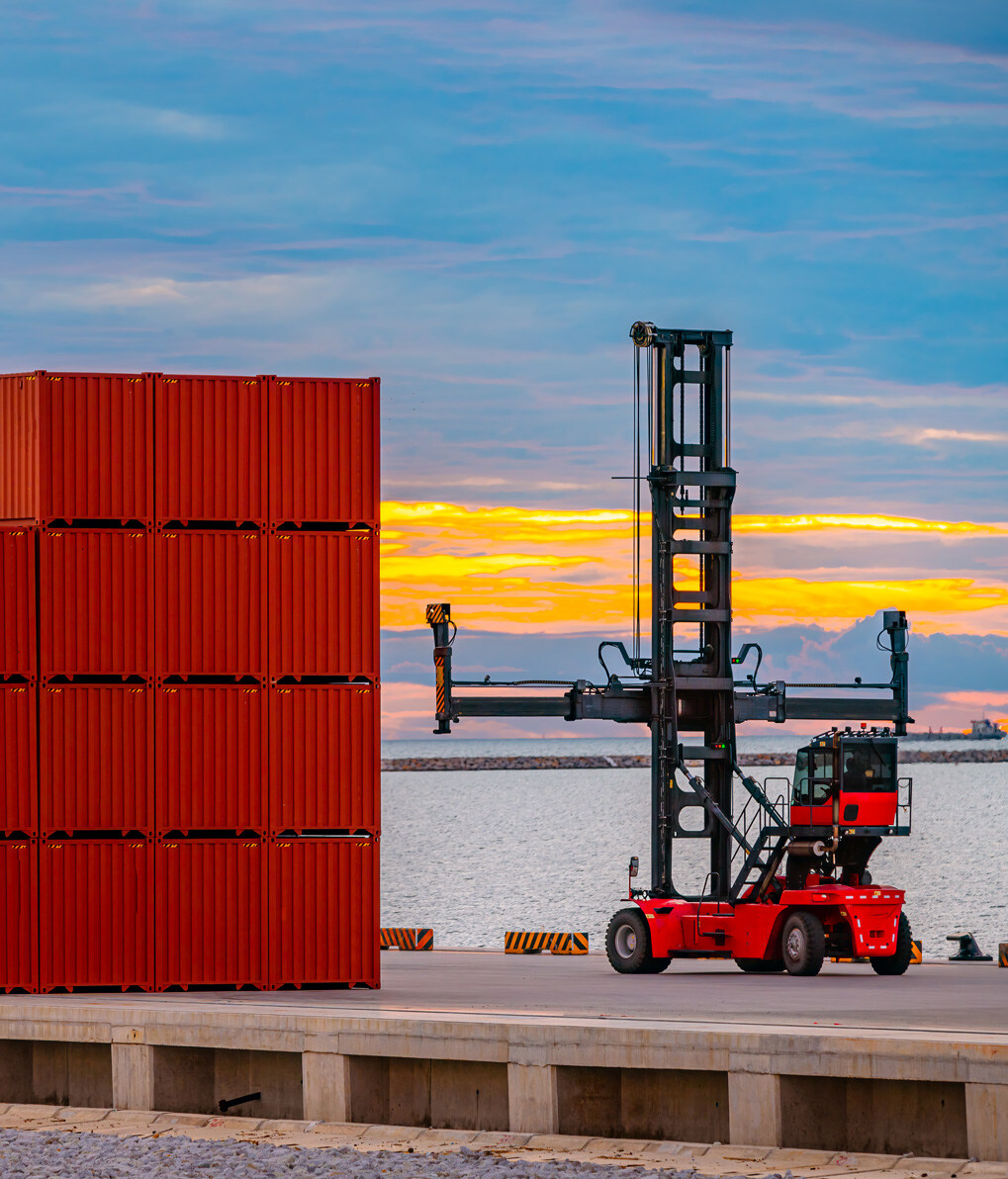
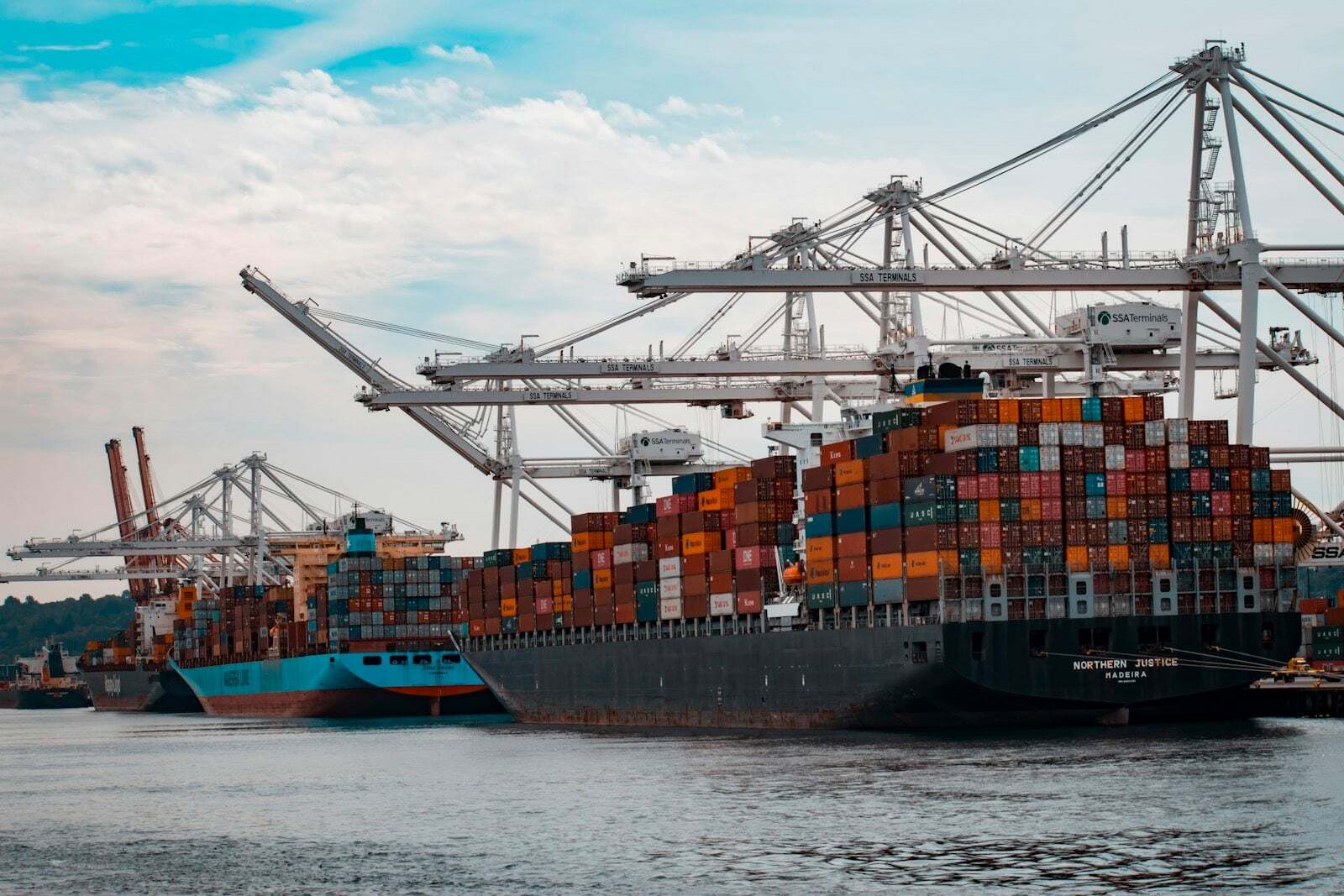
Intermodal transportation refers to the movement of goods using multiple modes of transport—such as rail, road, and sea—without handling the freight itself when changing transportation modes. The goods are typically transported in standardized intermodal freight containers, which allows for seamless transfers between trucks, trains, and ships. Intermodal freight shipping is an efficient way to move goods over long distances while minimizing handling and reducing the risk of damage.
Intermodal Freight Transport Benefits
- Cost Efficiency: Intermodal freight transport leverages the cost advantages of rail for long hauls and trucking for short distances, reducing overall transportation costs.
- Environmentally Friendly: By shifting a significant portion of the journey to rail, intermodal rail shipping reduces fuel consumption and carbon emissions compared to solely relying on trucks.
- Reduced Handling: Goods remain in the same intermodal container throughout their journey, reducing handling time and the risk of damage.
- Scalability: Intermodal transportation services are ideal for moving large volumes of freight, making it an excellent option for businesses with substantial shipping needs.
The Role of Intermodal Containers
Intermodal containers play a crucial role in enabling smooth transitions between different modes of transport, making the entire shipping process more efficient.
What are Intermodal Freight Containers?
Intermodal freight containers are standardized, reusable containers used to transport goods across multiple modes of transportation—such as rail, truck, and ship—without the need to unload and reload the cargo. These containers, such as the common 20-foot intermodal container, are designed to fit onto various types of transportation, including flatbed trucks, trains, and container ships.
Intermodal Shipping Containers: How They Work
- Seamless Transport: Goods are loaded into intermodal containers and remain securely packed throughout their journey, regardless of the mode of transport.
- Standardization: Intermodal container shipping uses standardized container sizes (20-foot, 40-foot) to ensure compatibility across transportation methods and routes.
- Durability: These containers are built to withstand harsh conditions during long trips, making them ideal for international shipping and long-haul freight.
Intermodal Transportation Services
Intermodal transportation services are offered by specialized intermodal transportation companies that coordinate the movement of goods using a combination of trucking, rail, and shipping services. They handle the logistics of transporting the intermodal container through various modes, ensuring the efficient delivery of goods to their final destination. Intermodal container trucking companies manage the road transport portion, while rail intermodal transportation services cover the rail transport leg of the journey.
Cost and Pricing in Intermodal Shipping
Shipping costs vary based on factors such as distance, container size, and the combination of transportation modes used. Understanding the factors that influence intermodal shipping costs can help businesses optimize their logistics.
Understanding Intermodal Shipping Costs
The cost of intermodal shipping depends on:
- Distance: The longer the distance, the higher the cost, particularly for trucking portions.
- Container Size: 20-foot intermodal containers are typically cheaper to ship than larger containers like 40-foot containers.
- Mode of Transport: Rail is generally cheaper than truck, but costs may increase for trucking portions or port-handling fees.
- Fuel Prices: Fuel costs for trucking and shipping can fluctuate, impacting the overall price.
- Seasonality: Peak shipping times can lead to higher intermodal shipping rates due to increased demand for containers and transportation.
Intermodal Shipping Rates and Quotes
Getting an accurate intermodal freight quote involves providing details such as the size and weight of the freight, the origin and destination points, and the required delivery timeline. Intermodal shipping rates can vary depending on these factors, so it's important to compare intermodal quotes from multiple providers to find the best deal.
Technology and Innovation in Intermodal Shipping
Advancements in technology have improved intermodal transport logistics by enabling real-time tracking, optimized route planning, and better integration across different transportation modes. Smart tracking systems allow shippers to monitor the location of their intermodal containers at every stage of the journey, enhancing efficiency and reducing the risk of delays.
Frequently Asked Questions (FAQs)
How Do Intermodal Shipping Containers Differ from Other Types of Containers?
Intermodal shipping containers are standardized for use across multiple modes of transport, such as trucks, trains, and ships. Unlike other types of containers, intermodal containers are built to specific dimensions, usually 20 or 40 feet, allowing them to be easily transferred between different transport modes without unpacking the cargo. Standard ISO containers are 8 ft wide and 8 ft 6 in high (9 ft 6 in for high cube), with corner castings that lock onto chassis, rail cars and ship cell guides.
What Are the Typical Intermodal Container Costs for Different Shipping Routes?
Intermodal container costs vary based on factors such as the shipping distance, size of the container, and the route taken. For shorter distances, trucking is more expensive, while rail provides a more cost-effective solution for long hauls. For example, shipping a 20-foot intermodal container via rail will generally be cheaper than using a truck over long distances. Costs will also depend on fuel prices and demand for shipping services. Drayage is the short truck leg between the port or rail ramp and the consignee, usually priced per move plus chassis, fuel and detention charges, while the rail or ocean leg is priced per container.

Interworld Freight cargo services


Ready to price your shipment?
