
On this page12
Venezuela clears imports through SENIAT, the national customs and tax administration, with declarations processed in the SIDUNEA system. Duties are assessed on the CIF value and run from about 5% to 35% by product, 16% VAT applies on top, and any shipment from the United States must be screened against US sanctions before it leaves Miami.
Compliance comes before customs here. The customs mechanics themselves are conventional: classification, valuation, declaration through an agent, payment and release. What sets Venezuela apart is the sanctions screening that precedes all of it and the narrow set of official sources an importer can rely on. Interworld Freight moves full containers from Miami under its container shipping to Venezuela service for B2B commercial cargo, subject to the compliance check described below.
US Sanctions Compliance Before You Ship to Venezuela
US sanctions rules and general licenses must be checked before any shipment to Venezuela. The Office of Foreign Assets Control (OFAC) administers the program under the Venezuela Sanctions Regulations, and its Venezuela-related sanctions page lists the executive orders, the general licenses that authorize defined activities without a specific license, and the process to apply for a specific license.
The check has four parts.
- Identify the program rules. The regulations sit in 31 CFR Part 591, and OFAC publishes its Venezuela FAQs as the working guidance.
- Screen the parties. Consignee, notify party, banks, vessel and any intermediary must be checked against OFAC's sanctions lists.
- Match the transaction to a general license, or apply for a specific license. General licenses are issued and amended over time, so read the current text on the day you ship.
- Keep the file. Records of the screening and the license basis belong in the shipment file.
This is a compliance reminder, not legal advice. If any part of the transaction is unclear, take it to your sanctions counsel.
Venezuela Customs at a Glance
The table covers a commercial import. Rates depend on the HS code and are set by Venezuelan decree, so confirm them with a Venezuelan customs agent before quoting landed cost.
| Item | Venezuela |
|---|---|
| Customs authority | SENIAT (Servicio Nacional Integrado de Administración Aduanera y Tributaria) |
| Electronic system | SIDUNEA, with the DUA (Declaración Única de Aduanas) as the declaration |
| Tariff framework | National customs tariff by HS code; duties 5% to 35% |
| Trade agreement with the US | None |
| Valuation basis | CIF value, excluding VAT |
| VAT | 16% general rate; 8% reduced rate; 15% rate on listed luxury goods |
| Other import levies | Customs handling charge; excise on alcohol and tobacco; IGTF on certain foreign-currency payments |
| Importer ID | RIF (tax registry number) |
| Broker requirement | Authorized customs agents and agencies (agentes y agencias de aduanas) file declarations |
| US sanctions check | Required before shipping (OFAC) |
How Does Customs Clearance Work in Venezuela?
The agent does most of the work in Venezuelan clearance. SENIAT processes the declaration in SIDUNEA, and the DUA is the document that carries value, classification and origin.
- Screen the transaction for sanctions. Complete the OFAC check described above before booking.
- Classify the goods. Assign the HS code. The code sets the duty band and any permit requirement.
- Confirm approvals. Regulated products need approval from the competent ministry before shipment. Ask the Venezuelan agent which approvals apply to the HS code.
- Appoint a customs agent. The agent receives the invoice, the transport document and the supporting papers.
- Transmit the DUA in SIDUNEA. The agent declares value, classification and origin, and the system assigns an inspection channel.
- Pay duty and taxes. Payment settles the duty, VAT and any other levies on the declaration.
- Inspection and release. Documentary or physical review follows the channel assigned, then the cargo is released.
SENIAT updates procedures by administrative act, so the agent's current knowledge counts for more here than in a market with a stable published manual. Our glossary entry on customs clearance explains the generic sequence that these steps follow.
Documents Required for Venezuela Customs
The document set follows standard international practice; the agent confirms the final list for your product.
- Commercial invoice with a full product description, unit prices, quantities and Incoterm. See our note on commercial invoice requirements.
- Bill of lading for ocean cargo or air waybill for air cargo.
- Packing list matching the invoice.
- DUA filed by the customs agent in SIDUNEA.
- Importer's RIF and the agent's mandate.
- Permits or approvals for regulated goods, obtained before shipment.
- OFAC screening record and, where relevant, the general license reference in the exporter's own file.
Venezuela Import Duty Rates by Product Category
Customs duties are generally levied on the CIF value of the imported product, excluding VAT, according to PwC's summary of the Venezuelan tax regime. Duties range from 5% to 35%, and the exact rate sits in the national tariff for the HS code.
| Product category | Duty band | Other taxes at import |
|---|---|---|
| Most goods | 5% to 35%, by HS code | VAT 16% |
| Luxury goods (vehicles of USD 40,000 or more, motorcycles of USD 20,000 or more, jewelry of USD 300 or more) | By HS code | VAT at a 15% rate |
| Beer | By HS code | Excise of 15% of the sale price |
| Natural wine | By HS code | Excise of 35% of the sale price |
| Other alcoholic drinks up to 50 degrees | By HS code | Excise of 50% of the sale price |
| Cigarettes and tobacco | By HS code | Excise of 70% of the retail price |
Venezuela has no trade agreement with the United States, so US-origin goods pay the standard duty with no preference to claim.
How to Calculate Import Duty and Taxes in Venezuela
The order is: CIF value, duty, then VAT on the sum. PwC reports that VAT applies to the importation of goods, and the VAT base on imports takes in the customs value plus duties and other charges caused by the importation.
- CIF value: invoice value plus freight and insurance to the Venezuelan port.
- Duty: CIF x duty rate.
- Other levies: the customs handling charge, excise on alcohol or tobacco, and the separate luxury VAT rate where it applies.
- VAT: (CIF + duty + other levies) x 16%.
Illustrative example (round numbers, not a quote). A shipment of finished goods with CIF USD 10,000 and a 15% duty, other levies ignored for simplicity:
- Duty: 10,000 x 15% = USD 1,500
- VAT base: 10,000 + 1,500 = USD 11,500
- VAT: 11,500 x 16% = USD 1,840
- Total taxes: USD 3,340
Taxes on the payment itself add cost. PwC describes an additional rate of 5% to 25% on goods and services paid in foreign currency or in crypto assets not issued by Venezuela, with the rate set by the Executive. The IGTF law (Gaceta Oficial 6.687 Extraordinario, February 25, 2022) taxes payments in foreign currency or in crypto assets not issued by Venezuela, with a 3% default rate until the Executive sets another. Rates change by decree, so ask the agent and your bank which apply to your payment route.
Importer Registration and Customs Brokers in Venezuela
Importers operate under a RIF, the tax registry number issued by SENIAT. Authorized customs agents and agencies (agentes y agencias de aduanas) file declarations on behalf of importers.
Pick an agent who knows your commodity and current SENIAT practice. A forwarder in Miami coordinates with licensed brokers at destination, and our glossary entry on the customs broker explains the role. Have the agent confirm the consignee's sanctions position in writing before you release the cargo.
Exemptions, Free Zones and Special Regimes in Venezuela
The customs law provides regimes alongside definitive import, among them temporary admission with re-export and customs warehouse regimes. Regime rules, guarantees and time limits are set by Venezuelan regulation and change by administrative act, so confirm the current rule with the agent for each operation. No US-Venezuela free trade agreement exists, so there is no preferential claim for US origin.
Import Permits and Licensing Agencies in Venezuela
Permits depend on the product and are obtained from the competent ministry before shipment. Food, medicines, chemicals, agricultural inputs and similar regulated lines require approval, and the agent identifies the authority from the HS code. Never ship first and permit later: a cargo without the required approval cannot be released, and storage accrues at the port while the paperwork is rebuilt.
Common Customs Delays in Venezuela and How to Avoid Them
- Unscreened parties. A consignee or bank problem under US sanctions rules stops the shipment before it starts. Screen early.
- Undervalued or inconsistent invoices. Value is assessed on CIF, so the invoice, the transport document and the DUA must agree.
- HS misclassification. The code sets the duty band, from 5% to 35%, and the permit requirement.
- Missing approvals. Regulated goods need ministry approval before shipment.
- Payment-route surprises. Foreign-currency taxes and the IGTF change the real cost of the payment.
Clearing Cargo to Venezuela With Interworld Freight
Interworld Freight has operated from Miami since 1992. The Miami hub and warehouse receive and consolidate US cargo for ocean FCL and LCL and for air freight, and we coordinate customs with licensed brokers at destination. Our guide to shipping to Venezuela covers the freight side. We answer quotes within one business day, once the transaction has cleared sanctions screening.
Frequently Asked Questions
What is the import duty in Venezuela?
Duties range from 5% to 35% of the CIF value, depending on the HS code.
What is the VAT on imports in Venezuela?
The general rate is 16%, with an 8% reduced rate for listed items. Listed luxury goods carry a 15% rate. The VAT base includes duties and other import charges.
Who is the customs authority in Venezuela?
SENIAT, the Servicio Nacional Integrado de Administración Aduanera y Tributaria. It processes declarations through the SIDUNEA system.
Do I need to check US sanctions before shipping to Venezuela?
Yes. OFAC administers the Venezuela sanctions program, and exporters must check the regulations, the current general licenses and the sanctions lists before shipping. Apply for a specific license when no general license covers the transaction.
Does Venezuela have a trade agreement with the United States?
No. US-origin goods pay the standard duty, with no preferential rate to claim.
Do I need a customs agent in Venezuela?
Authorized customs agents and agencies file declarations on behalf of importers. Use one with current knowledge of SENIAT procedure for your product.
What is the DUA?
The DUA is the Declaración Única de Aduanas, the single customs declaration filed in SIDUNEA.
Are there extra taxes on payments for imports?
PwC reports an additional rate of 5% to 25% on goods and services paid in foreign currency, set by the Executive, and the IGTF law sets a 3% default rate on payments in foreign currency until the Executive sets another. Check the current rates with the agent and the bank.
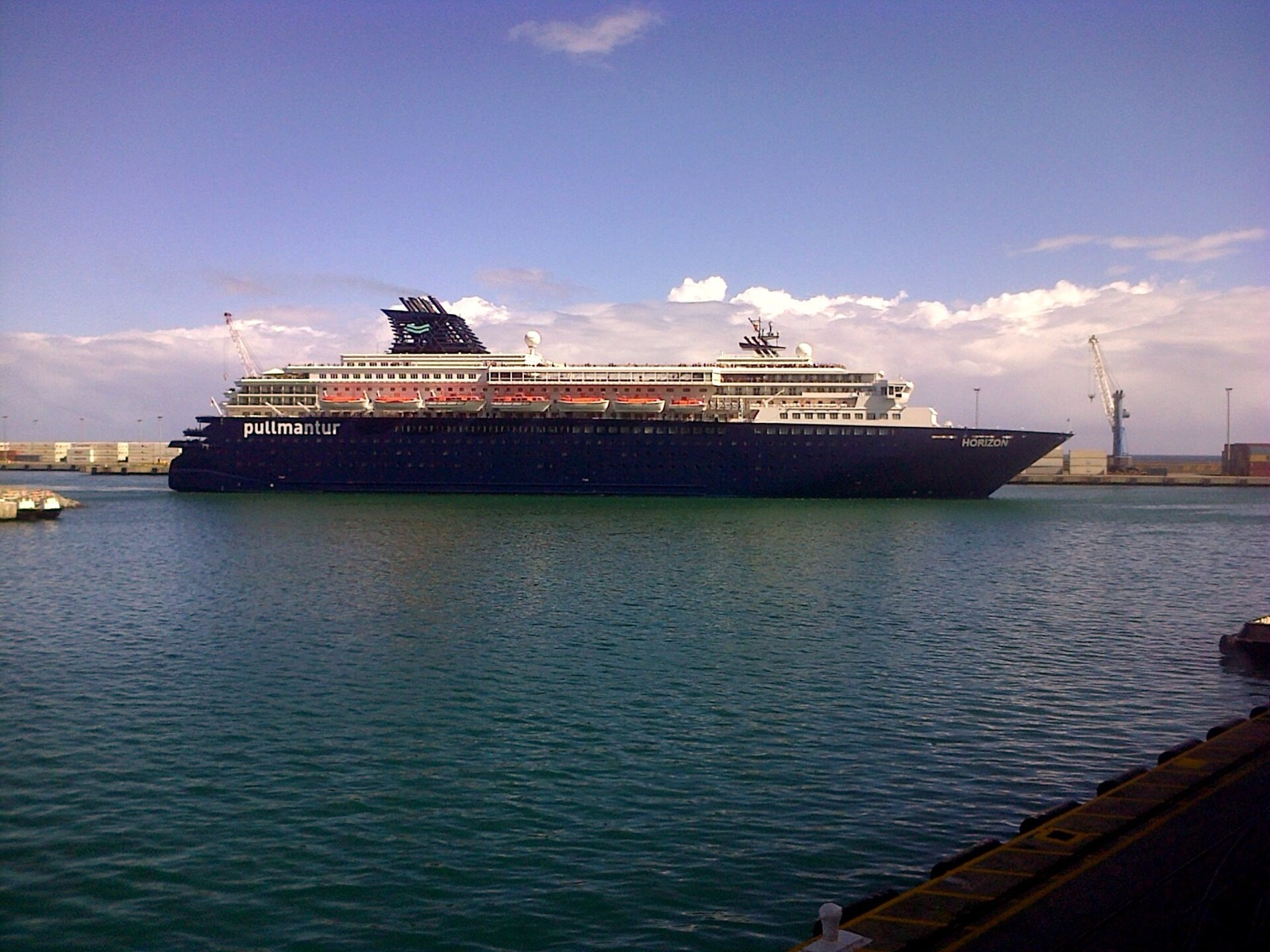
Photo: Port of La Guaira, Venezuela. Annia Pedreira, CC BY-SA 3.0, via Wikimedia Commons.
Ready to ship your freight?
