
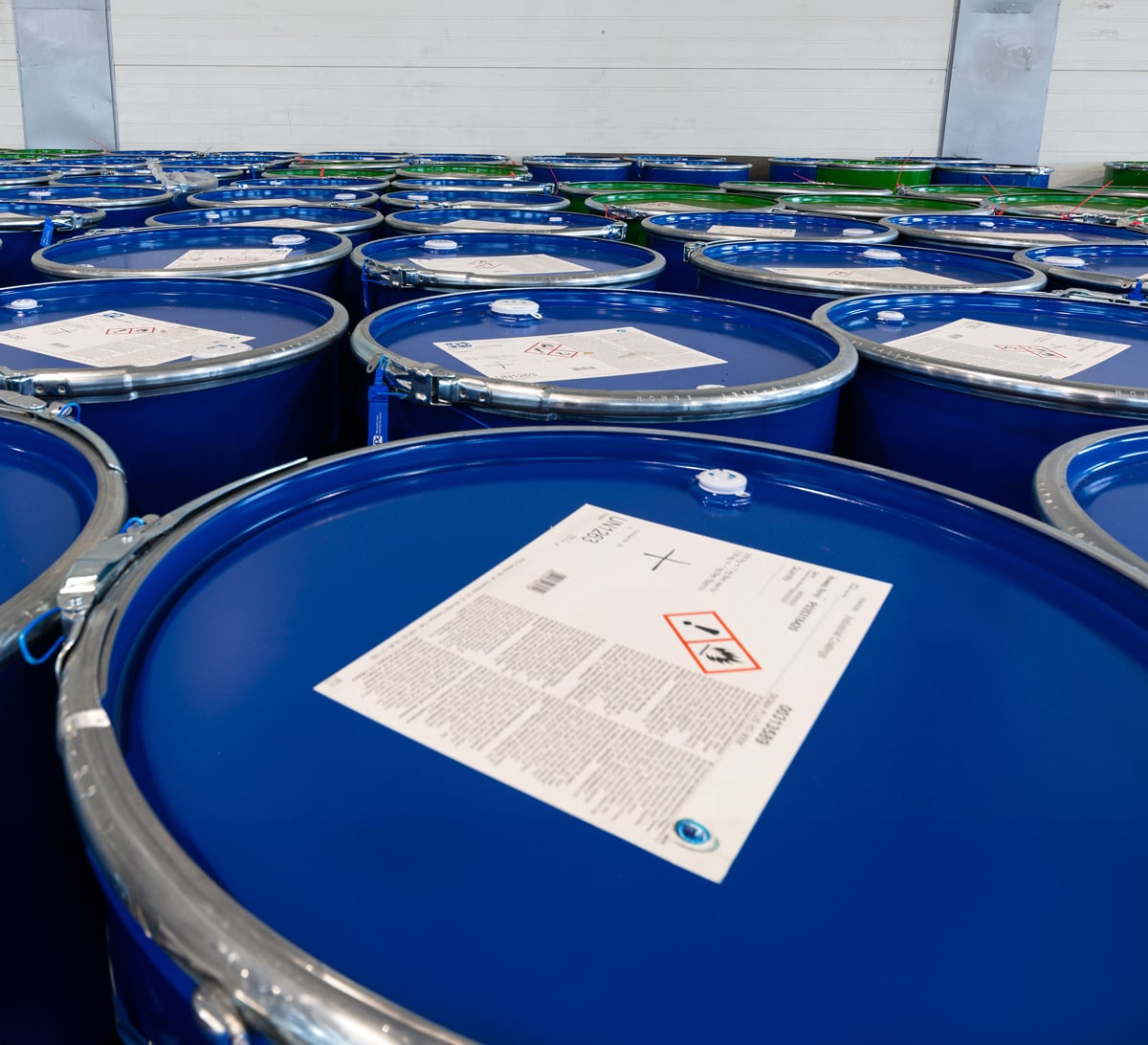
What are hazmat (or hazardous) materials?
Hazmat materials, short for hazardous materials, encompass substances that pose risks to health, safety, or property during transport. These risks require strict regulation and mandate specific procedures for handling, storage, and transportation. Hazmat materials range widely and include flammable liquids, toxic chemicals, biohazards, radioactive materials, and corrosive substances.
Understanding Hazmat Classes
Hazmat materials are categorized into various classes to help manage their safe transportation and establish safety protocols:
- Class 1: Explosives
- Class 2: Gases
- Class 3: Flammable Liquids
- Class 4: Flammable Solids
- Class 5: Oxidizing Substances and Organic Peroxides
- Class 6: Toxic and Infectious Substances
- Class 7: Radioactive Material
- Class 8: Corrosives
- Class 9: Miscellaneous Hazardous Materials
These classifications are crucial as each requires specific hazmat labels that facilitate quick identification and proper handling during emergencies or routine checks.
Hazmat Certification and Training
Dealing with hazardous materials goes beyond recognizing hazmat labels; it requires thorough hazmat certification. This certification is crucial for anyone involved in handling, packaging, and shipping hazardous materials, ensuring they are trained to adhere to legal and safety regulations. The training encompasses correct labeling, emergency response, and containment practices.
Shipping Hazardous Materials
The process of shipping hazardous materials must comply with stringent regulations to ensure safety. It involves using specialized hazmat containers that securely hold and isolate the hazardous items. Additionally, every shipment must bear the appropriate hazmat shipping labels, which alert handling personnel about the potential dangers within.
Accurate and durable hazmat labels for shipping are essential; they provide critical information, ensuring all handling follows safety protocols and helps prevent accidents.
Common Hazardous Materials
Commonly transported hazardous materials include fuels, industrial chemicals, paints, farm supplies, and medical waste. Each type of material requires specific approaches to packaging, labeling, and transportation to ensure they are safely moved without harming the environment or public health.
Understanding the intricacies of hazmat materials is crucial for anyone involved in their transport or management. With proper training, certification, and adherence to safety protocols, the risks associated with transporting these materials can be greatly minimized. The key lies in meticulous planning and ongoing education to ensure all safety measures are up to date and effective. This ensures that industries can continue to function efficiently while keeping safety at the forefront of operations.

Interworld Freight cargo services



Ready to price your shipment?
