
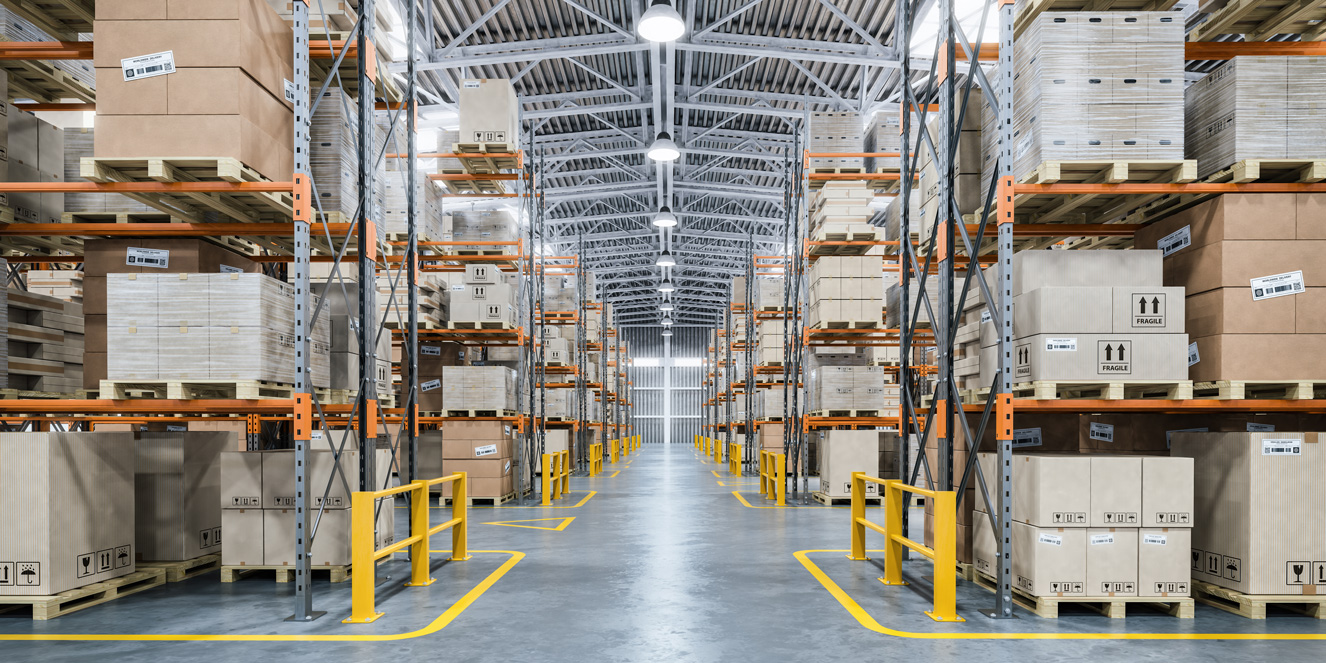
What is a Handling Unit?
A handling unit refers to a single, packaged entity that can be handled, moved, or stored as a single item during warehousing, shipping, and logistics operations. This could be a pallet, crate, or box containing multiple items that are securely packed together. The handling unit packaging structure is designed to make it easier to manage, transport, and track the goods, simplifying the shipping and storage process.
Importance of Handling Units in Shipping
In shipping, handling units play a crucial role in ensuring that goods are properly secured, labeled, and prepared for transport. They help standardize the way goods are handled, making them easier to manage and track across different modes of transportation, whether by truck, rail, air, or sea. Properly defined handling units reduce the risk of damage, loss, or delays during transport.
Role in Logistics and Transportation
Handling units streamline logistics and transportation processes by consolidating smaller items into manageable units, which can then be moved, stacked, and transported as a single entity. This efficiency is critical in optimizing both handling unit in warehousing and shipping operations. In logistics, handling units simplify inventory tracking and help optimize space on trucks, in containers, and in warehouses.
Compliance and Safety Considerations
Handling units must comply with various safety standards to ensure that goods are securely packaged and labeled correctly. Mislabeling or improperly securing a handling unit can lead to damaged goods, safety hazards, and regulatory penalties. Proper labeling ensures that the handling unit can be easily identified and processed throughout the shipping cycle.
Types of Handling Units
- Pallets: One of the most common handling units, used across various industries for stacking goods securely.
- Crates: Often used for heavy-duty or fragile items that require additional protection.
- Boxes/Cartons: Smaller handling units that may be grouped together on a pallet or transported individually.
- Drums or Barrels: Used for liquids or bulk materials that need to be securely contained.
Examples and Scenarios
- Palletized Goods: A manufacturer ships a pallet of electronics to a retailer. The pallet, as a single handling unit, contains multiple boxes that are secured and labeled.
- Crates for Machinery: Heavy machinery parts are packed in a wooden crate and labeled as one handling unit to ensure safe transport.
Labeling and Identification
Proper labeling is crucial for tracking and managing handling units in shipping. Labels typically include information such as the contents of the unit, destination, weight, and any special handling instructions. Handling unit packaging structure should accommodate clear, visible labeling to avoid confusion during loading, unloading, and transport.
Handling Units in Different Shipping Methods
Handling Units in LTL Shipping
In LTL (Less-than-Truckload) shipping, handling units are particularly important as multiple shipments from different shippers are consolidated into one truck. Organizing and labeling handling units properly ensures that each shipment reaches its correct destination and prevents mishandling.
Handling Units in FTL Shipping
For FTL (Full Truckload) shipping, handling units typically take the form of pallets or large crates. The entire truck is dedicated to one shipment, so the efficiency of handling and loading multiple handling units is crucial to optimizing space and ensuring safe transport.
Frequently Asked Questions (FAQs)
What Happens if a Handling Unit is Mislabeled?
If a handling unit is mislabeled, it may result in shipping delays, incorrect deliveries, or even fines. Mislabeled handling units can confuse carriers, leading to misrouting or damage due to improper handling. Each unit should carry a scannable label, such as a GS1 SSCC (Serial Shipping Container Code) barcode, plus the consignee address, and the label data must match the bill of lading.
How Do Handling Units Impact Shipping Costs?
Shipping costs are often calculated based on the size, weight, and number of handling units. Properly organizing goods into handling units can help optimize space and reduce shipping costs by enabling more efficient use of transport capacity. In LTL, carriers rate by handling-unit count, dimensions, weight and NMFC freight class, so the bill of lading must list each unit's dimensions and weight.
What is the Difference Between a Pallet and a Handling Unit?
A pallet is a specific type of handling unit that serves as a base for stacking and securing goods. A handling unit is a broader term that refers to any entity, including pallets, crates, or boxes, that can be managed as a single item during transport. Standard pallet sizes are 48 x 40 inches in North America and 1,200 x 800 mm (Euro pallet) in Europe; once cartons are shrink-wrapped to a pallet, the pallet is one handling unit.
How Do You Calculate Handling Units?
Handling units are calculated by determining how many individual packages or items are consolidated into a single unit for handling. For example, if a pallet contains 10 boxes, the entire pallet is considered one handling unit. Factors such as size, weight, and packaging structure also play a role in calculating handling units for shipping. On the bill of lading, state the handling-unit count and the piece count separately, for example 2 pallets with 20 cartons, since the carrier bills and tracks the units.

Interworld Freight cargo services



Ready to price your shipment?
