
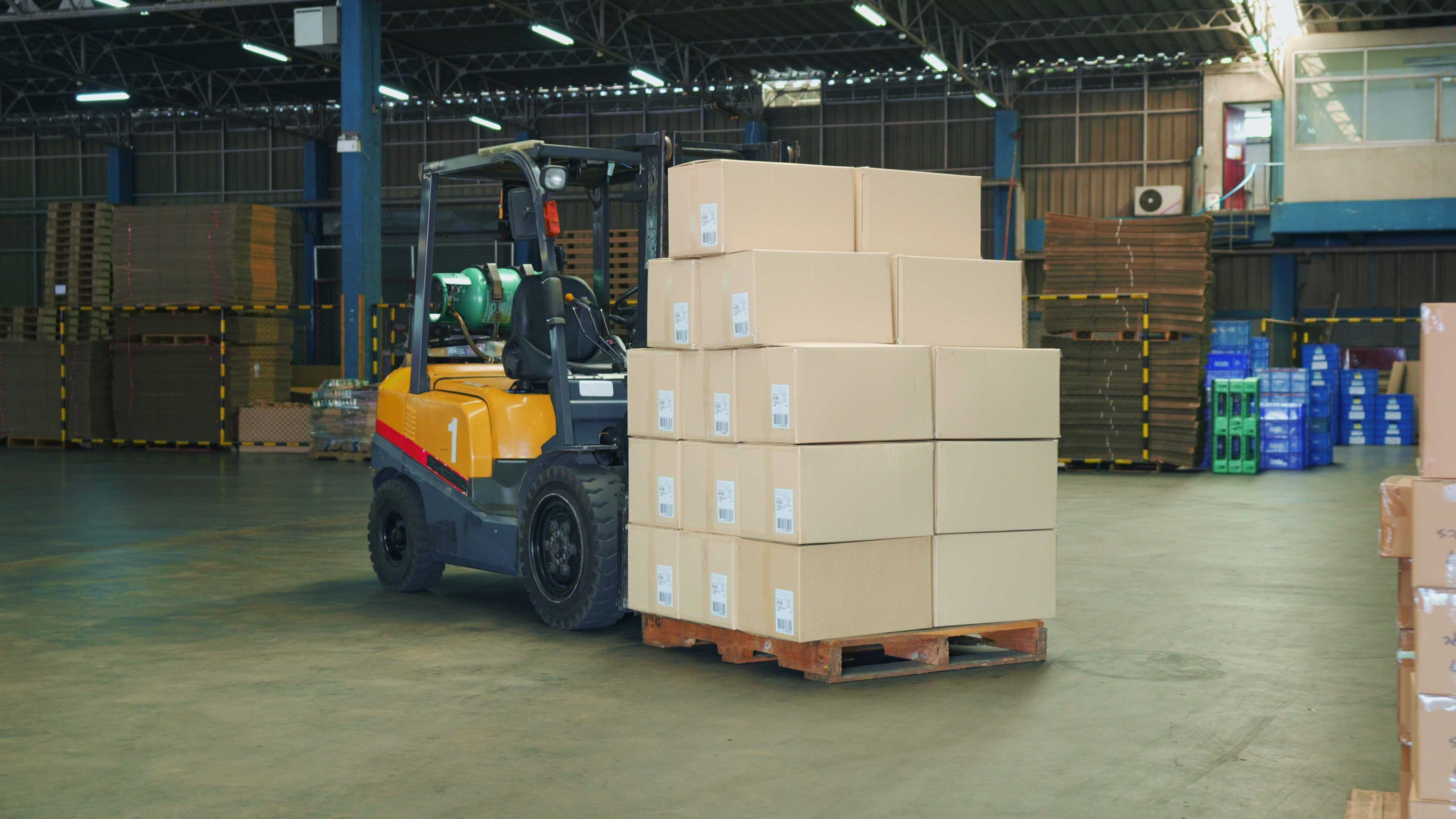
What is a CFS in Shipping?
A Container Freight Station (CFS) is a facility where cargo is consolidated or deconsolidated before being exported or imported. It plays a key role in CFS shipping, allowing cargo from multiple shippers to be grouped into containers for efficient international transport. In import processes, it serves as a station where containers are unloaded, and goods are sorted for delivery to their final destinations. The CFS meaning in shipping refers to its function as a key intermediary in the handling, storage, and movement of goods.
Functions and Importance of a CFS
A CFS freight station provides critical services that streamline the logistics process:
- Consolidation: Grouping smaller shipments from multiple suppliers into one container for export.
- Deconsolidation: Separating cargo once a container arrives at the destination and distributing it to different consignees.
- Customs Clearance: Facilitating the inspection and clearance of goods by customs authorities.
- Storage and Handling: Offering temporary storage and specialized handling for sensitive or oversized cargo.
Role of a CFS in Shipping
In CFS shipping, the station acts as a hub where shipments are efficiently managed, stored, and prepared for international transportation. A CFS freight station is essential for businesses using less-than-container-load (LCL) services, where goods from different shippers are consolidated into one container for cost efficiency. On the other hand, full-container-load (FCL) shipments may also utilize CFS operations for better logistics management and customs processing.
CFS in the Supply Chain
A CFS station plays a crucial role in the global supply chain, particularly for shipments that involve multiple suppliers and destinations. By consolidating or deconsolidating cargo at CFS freight stations, logistics providers can optimize shipping efficiency, reduce costs, and streamline customs processes. CFS in shipping terms often refers to stations at both the origin and destination points in the supply chain.
Types of Cargo Handled at a CFS
A container freight station typically handles a wide variety of cargo, including:
- General Cargo: Standard goods such as textiles, electronics, and consumer goods.
- Heavy or Oversized Cargo: Items that require special handling and transportation, such as machinery and vehicles.
- Hazardous Materials: Certain CFS stations are equipped to handle dangerous goods, subject to strict regulations.
- Bonded Cargo: Goods held in a bonded CFS warehouse until customs duties are paid.
Origin CFS
At an origin CFS, cargo from various suppliers is consolidated into containers for export. This process involves collecting LCL shipments and grouping them into containers that will be shipped to the destination port.
Destination CFS
A destination CFS is where containers are unloaded, and the contents are deconsolidated for delivery to multiple consignees. CFS container freight stations at destination points play a vital role in handling customs clearance and sorting goods for final distribution.
CFS Operations and Procedures
Container Freight Station Operations
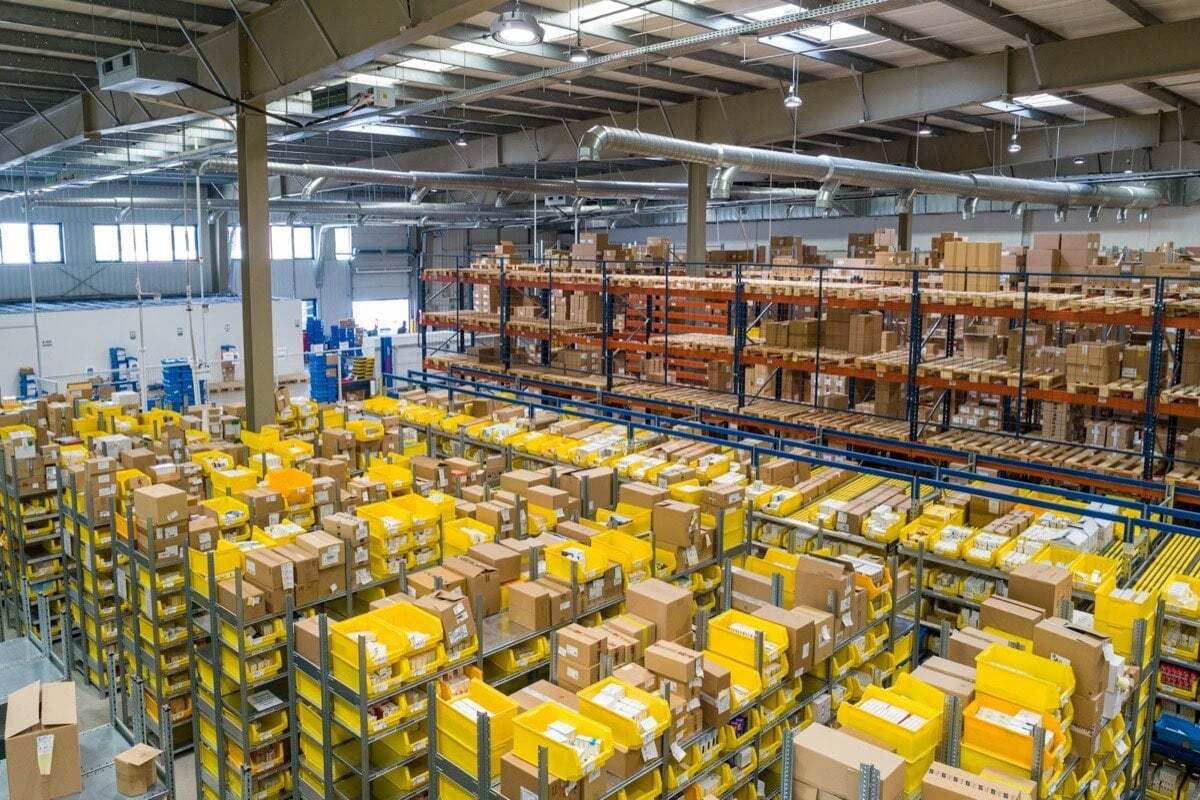
At a CFS, operations typically include the loading and unloading of containers, warehousing, inventory management, and documentation processing. CFS operations are crucial for ensuring that goods are accurately handled, especially when dealing with multiple consignees or mixed cargo.
Customs Clearance at a CFS
Customs clearance is a key function of a container freight station. Goods are inspected by customs officials to ensure compliance with import and export regulations. The CFS port area is often equipped with customs facilities to expedite the clearance process, making it an essential part of the import/export cycle.
Locating a Container Freight Station
Finding a CFS Near You
Finding a container freight station near you can be as simple as searching online or consulting with your logistics provider. Major logistics hubs and ports typically have multiple CFS stations that cater to different types of cargo. For example, STP Container Freight Station is one of the well-known facilities in the U.S. that handles a wide range of international shipments.
CFS at Major Ports
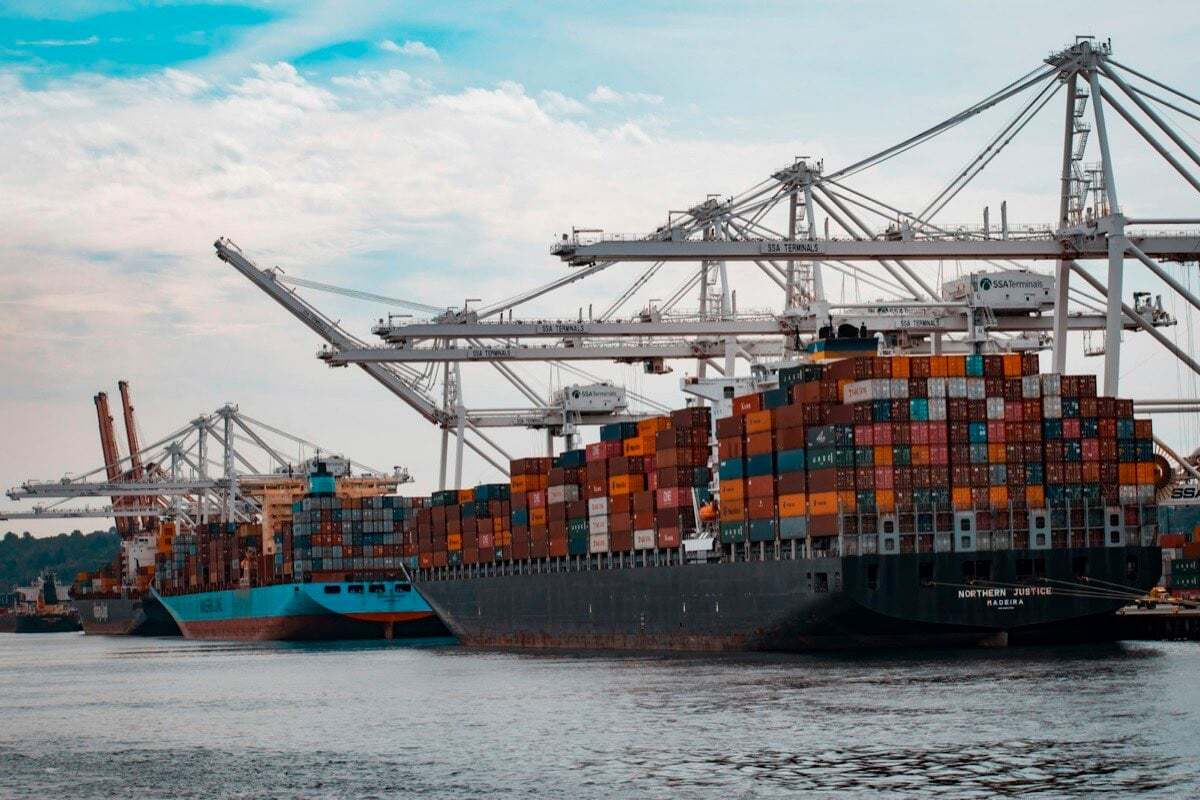
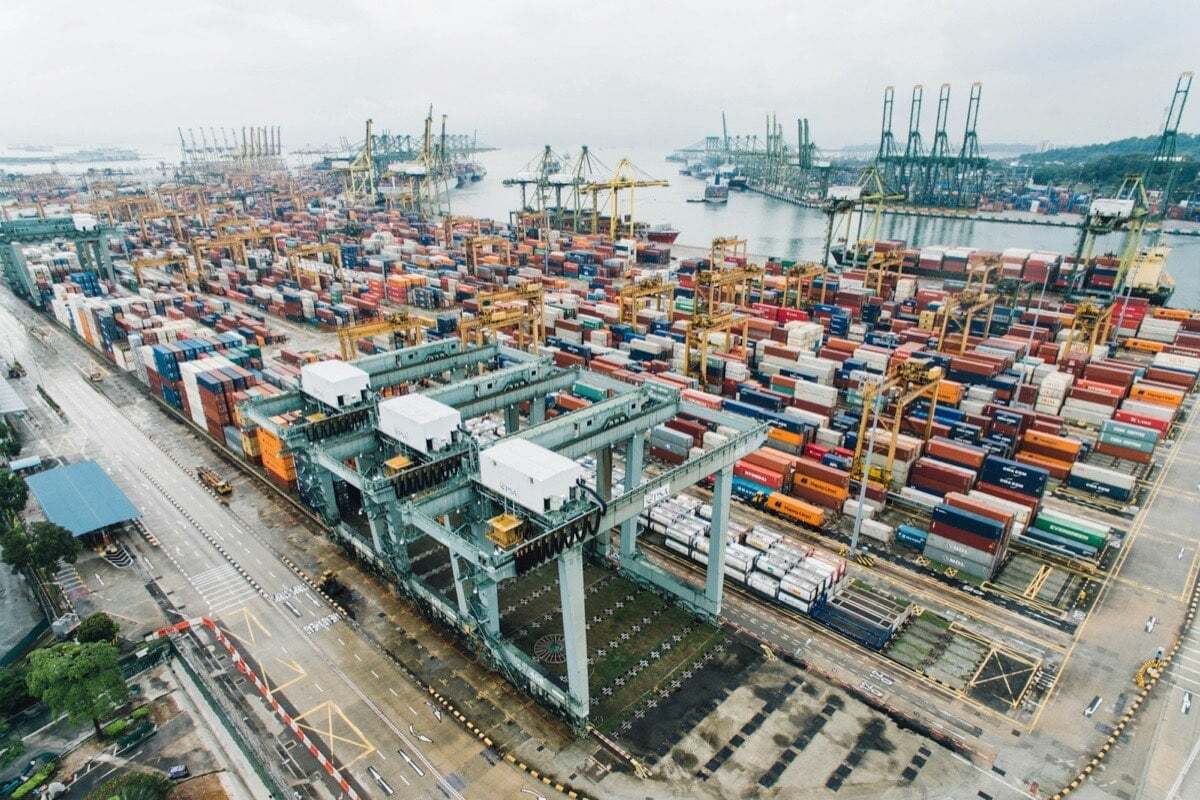
CFS stations are commonly found at or near major ports where international cargo is consolidated or deconsolidated. Examples of major ports with CFS facilities include Los Angeles, New York, Rotterdam, and Singapore. These ports are essential nodes for global trade, and CFS shipping containers are often managed at these stations for further distribution.
Frequently Asked Questions (FAQs)
What Does CFS Mean in Shipping?
CFS (Container Freight Station) in shipping refers to a facility where cargo is consolidated into or deconsolidated from containers. It serves as a hub for handling and storing goods during the import/export process and plays a vital role in LCL and FCL shipping. LCL cargo moves CFS to CFS: it is received and stuffed at the origin CFS, then devanned at the destination CFS, where consignees collect it after customs release.
How Do I Calculate CFS Charges?
CFS charges typically include costs for handling, storage, consolidation or deconsolidation, and customs clearance services. The total cost can vary depending on the type of cargo, the size of the shipment, and the specific services required. You can calculate CFS charges by consulting your freight forwarder or logistics provider. Typical line items are CFS handling billed per cubic meter or per 1,000 kg (whichever is greater), documentation fees and storage once free time expires.

Interworld Freight cargo services


Ready to price your shipment?
