
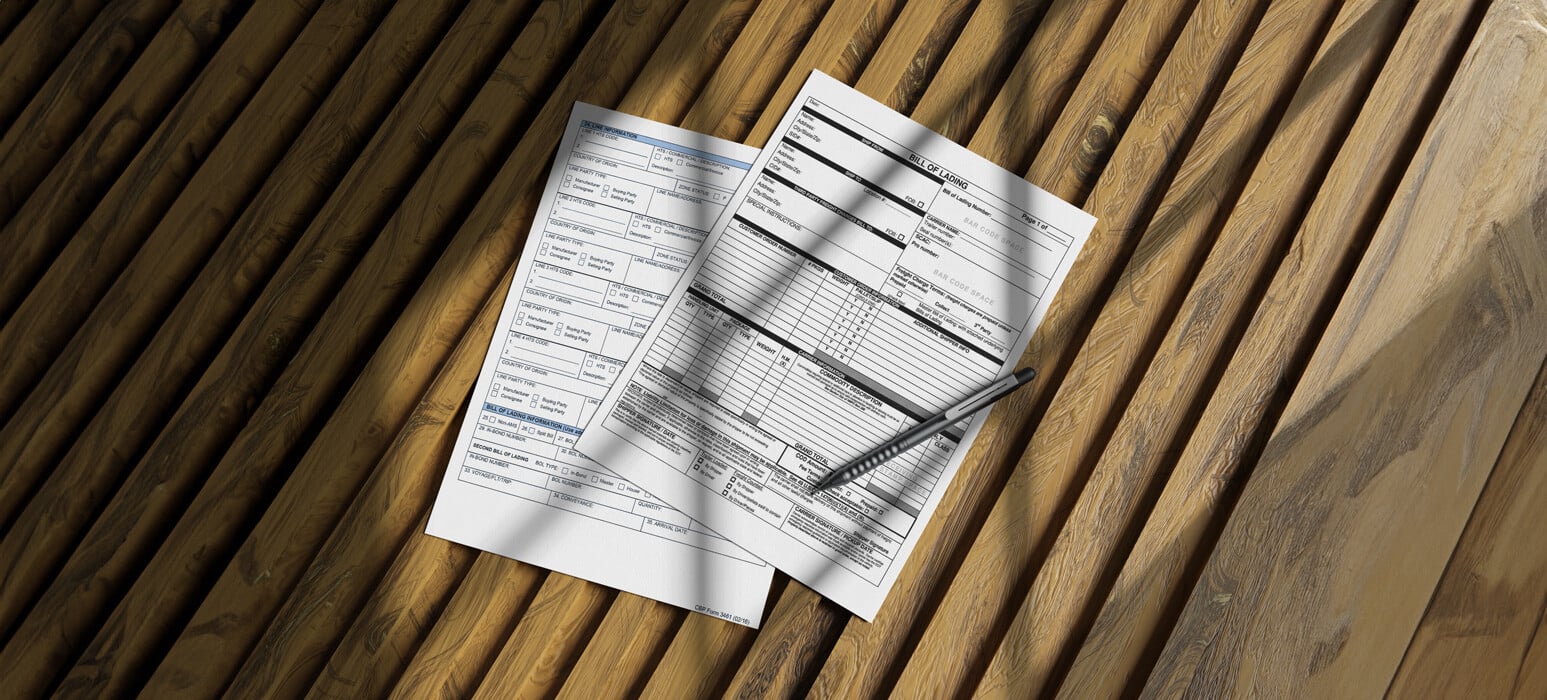
A Bill of Lading (BOL) is a crucial document used in the logistics and shipping industry, acting as a contract between the shipper of goods and the carrier.
Bill of Lading meaning in shipping
In shipping, the Bill of Lading (BOL) serves as a legal document provided by a carrier to a shipper, detailing the type, quantity, and destination of the goods being carried. It also serves as a shipment receipt when the cargo is delivered at the predetermined destination.
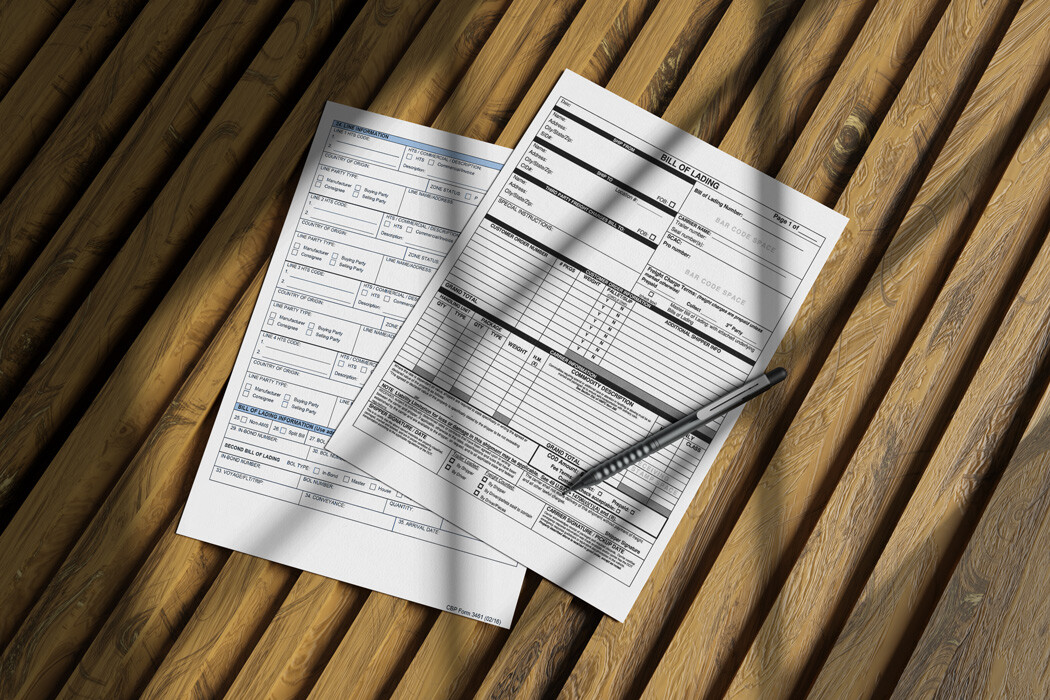
BOL form
The BOL form is a standardized document used globally in the shipping industry. It can be a blank bill of lading, a fillable bill of lading, or a more specific form like a straight bill of lading, depending on the requirements.
BOL functions
The primary functions of a BOL include:
- Serving as evidence of a contract of carriage.
- Acting as a receipt for the goods shipped.
- Operating as a document of title to the goods.
What information is in the bill of lading?
A typical Bill of Lading includes:
- Shipper and consignee details.
- Details of the carrier.
- Description of the goods.
- Quantity of the goods.
- Destination of the goods.
- Specific instructions for handling the cargo.
When is a Bill of Lading issued?
A Bill of Lading is issued by the carrier once all the goods have been loaded onto the shipping vessel and all documentation has been completed and verified.
Why is so important?
The BOL is vital for several reasons:
- It ensures the shipper complies with international shipping laws.
- It protects both the shipper and carrier legally during the transport of goods.
- It facilitates the accurate tracking and management of shipments.
Types of Bill of Lading
-
Straight (or Clean) Bill of Lading
Used for shipments consigned to a specified person and is not negotiable.
-
Order Bill of Lading
Can be transferred by endorsement and delivery.
-
Bearer Bill of Lading
Specifies that delivery shall be made to whoever holds the bill, which makes it highly negotiable.
-
Charter Party Bill of Lading
Issued under a charter party when the vessel is chartered for a trip or time period.
-
Through Bill of Lading
Covers multiple modes of transport from origin to destination.
-
Ocean Bill of Lading
Used for international sea freight.
-
Inland Bill of Lading
Applies to domestic transportation routes.
-
Clean Bill of Lading
Indicates that the goods were received in good condition.
-
Claused Bill of Lading
Indicates that the goods were received in poor condition.
What is a telex release?
A telex release is an electronic message sent by the origin agent to the destination agent, indicating that the shipper has surrendered the original BOL and that the goods can be released to the consignee without presenting the original BOL.
What purpose does the BOL serve?
The BOL serves to confirm the carrier's receipt of the cargo as described and binds the carrier to deliver the cargo in accordance with the terms of the BOL.
Is a Bill of Lading of delivery?
Yes, the Bill of Lading also acts as a document of delivery, evidencing the receipt of the goods by the carrier and specifying the terms under which those goods will be transported and delivered to the consignee.
Interworld Freight cargo services

Ready to price your shipment?
